

More
Checking your session
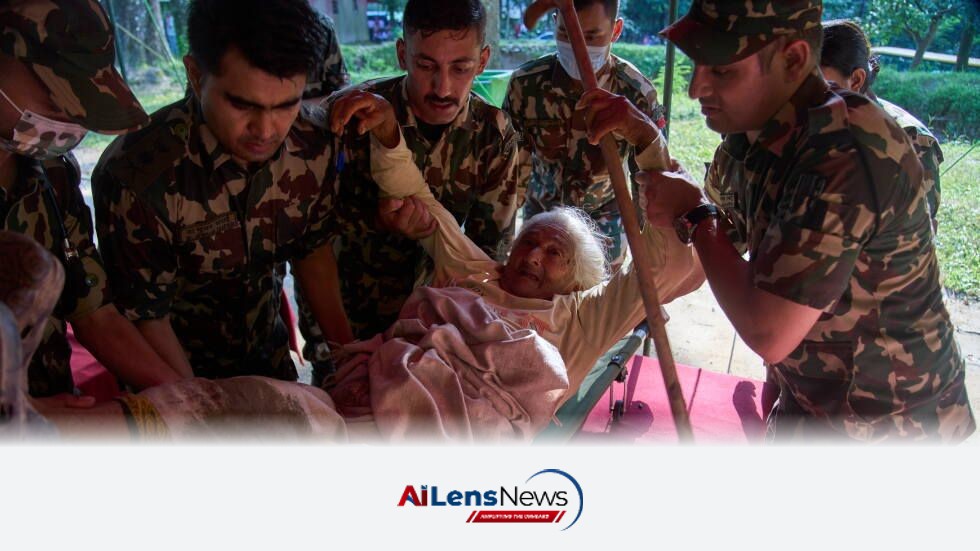



Rescue teams are working tirelessly to save flood survivors trapped in mud as the death toll from the disaster at the Nepal-China border continues to climb.
Washington DC, United States Aug 29, 2026 ALN: Rescue operations are in full swing along the Nepal-China border as teams work to save survivors affected by devastating floods. The situation remains critical, with reports indicating that the death toll has risen significantly as rescuers pull individuals from the mud. The floods have not only resulted in the loss of life but have also severely impacted the local infrastructure, making the rescue and recovery efforts more challenging.
Heavy rainfall has led to severe flooding, causing landslides and trapping many residents in remote areas. The affected regions, often characterized by rugged terrain and limited accessibility, have seen roads washed away and bridges destroyed. Helicopters are being deployed to airlift stranded individuals to safety, while ground teams are tirelessly working to reach those still trapped. The scale of the disaster has overwhelmed local resources, prompting the need for urgent assistance from neighboring regions and international bodies.
Local authorities have reported that the floods have not only caused loss of life but have also displaced thousands, leading to a humanitarian crisis. Emergency shelters are being set up to accommodate those who have lost their homes, with many families now living in makeshift conditions. The influx of displaced individuals has put additional pressure on local communities, which are struggling to provide adequate food, water, and medical supplies to those in need.
Rescue teams, including military personnel, are using heavy machinery to clear debris and access isolated areas. The efforts are complicated by the ongoing adverse weather conditions, which hinder visibility and make ground travel difficult. Rescuers are facing significant challenges, including the risk of further landslides and the instability of the ground in flood-affected areas. Despite these obstacles, the determination of rescue workers remains strong as they continue to search for survivors.
Survivors rescued from the mud are being provided with medical assistance and psychological support as they cope with the trauma of the disaster. Many are reported to be in shock, having witnessed the destruction of their homes and communities. The psychological impact of such disasters can be profound, and mental health professionals are being deployed to help those affected process their experiences and begin the healing process.
The Nepalese government has declared a state of emergency in the affected regions, mobilizing resources to aid in the rescue and recovery efforts. This declaration allows for the rapid deployment of additional support and resources, including food, medical supplies, and personnel. International aid organizations are also stepping in to provide support, offering supplies and assistance to those in need. Various countries have expressed their willingness to assist, and humanitarian organizations are coordinating efforts to ensure that aid reaches the most affected areas.
As the situation evolves, authorities are urging residents in vulnerable areas to remain vigilant and prepared for further evacuations if necessary. The community is coming together, with volunteers assisting in rescue operations and providing food and shelter to those displaced. This spirit of solidarity is crucial in times of crisis, as it fosters a sense of hope and resilience among those affected.
As rescue operations continue, the focus will shift towards recovery and rebuilding efforts. The government is expected to implement long-term strategies to mitigate the impact of future natural disasters, including improved infrastructure and early warning systems. This may involve investing in better drainage systems, reinforcing riverbanks, and creating more robust emergency response protocols to ensure that communities are better prepared for similar events in the future.
The community's resilience is being tested, but the spirit of solidarity among the residents shines through as they support one another during this challenging time. Local leaders and organizations are likely to play a pivotal role in the recovery process, helping to coordinate efforts and ensure that the needs of the most vulnerable populations are met.
In conclusion, the floods at the Nepal-China border have led to a tragic loss of life and widespread devastation. Ongoing rescue efforts are crucial to saving lives and providing support to those affected. As the immediate crisis begins to subside, the focus will inevitably turn to long-term recovery and rebuilding, which will require significant investment and commitment from both the government and international community. The tragedy serves as a stark reminder of the increasing frequency of natural disasters and the urgent need for comprehensive disaster preparedness and response strategies.
To learn more about the latest developments in Culture & Society, stay updated with our exclusive reports and analyses on AILensNews.

Tim Cook announces Apple's donation to aid relief and rebuilding efforts followi…

In a recent address, Iranian President Masoud Pezeshkian called on Muslim countr…

Catastrophic flash floods in a border area of China and Nepal have killed at lea…

President Trump has announced the renaming of Lake Ontario to Lake America, esca…

Rescue operations are underway as catastrophic floods have left over 390 dead an…