

More
Checking your session
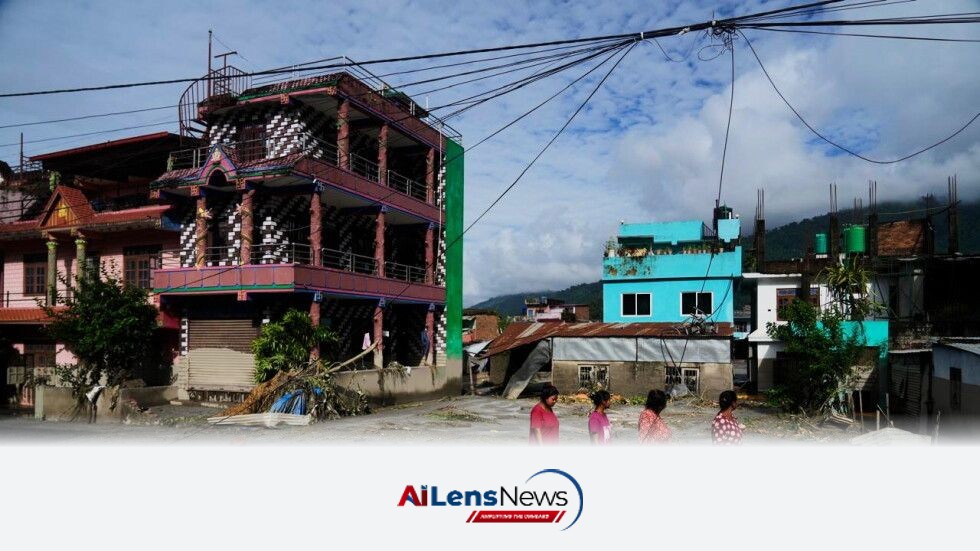



Catastrophic flash floods in a border area of China and Nepal have killed at least 359 and left more than 1,400 people missing as of Thursday.
Washington DC, United States Aug 28, 2026 ALN: In a devastating turn of events, flash floods have struck the border region between Nepal and China, leading to significant loss of life and widespread devastation. As of Thursday, the floods have claimed at least 359 lives, with more than 1,400 individuals reported missing, including people from over 30 countries. This disaster has not only affected local populations but has also raised alarms internationally due to the number of foreign nationals caught in the chaos.
The floods, triggered by heavy rainfall, swept through the Gyirong Port area near the Nepal-China border, causing significant damage. CCTV footage captured the chaotic scene as floodwaters and debris rushed through the port, underscoring the severity of the situation. The rapid onset of the floods caught many residents off guard, and the destruction has left entire neighborhoods submerged. Infrastructure, including roads and bridges, has been severely damaged, complicating rescue efforts and leaving many communities isolated.
Local businesses have also been affected, with many shops and markets underwater, leading to economic repercussions that could last for months or even years. The psychological impact on survivors and families of the missing is profound, as they grapple with uncertainty and loss. The floods have also disrupted essential services, including healthcare and education, further exacerbating the challenges faced by the affected populations.
Rescue teams from various nations are mobilizing to assist in the search and recovery operations. South Korea has dispatched a Rapid Response Team to Nepal to support local efforts, as many South Korean nationals remain unaccounted for. The urgency of the situation has prompted international cooperation in the face of this natural disaster. Countries like India, the United States, and Japan have also offered assistance, sending specialized teams equipped with search and rescue technology, including drones and thermal imaging equipment.
Local authorities in Nepal are working tirelessly to assess the damage and provide aid to affected communities. Reports indicate that entire neighborhoods have been submerged, leaving families displaced and in dire need of assistance. Temporary shelters are being established, but the influx of displaced persons is overwhelming local resources. The need for food, clean water, and medical supplies is critical as health officials warn of potential outbreaks of waterborne diseases in the aftermath of the floods.
The international community is closely monitoring the situation, with several countries offering support. Humanitarian organizations are mobilizing resources to provide immediate relief and long-term recovery assistance. The United Nations has called for a coordinated international response, emphasizing the need for timely aid to prevent further loss of life and suffering.
In addition to immediate rescue efforts, discussions are underway regarding the long-term implications of such disasters in the context of climate change. Experts are raising concerns about the increasing frequency and intensity of extreme weather events in the region, which can be linked to global climate shifts. This incident serves as a stark reminder of the vulnerabilities faced by communities in mountainous regions, where flash floods can occur rapidly and with devastating consequences.
This incident is not isolated; the region has a history of flooding, particularly during the monsoon season. However, the scale of this disaster has raised concerns about climate change and its impact on weather patterns in the area. In recent years, Nepal has experienced a series of natural disasters, including earthquakes and landslides, which have strained its infrastructure and emergency response capabilities. The government has been criticized for its preparedness and response strategies, prompting calls for improved disaster risk management and resilience planning.
The Himalayas, which encompass both Nepal and parts of China, are particularly susceptible to the effects of climate change. Glacial melting and erratic rainfall patterns have been observed, leading to increased risks of flooding and landslides. As scientists continue to study these phenomena, there is a growing consensus that proactive measures must be taken to mitigate the impacts of climate change on vulnerable communities.
As rescue operations continue, the focus remains on locating the missing individuals and providing aid to those affected. The international community stands in solidarity with Nepal and China during this challenging time, highlighting the need for global cooperation in disaster response. The aftermath of this disaster will likely prompt renewed discussions on climate action and the importance of building resilient communities capable of withstanding the increasing threats posed by climate change.
In the coming days and weeks, the situation will continue to evolve as rescue teams work tirelessly to find survivors and provide relief. The events in Nepal and China serve as a poignant reminder of the power of nature and the urgent need for preparedness in the face of natural disasters.
To learn more about the latest developments in Culture & Society, stay updated with our exclusive reports and analyses on AILensNews.

In a recent address, Iranian President Masoud Pezeshkian called on Muslim countr…

President Trump has announced the renaming of Lake Ontario to Lake America, esca…

Rescue operations are underway as catastrophic floods have left over 390 dead an…

Iran and Oman have agreed on a temporary maritime route for ships in the Strait …
The devastating floods in Nepal's Rasuwa district have claimed 165 lives, with h…