

More
Checking your session
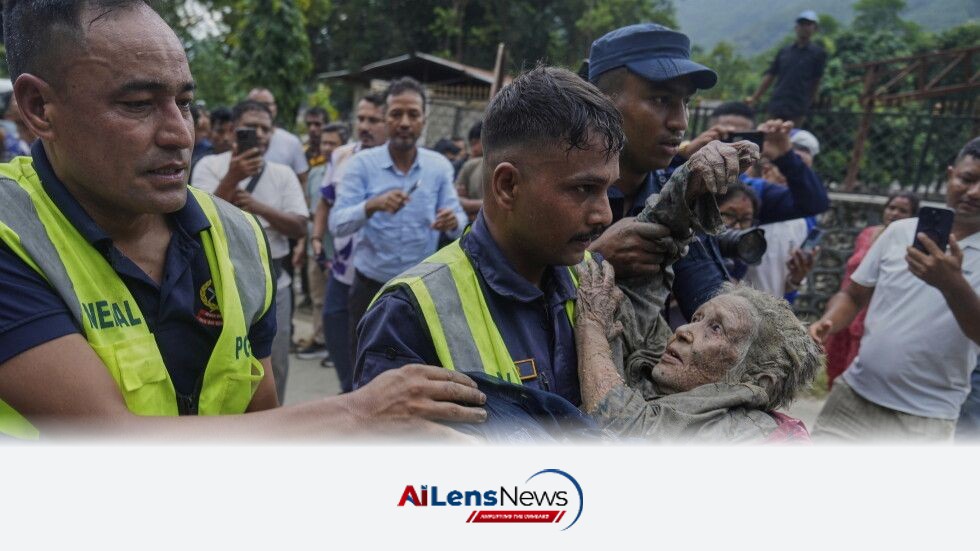



Rescue operations are underway as catastrophic floods have left over 390 dead and more than 1,400 missing in Nepal and Tibet, prompting urgent military assistance.
Washington DC, United States Aug 28, 2026 ALN: In a tragic turn of events, catastrophic floods have struck the border regions of Nepal and Tibet, resulting in the deaths of over 390 individuals and leaving more than 1,400 people missing. The floods, triggered by heavy rainfall, have swept through communities, causing widespread destruction and disruption. This natural disaster has highlighted the vulnerability of these regions to extreme weather events, exacerbated by climate change.
The floods, which began as a result of unusually heavy monsoon rains, have devastated both rural and urban areas, leading to significant loss of life and property. Eyewitness accounts and CCTV footage reveal the sheer force of the floodwaters, which inundated Gyirong Port and other areas, uprooting homes and infrastructure. These visuals paint a harrowing picture of the chaos and destruction that has unfolded, as families have been swept away from their homes and livelihoods.
As the situation unfolds, rescue efforts have intensified. On Wednesday, reports indicated that at least 98 people had been confirmed dead, with hundreds of tourists and workers unaccounted for. The floods have not only caused loss of life but have also brought travel in some regions to a standstill. Major highways and rural roads have been rendered impassable, complicating rescue missions and the delivery of essential supplies.
Rescue teams, including military helicopters, are actively searching for the missing individuals along the Nepal-China border. These teams face numerous challenges, including dangerous conditions, the risk of further flooding, and the potential for landslides in the already unstable terrain. The search operations are not only focused on locating survivors but also on providing immediate medical assistance to those rescued from the floodwaters.
The governments of both Nepal and China are mobilizing resources to address the crisis. Emergency services are working tirelessly to reach affected areas, providing aid and support to those displaced by the floods. The military has been deployed to assist in search and rescue operations, highlighting the severity of the situation. In addition to military support, local governments are coordinating with national agencies to ensure that relief efforts are organized and effective.
Authorities have set up temporary shelters for those who have lost their homes, and emergency medical teams are on standby to treat injuries and prevent the outbreak of waterborne diseases, which can become a significant risk following such disasters. The coordination between local and national agencies is crucial, as the scale of the disaster requires a comprehensive response plan to address both immediate and long-term needs.
The floods have devastated numerous communities, with many residents left homeless and in urgent need of assistance. Local authorities are coordinating with national agencies to provide shelter, food, and medical care to those affected. The psychological toll on survivors is also a growing concern, as families grapple with the loss of loved ones and the destruction of their homes. Community support networks are being activated to help individuals cope with the trauma and loss.
In addition to the immediate human impact, the floods have disrupted local economies. Many businesses, particularly in tourism and agriculture, have been severely affected, leading to concerns about long-term economic recovery in the region. The destruction of infrastructure, including roads, bridges, and communication networks, will require significant investment and time to rebuild, further complicating recovery efforts.
In light of the disaster, international organizations are preparing to offer support. Humanitarian aid is crucial in the coming days as the full extent of the damage becomes clearer. The global community is urged to contribute to relief efforts to help those impacted by this natural disaster. Various NGOs and international aid agencies are mobilizing resources and expertise to provide immediate assistance, including food, water, medical supplies, and shelter materials.
Furthermore, the international response will also focus on long-term recovery and rebuilding efforts. This includes not only physical infrastructure but also the social fabric of communities that have been torn apart by the floods. The collaboration between local, national, and international entities will be essential in ensuring that recovery efforts are sustainable and effective.
As rescue operations continue, the focus remains on locating the missing individuals and providing immediate relief to affected communities. The situation is evolving, and updates will be provided as more information becomes available. Authorities are also assessing the long-term implications of the floods on infrastructure and local economies. The rebuilding process will require careful planning to ensure that communities are better prepared for future disasters.
This disaster serves as a stark reminder of the vulnerabilities faced by communities in the face of climate change and extreme weather events. The need for robust disaster preparedness and response strategies has never been more critical. Policymakers are urged to invest in climate resilience measures, including improved infrastructure, early warning systems, and community education programs that can help mitigate the impact of future flooding events.
To learn more about the latest developments in Culture & Society, stay updated with our exclusive reports and analyses on AILensNews.

In a recent address, Iranian President Masoud Pezeshkian called on Muslim countr…

Catastrophic flash floods in a border area of China and Nepal have killed at lea…

President Trump has announced the renaming of Lake Ontario to Lake America, esca…

Iran and Oman have agreed on a temporary maritime route for ships in the Strait …
The devastating floods in Nepal's Rasuwa district have claimed 165 lives, with h…