

More
Checking your session
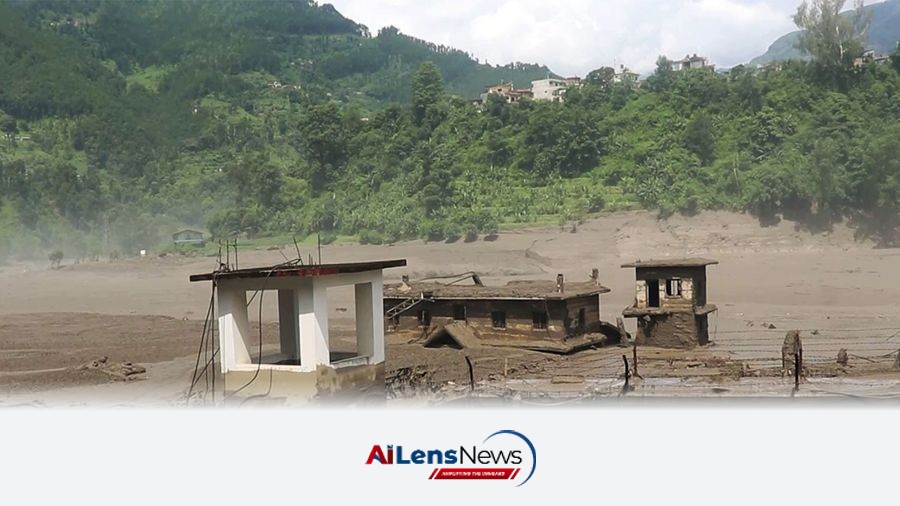



The devastating floods in Nepal's Rasuwa district have claimed 165 lives, with hundreds still unaccounted for as rescue efforts continue.
New Delhi, India Aug 27, 2026 ALN: The death toll in the Bhote Koshi flood in Nepal's Rasuwa district has risen to 165, with bodies recovered from the flood-affected areas so far, according to Nepal's National Disaster Risk Reduction and Management Authority (NDRRMA). This tragic incident has highlighted the vulnerability of communities in the region to natural disasters, particularly in areas prone to glacial lake outburst floods (GLOFs), which have been exacerbated by climate change.
The report stated that identification of the recovered bodies is underway. It added that 44 Nepal Army personnel, 28 Nepal Police personnel, and 13 Armed Police Force (APF) personnel working in the affected area and at various police posts are missing and out of contact. The loss of these personnel underscores the risks faced by those involved in emergency response efforts, as they often operate in hazardous conditions to assist those in need.
According to preliminary data from the Nepal Tourism Board, a total of 579 travellers, including 466 foreigners and 113 Nepalis, are missing from the affected area. The high number of missing individuals raises concerns about the safety of tourists in Nepal, a country known for its trekking routes and natural beauty. The situation has prompted the government and local authorities to initiate comprehensive search and rescue operations to locate these individuals.
The NDRRMA reported that 123 individuals have been rescued by air from Timure in Rasuwa, including 94 Nepalis and 29 foreign nationals. The successful air rescue operations highlight the importance of rapid response capabilities in disaster situations, as timely intervention can save lives and mitigate further loss.
The flood has also caused major infrastructure damage, affecting 35 motorable bridges, 45 suspension bridges, and 40 kilometres of paved roads. The destruction of such critical infrastructure not only hampers immediate rescue efforts but also poses long-term challenges for transportation and access to essential services in the affected areas. Collection of detailed data on human and material losses is ongoing, as authorities work to assess the full extent of the damage and plan for recovery efforts.
According to the report, on Wednesday at 8:40 AM, a massive flood carrying debris occurred in Lhende Khola due to a glacier/ice rock collapse approximately 20 km northeast of the Rasuwagadhi border point on the Nepal-China border. This incident is a stark reminder of the potential dangers posed by glacial melt and the instability of mountain ecosystems, which can lead to sudden and devastating floods.
The flood entered the Bhote Koshi River from the Tibet side and flowed through Rasuwagadhi, Timure, and Syaphru Besi before reaching the Trishuli River. The incident has created a critical situation in the coastal areas of the Trishuli River across Rasuwa, Nuwakot, Dhading, Gorkha, and Chitwan districts. The widespread impact of the flood illustrates the interconnectedness of river systems and the potential for localized disasters to have far-reaching consequences for multiple regions.
Following the disaster, Nepal Army and private sector helicopters have been mobilised to intensify search and rescue operations in Rasuwa and Nuwakot. The deployment of helicopters is crucial in reaching remote areas that are otherwise difficult to access, allowing rescue teams to deliver aid and evacuate those in danger more effectively.
Medical teams, including doctors from Nuwakot District Hospital, Nepal Army, Nepal Police, APF, National Trauma Center, Bir Hospital, and T U Teaching Hospital, have been deployed to provide treatment to the injured. The collaboration among various medical institutions and emergency services is essential to ensure that victims receive timely medical care, which can significantly impact survival rates and recovery outcomes.
Temporary shelters, food, clean water, and medicines have been arranged for flood victims at nearby Nepal Army barracks. The establishment of temporary shelters is a critical component of disaster response, as it provides immediate relief and a safe space for those displaced by the floods. The immediate priorities include rescue and treatment of the injured, searching for missing citizens, ensuring security, relief distribution, collecting detailed damage reports, and restoring damaged infrastructure.
Priority is also being given to the reconstruction of blocked roads, bridges, hydropower facilities, communication networks, and water supply systems, along with the safe relocation of displaced families. The reconstruction efforts will require significant resources and coordination among government agencies, non-governmental organizations, and local communities to ensure a comprehensive recovery process.
This disaster serves as a critical reminder of the increasing frequency and intensity of natural disasters linked to climate change, particularly in mountainous regions like Nepal. As the country continues to face the effects of global warming, including erratic weather patterns and increased glacial melting, it is imperative for the government and stakeholders to invest in disaster preparedness and resilient infrastructure to protect vulnerable populations and mitigate future risks.
To learn more about the latest developments in Culture & Society, stay updated with our exclusive reports and analyses on AILensNews.

Iran and Oman have agreed on a temporary maritime route for ships in the Strait …
Aerial footage shows the catastrophic aftermath of floods in Nepal, with entire …

US President Donald Trump announced the removal of mines in the Strait of Hormuz…

A devastating fire at the Pakistan Institute of Medical Sciences has resulted in…

Reflecting on Dolly Parton's remarkable career, this article explores her contri…