

More
Checking your session
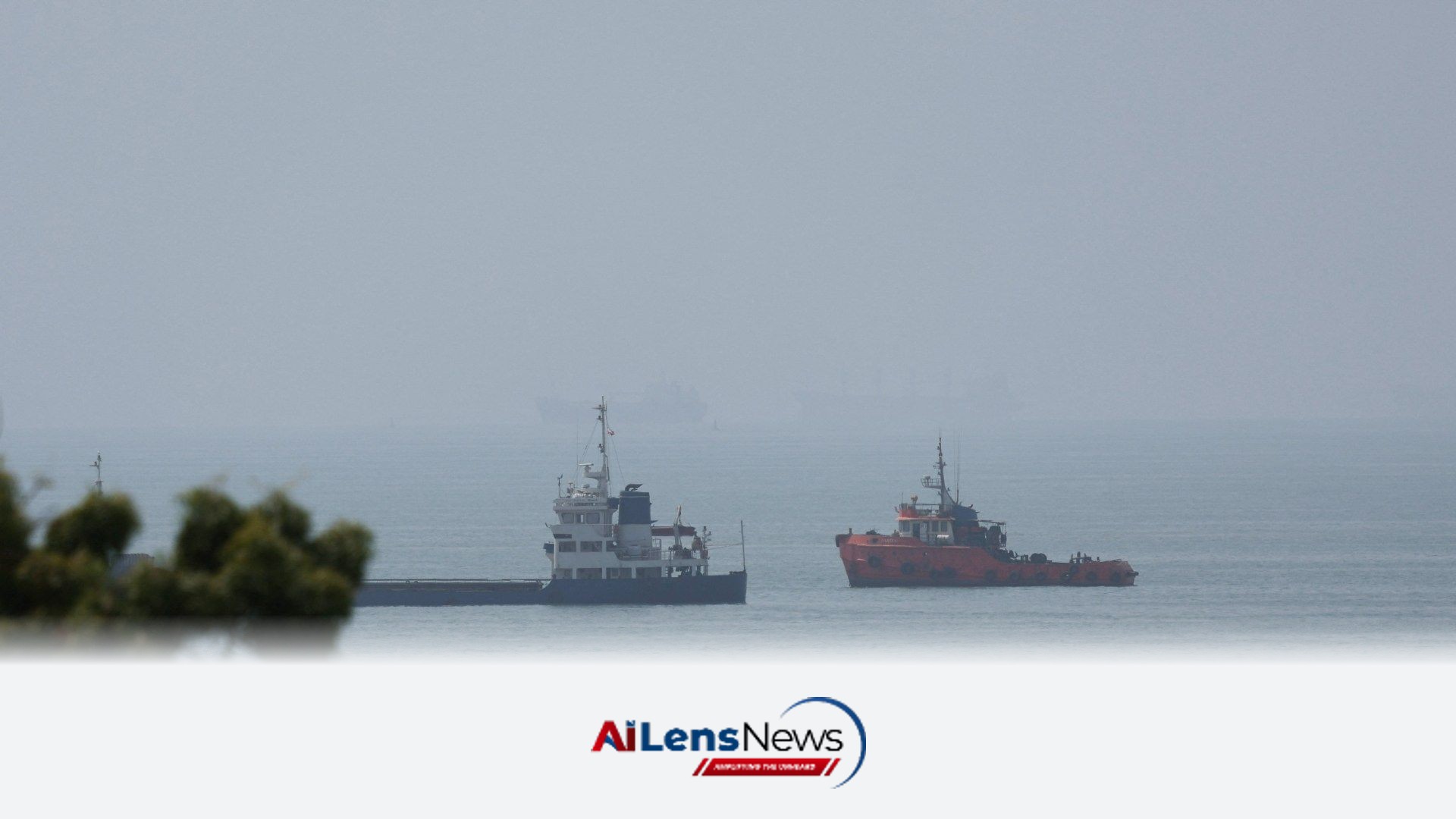



The Iranian Revolutionary Guard Corps asserts its dominance over the Strait of Hormuz as the United States continues its naval blockade in the region.
Doha, Qatar Aug 29, 2026 ALN: The Iranian Revolutionary Guard Corps (IRGC) has declared its decisive control over the strategic Strait of Hormuz, a vital waterway for global oil shipments. This assertion comes as the United States maintains its naval blockade in the region, raising tensions between the two nations. The Strait of Hormuz serves as a critical chokepoint for oil transport, with approximately 20% of the world's oil passing through this narrow passage. The IRGC's announcement signals a significant escalation in the ongoing maritime conflict, as Iran seeks to assert its influence in a region that has been a flashpoint for geopolitical tensions.
The Strait of Hormuz is not only a vital corridor for oil but also a key route for liquefied natural gas (LNG) shipments, making it essential for the energy security of many nations. The geopolitical significance of the strait cannot be overstated, as it connects the Persian Gulf to the Gulf of Oman and subsequently to the Arabian Sea. The narrowness of the strait, which is only about 21 miles wide at its narrowest point, means that any disruption in this passage could have severe repercussions for global energy markets, potentially leading to spikes in oil prices and economic instability worldwide.
The United States has implemented a naval blockade in response to perceived threats from Iran, aiming to secure shipping lanes and protect its allies in the region. This blockade has led to increased military presence in the Gulf, with US naval forces conducting patrols to deter any aggressive actions from Iranian forces. The US has expressed concerns about Iranian actions that could threaten the safety of maritime navigation, citing incidents of harassment and seizures of vessels attributed to the IRGC.
In recent months, there have been multiple incidents involving Iranian vessels and US naval ships, further complicating the already tense situation. Reports indicate that Iranian forces have harassed commercial shipping, leading to heightened alerts among international shipping companies operating in the region. The IRGC's claims of control could potentially lead to confrontations at sea, heightening the risk of military engagement. Such confrontations could escalate quickly, especially given the proximity of US and Iranian naval assets in the confined waters of the Gulf.
The US strategy in the region has been characterized by a show of force, including the deployment of aircraft carriers and additional naval vessels to reinforce its presence. This military buildup is intended to reassure allies, particularly Gulf states like Saudi Arabia and the United Arab Emirates, which rely heavily on the safe passage of oil exports through the strait. However, this increased military presence has also raised the stakes, as any miscalculation or accidental engagement could spiral into a larger conflict.
The international community is closely monitoring the situation, with many nations expressing concern over the potential for conflict. The European Union, along with several Asian nations that depend on oil imports from the Gulf, has called for de-escalation and dialogue between the US and Iran. Analysts suggest that the IRGC's declaration may provoke a stronger response from the US and its allies, who are committed to ensuring the safety of maritime navigation in the region.
Countries such as Japan and South Korea, which are major importers of oil from the Gulf, have emphasized the need for stability in the region. The potential for increased military engagement could lead to disruptions that would affect global oil supplies and prices, prompting these nations to advocate for diplomatic solutions. The situation also places pressure on the United Nations to facilitate discussions aimed at reducing tensions and preventing conflict.
As both sides continue to assert their positions, the future of the Strait of Hormuz remains uncertain. The ongoing standoff highlights the fragile balance of power in the Gulf and the broader implications for global energy security. Iran's assertion of control may embolden it to take more aggressive actions in the region, while the US may feel compelled to respond with increased military readiness. The potential for a miscalculation or an unintended incident at sea remains a significant concern for military analysts.
In conclusion, the IRGC's assertion of control over the Strait of Hormuz amidst the US naval blockade underscores the escalating tensions in the region. The situation warrants careful observation as developments unfold. The stakes are high, not only for the nations directly involved but for the global economy, which could be significantly impacted by any disruption in this critical maritime corridor. As both Iran and the US navigate this complex geopolitical landscape, the potential for conflict looms large, necessitating diplomatic efforts to prevent escalation and ensure the continued flow of energy resources vital to the world economy.
To learn more about the latest developments in Political Controversies, stay updated with our exclusive reports and analyses on AILensNews.

President Trump has officially renamed Lake Ontario as 'Lake America' in a move …

US Central Command has redirected 82 vessels and disabled three to enforce a blo…

Scottish ministers face backlash over proposed public sector reforms that could …

As the war with Iran continues, Gulf states are reshaping their security strateg…

President Trump reveals a plan for the US to take control of a significant porti…