

More
Checking your session
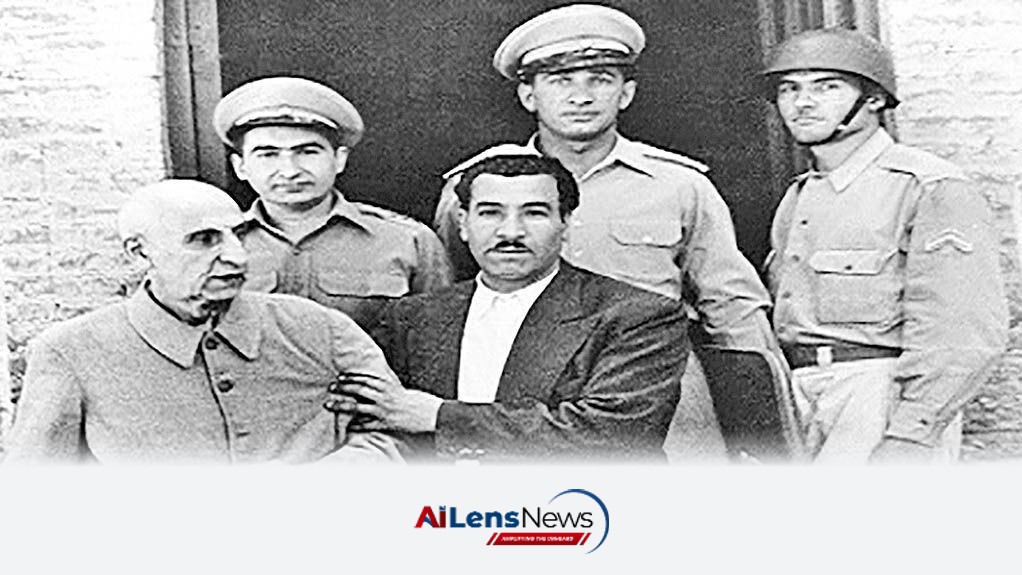



The events of August 19, 1953, significantly shaped Iran's national identity and perceptions of foreign intervention, particularly regarding the overthrow of Prime Minister Mohammad Mosaddegh.
Tehran, Iran Aug 28, 2026 ALN: August 19, 1953, remains a pivotal and deeply contested date in Iran’s modern history. The events surrounding the overthrow of Prime Minister Mohammad Mosaddegh and the subsequent political developments have continued to shape Iranian perceptions of foreign intervention, national sovereignty, and independence.
Mohammad Mosaddegh, who served as Prime Minister from 1951 until his ousting in 1953, was a prominent figure in Iranian politics and a staunch advocate for nationalizing Iran’s oil industry, which had been under British control since the early 20th century. The nationalization movement, which gained momentum after World War II, was seen by many Iranians as a necessary step toward reclaiming the country’s resources and asserting its independence from foreign powers. Mosaddegh's government sought to wrest control of the oil industry from the Anglo-Iranian Oil Company (AIOC), which was a British corporation, and redirect the profits towards national development. This move, however, was met with fierce opposition from both Britain and the United States, who viewed it as a threat to their geopolitical interests in the region.
The coup that resulted in Mosaddegh’s removal was orchestrated through a covert operation known as Operation Ajax, carried out by the US Central Intelligence Agency (CIA) in collaboration with Britain’s MI6. This operation not only involved political maneuvering but also included propaganda campaigns and the mobilization of pro-monarchist forces. The coup was ultimately successful, leading to the reinstatement of Mohammad Reza Pahlavi, the Shah of Iran, who had fled the country during the crisis. The events of that day marked a significant turning point in Iran’s political history, paving the way for the consolidation of the Shah’s authoritarian rule and the establishment of a regime that would last until the 1979 Iranian Revolution.
For many Iranians, the events of 1953 remain a symbol of foreign interference and the struggle to safeguard the country’s political and economic sovereignty. The subsequent decades of the Pahlavi monarchy were marked by growing political repression, including the activities of SAVAK, the monarchy’s intelligence and security organization, which was notorious for its brutal suppression of dissent. The legacy of the coup fostered deep-seated resentment towards Western powers, particularly the United States and the United Kingdom, and contributed to the anti-Western sentiment that would later fuel the Islamic Revolution in 1979.
The impact of the 1953 coup on Iran’s relations with Western powers has been profound and lasting. In the years following the coup, Iran became a key ally of the United States in the Cold War context, receiving military and economic support in exchange for its alignment with Western interests in the region. However, this alliance was deeply unpopular among many Iranians, who viewed the Shah as a puppet of foreign powers. The resentment towards foreign intervention and the perception of a loss of sovereignty have continued to resonate in Iranian political discourse, particularly in discussions over foreign intervention, control of national resources, and the right of nations to determine their own political future.
More than seven decades later, Operation Ajax remains a reference point in debates over Iran’s independence and resistance to external pressure. The narrative surrounding the coup has been woven into the fabric of Iranian identity, reinforcing the conviction that national sovereignty must be protected against attempts by foreign powers to influence Iran’s internal affairs. This belief is often invoked by Iranian leaders to justify their policies, especially in the context of ongoing tensions with the United States and its allies.
The legacy of August 19, 1953, therefore extends beyond the events of a single day. It remains part of a broader historical narrative in Iran concerning sovereignty, independence, and resistance to foreign domination. This narrative is not only significant in shaping domestic policy but also plays a crucial role in Iran's foreign relations and its stance on international issues. The memory of the coup serves as a reminder of the vulnerabilities that nations face in the face of external pressures and the importance of maintaining a strong, independent national identity.
In contemporary Iran, the lessons drawn from the 1953 coup continue to influence public sentiment and political rhetoric. The Iranian government frequently invokes the memory of the coup to rally nationalistic sentiments and to justify its policies against perceived foreign threats. This historical context is essential for understanding Iran's current geopolitical strategies and its relations with other nations, particularly in light of ongoing sanctions and diplomatic tensions with the West.
In conclusion, the 1953 coup remains a significant event in Iran’s history, shaping the nation’s views on sovereignty, foreign intervention, and national identity. The implications of this historical episode continue to resonate in contemporary Iranian society, influencing both domestic politics and international relations. As Iran navigates its place in the global arena, the legacy of August 19, 1953, serves as a powerful reminder of the complexities of national sovereignty and the enduring impact of foreign intervention in shaping the course of a nation's history.
To learn more about the latest developments in Political History & Legacy, stay updated with our exclusive reports and analyses on AILensNews.

The 95th Martyrs’ Day honoring unsung freedom fighter Haipou Jadonang was observ…

In an exclusive interview, former UK Prime Minister Gordon Brown shares insights…

The Supreme Court's recent ruling clarifies the definition of 'industry' in Indi…

Mitsugu Saito, ex-Japanese Ambassador to Iran, explores the misjudgments of U.S.…

Syrian President Ahmed al-Sharaa has appointed Kurdish leader Mazloum Abdi as a …