

More
Checking your session
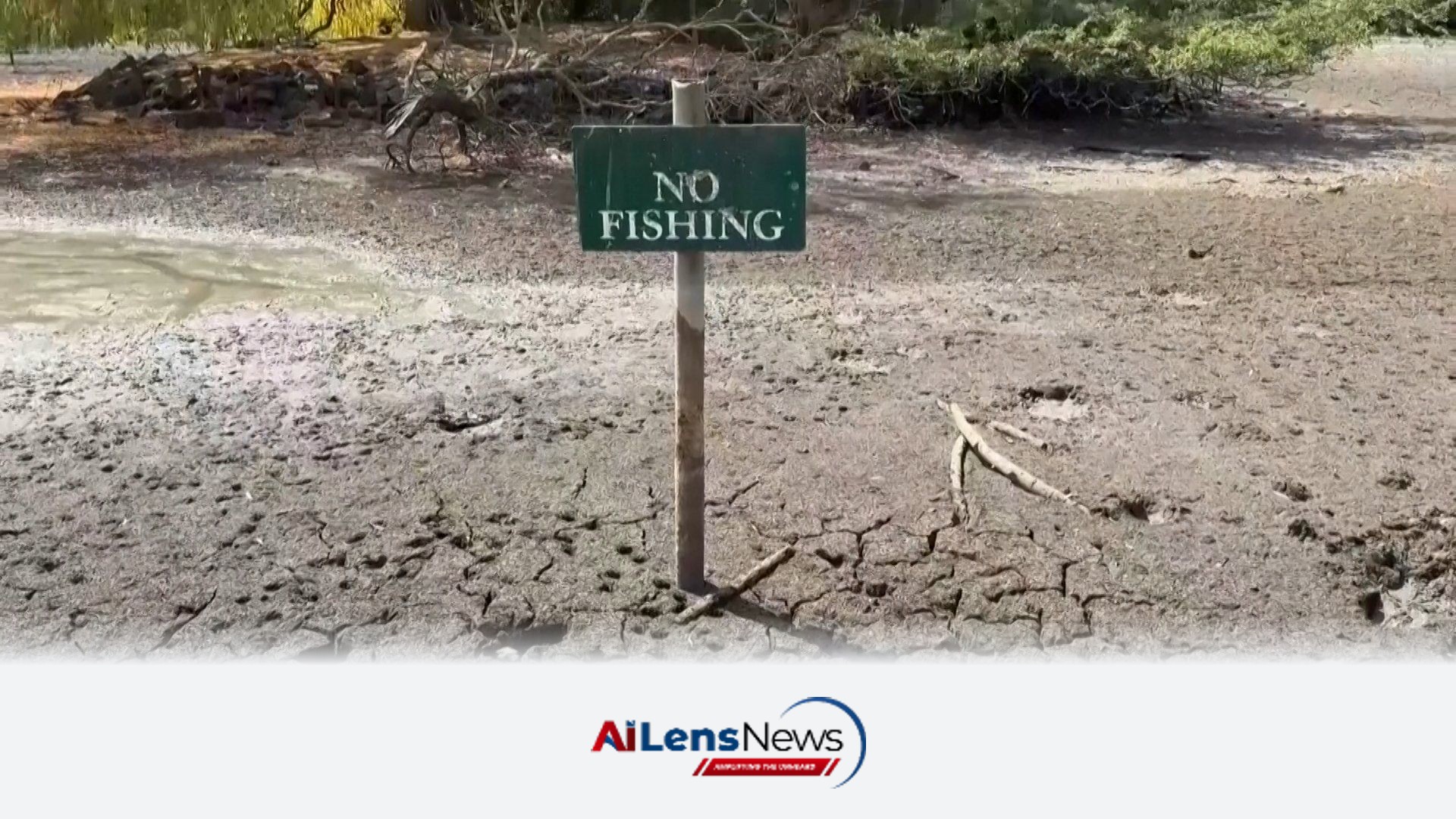



Extreme heat and drought are severely impacting agriculture and water levels across Europe, disrupting essential services and food production.
Doha, Qatar Aug 28, 2026 ALN: Europe is currently grappling with a record drought, as extreme heat continues to dry up rivers and farmland across the continent. This unprecedented weather phenomenon is causing significant disruptions in agriculture, shipping, and even nuclear power plants that depend on river water for cooling. The situation has escalated to alarming levels, prompting governments and organizations to take immediate action to address the multifaceted crisis.
The agricultural sector is facing dire consequences due to the dwindling water supply. Farmers are reporting crop failures and reduced yields as irrigation becomes increasingly challenging. Essential crops, including grains and vegetables, are particularly affected, leading to concerns about food security in the region. For instance, staple grains such as wheat and barley, which are crucial for both human consumption and livestock feed, have seen significant declines in production. This not only threatens the livelihoods of farmers but also poses risks to food prices and availability in local markets.
Furthermore, the drought is exacerbating existing challenges in the agricultural sector, such as rising input costs and supply chain disruptions. Farmers are faced with the difficult decision of whether to invest in irrigation technologies or to reduce their cultivated areas, which can have long-term implications for agricultural productivity and rural economies.
Low water levels in major rivers are also impacting shipping routes, which are vital for transporting goods across Europe. Barges and cargo ships are struggling to navigate shallow waters, leading to delays and increased costs for businesses reliant on these transport methods. The Rhine River, one of Europe’s key waterways, has reported critically low levels, affecting the transport of goods such as coal, oil, and agricultural products. This disruption not only impacts the shipping industry but also has a cascading effect on supply chains, leading to potential shortages of essential goods.
As shipping costs rise due to increased fuel consumption and the need for additional logistical planning, businesses may pass these costs onto consumers, further straining household budgets. The economic impact of the drought is expected to ripple through various sectors, highlighting the interconnectedness of Europe’s economy.
In addition to agriculture and shipping, nuclear power plants that utilize river water for cooling are facing operational challenges. The reduced water levels threaten the plants' ability to function safely, raising alarms about potential energy shortages in the coming months. Countries that rely heavily on nuclear energy, such as France and Germany, may need to reconsider their energy strategies, particularly during peak demand periods in the summer.
Energy experts are warning that if the drought persists, it could lead to increased reliance on fossil fuels, which contradicts Europe’s goals for reducing carbon emissions and transitioning to renewable energy sources. This situation underscores the need for a diversified energy portfolio that can withstand the impacts of climate change and extreme weather events.
This drought is not just a short-term crisis; it highlights the growing impact of climate change on Europe’s environment and economy. Experts warn that without significant changes in water management and climate policies, such extreme weather events may become more frequent. The current drought serves as a wake-up call for policymakers to implement more sustainable water management practices and invest in infrastructure that can better cope with climate variability.
Moreover, the implications of this drought extend beyond immediate economic concerns. Ecosystems are also suffering, with aquatic habitats facing degradation due to low water levels and increased temperatures. The decline in water quality can have lasting effects on biodiversity, further complicating conservation efforts.
Local communities are mobilizing to address the crisis, implementing water conservation measures and seeking assistance from government authorities. Public awareness campaigns are being launched to educate citizens about the importance of water conservation during this critical time. Initiatives such as rainwater harvesting, the promotion of drought-resistant crops, and community gardens are being encouraged to foster resilience among local populations.
In addition, some regions are exploring innovative solutions such as desalination and water recycling to supplement their water supply. These strategies, while potentially effective, require significant investment and planning, highlighting the importance of collaborative efforts between governments, NGOs, and the private sector.
As Europe continues to face this unprecedented drought, the need for sustainable practices and effective climate action has never been more urgent. The situation serves as a stark reminder of the challenges posed by climate change and the importance of collective efforts to mitigate its effects. The current crisis may also catalyze a broader conversation about climate resilience, prompting nations to come together to share knowledge, resources, and strategies for adaptation.
To learn more about the latest developments in Climate Change, stay updated with our exclusive reports and analyses on AILensNews.

A recent report from Kishtwar's District Disaster Management Authority reveals c…

A recent study highlights the severe effects of climate change on food security …

The recent flash flood in Nepal's Rasuwa district serves as a critical alert for…

Recent flash floods and landslides highlight the interconnectedness of the Himal…
World leaders convene for a pivotal climate summit to discuss strategies for com…