

More
Checking your session
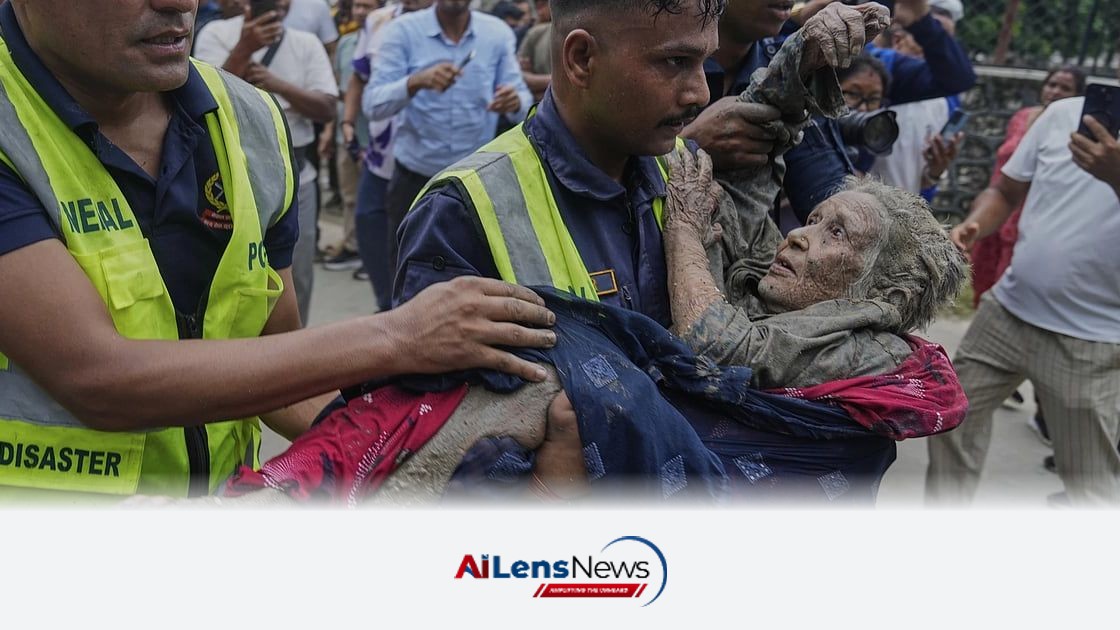



Recent flash floods and landslides highlight the interconnectedness of the Himalayan region, necessitating a unified approach to disaster management.
New Delhi, India Aug 28, 2026 ALN: The Himalayan region, often referred to as the "Third Pole" due to its vast ice reserves, is not only a significant geographical feature but also a crucial ecological zone that impacts millions of lives across South Asia. The recent flash floods and landslides that occurred on the Nepal-Tibet border serve as a stark reminder of the interconnectedness of the region's ecosystems and the urgent need for a coordinated disaster response strategy among the neighboring countries.
On Wednesday, the furious flash floods and landslides that ravaged the border area highlight how an extreme weather event in the Himalayas can have cascading effects on communities situated far beyond the immediate vicinity. The geographical layout of the region means that an ecological disaster in one country can quickly escalate into a humanitarian crisis in another. This reality necessitates a collective approach to disaster management, as the repercussions of such events do not recognize political boundaries.
For India, the implications of the flooding are particularly pressing. The Lhende river, which originates in Tibet, is a critical water source that transforms into the Bhote Koshi in Nepal. This river then continues downstream as the Trishuli and Narayani rivers, eventually merging into the Gandak river in India. The interconnectedness of these river systems means that any disruption in the upper reaches, such as flooding, has the potential to adversely affect communities downstream. Consequently, the management of Himalayan rivers becomes a matter of regional cooperation, irrespective of the political landscape.
Moreover, the recent floods indicate a worrying shift in the patterns of risk associated with Himalayan disasters. Traditionally, flooding events in the region have been linked to heavy rainfall; however, this incident was triggered by a glacier collapse and an ice-rock avalanche, leading to a temporary blockage of the river and a sudden release of water and debris. This deviation from the expected causes of flooding underscores the necessity for disaster warnings in mountainous areas to extend beyond conventional rainfall forecasts. It calls for a reassessment of how risks are monitored and communicated to the affected populations.
To improve disaster preparedness, weather forecasting must be complemented by rigorous monitoring of glaciers, unstable slopes, and other potential sources of sudden flooding. Given the unique topography and climatic conditions of the Himalayas, such events can escalate rapidly, leaving little time for evacuation or emergency response. Climate change exacerbates this risk, as the region is experiencing significant warming and accelerated glacier melt. Understanding these evolving risks is vital; it is no longer sufficient to rely solely on historical patterns, as the climate crisis alters the landscape and hydrology of the region.
Infrastructure development in the Himalayas presents another layer of complexity. While roads, bridges, hydropower plants, and tourism facilities are essential for the economic vitality of Himalayan communities, they must be constructed with a thorough understanding of the region's geological vulnerabilities. Projects need to consider unstable slopes, glacial lakes, changing river flows, and the heightened risk of landslides and floods. A failure to account for these factors can lead to catastrophic consequences, as seen in recent disasters.
Given the transboundary nature of the Himalayan ecosystem, India has a pivotal role to play in fostering cooperation with its neighbors, particularly Nepal and, where feasible, China. Establishing a Himalayan disaster compact could be a significant step forward, facilitating the sharing of satellite and river data, joint monitoring of at-risk areas, and the development of improved early-warning systems. Such a framework would enable countries to anticipate risks, share critical information swiftly, and coordinate responses during emergencies.
The implications of not addressing these challenges are severe. The Himalayan region is home to over 1.5 billion people who rely on its rivers for drinking water, agriculture, and energy. A failure to mitigate the risks associated with climate-induced disasters could lead to widespread displacement, food insecurity, and loss of livelihoods. Furthermore, the ecological integrity of the Himalayas is crucial not just for the local populations but also for the broader environmental health of South Asia and beyond.
In conclusion, the recent ecological crisis in the Himalayan region serves as a clarion call for urgent action. It underscores the necessity of a collaborative approach to disaster management that transcends national borders. As climate change continues to reshape the region, the need for adaptive strategies and resilient infrastructure becomes ever more critical. By prioritizing cooperation, investing in monitoring systems, and fostering a culture of preparedness, countries in the Himalayan region can better safeguard their communities against the mounting threats posed by natural disasters.
To learn more about the latest developments in Climate Change, stay updated with our exclusive reports and analyses on AILensNews.

A recent report from Kishtwar's District Disaster Management Authority reveals c…

A recent study highlights the severe effects of climate change on food security …

Extreme heat and drought are severely impacting agriculture and water levels acr…

The recent flash flood in Nepal's Rasuwa district serves as a critical alert for…
World leaders convene for a pivotal climate summit to discuss strategies for com…