

More
Checking your session
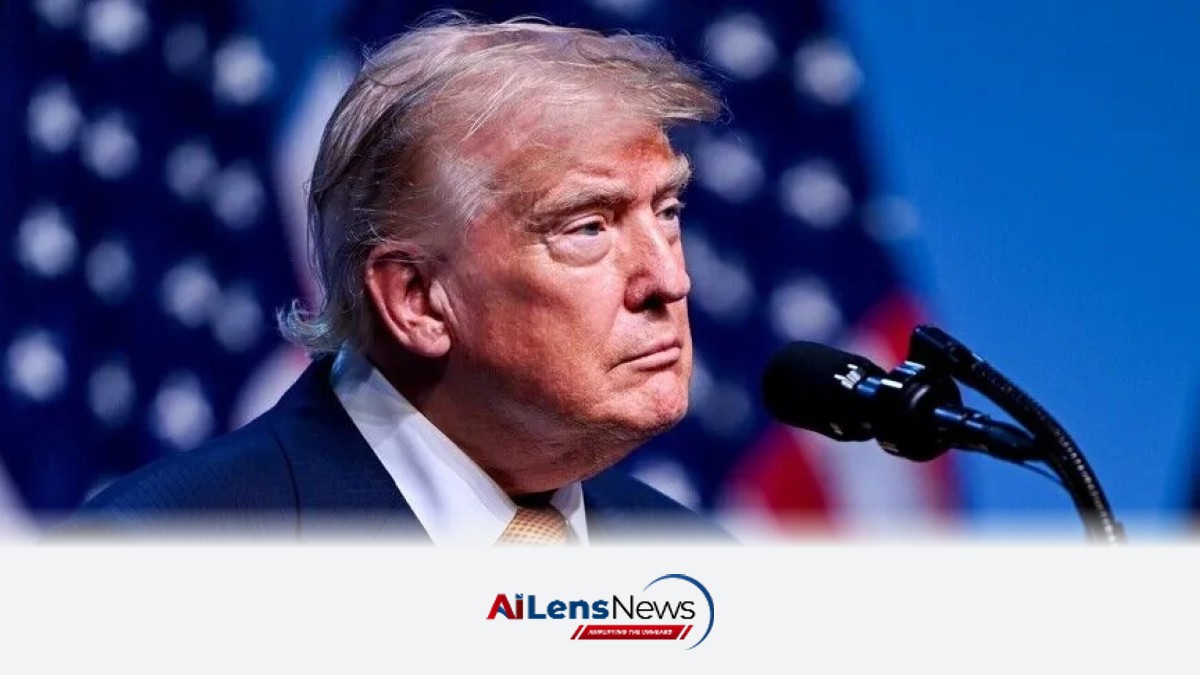



President Trump states Iran seeks an agreement but is unprepared for the 'right deal' as the US escalates economic sanctions.
Riyadh, Saudi Arabia Aug 23, 2026 ALN: US President Donald Trump stated on Friday that he believes Iran desires an agreement with Washington but is still not prepared to accept the “right deal,” as the United States intensifies economic pressure on Tehran.
“They would love to make a deal, but they're not ready to make the right deal, in my opinion,” Trump told reporters before boarding Air Force One for a trip to South Carolina, where he was scheduled to attend a rally. His comments come amid a backdrop of escalating tensions between the United States and Iran, which have been exacerbated by a series of military and economic confrontations over the past several months.
Trump dismissed suggestions that the escalation of economic measures against Tehran indicated that Washington’s military options were limited, asserting that the United States would wait to assess the impact of the measures on Iran’s already strained economy after nearly six months of conflict. This period has seen a significant increase in hostilities, including cyberattacks, military strikes, and retaliatory actions, which have raised concerns about broader regional stability.
“They have no money, they have no navy, they have no air force, they are not paying their soldiers, they're not paying their police. They have 350% inflation,” Trump claimed, outlining his views on Iran’s economic and military conditions. These assertions reflect a longstanding narrative from the Trump administration that emphasizes Iran's economic woes as a means to exert pressure and leverage in negotiations. The Iranian economy has indeed faced severe challenges, including the impact of US sanctions that have targeted key sectors such as oil exports, banking, and shipping.
The US administration has argued that these sanctions are designed to curb Iran’s nuclear ambitions and its influence in the region. However, critics of the policy contend that such measures have led to humanitarian crises and increased instability, rather than fostering a conducive environment for diplomatic engagement. The Iranian leadership has consistently maintained that it will not capitulate to what it perceives as coercive tactics from Washington.
The US president also asserted that Washington maintains “complete control” over the area surrounding the Strait of Hormuz, including the strategic waterway and nearby territory in southern Iran. The Strait of Hormuz is a critical chokepoint for global oil shipments, with a significant percentage of the world’s oil supply transiting through this narrow passage. Control over this area is not only vital for economic reasons but also holds strategic military importance, as it allows for the projection of naval power and the safeguarding of shipping lanes.
Despite Trump’s remarks, commercial traffic through the Strait of Hormuz remains sharply below prewar levels amid ongoing security risks and attacks on vessels in regional waters. The UK Maritime Trade Operations reported that traffic through the strait remained about 90% below levels recorded before the conflict. This decline in maritime traffic underscores the significant risks that commercial shipping faces in the region, particularly in light of recent incidents involving attacks on oil tankers and military vessels.
Washington and Tehran signed a memorandum of understanding in June aimed at ending hostilities and restoring shipping through the Strait of Hormuz. However, efforts to implement the agreement later stalled amid disputes over its terms and the future of navigation through the strategic waterway. The stalled negotiations highlight the complexities of US-Iran relations and the challenges of reaching a comprehensive agreement that addresses the myriad of issues at play, including nuclear proliferation, regional security, and economic sanctions.
The conflict began in late February with US-Israeli strikes on Iran. Tehran responded with attacks against targets in Israel and US military bases across the region. This cycle of retaliation has raised fears of a broader conflict that could engulf not only Iran and Israel but also involve other regional players and global powers.
As the situation continues to evolve, the implications of the ongoing tensions are significant. The potential for military escalation remains a constant concern, with analysts warning that miscalculations or unintended incidents could lead to a wider confrontation. Furthermore, the humanitarian impact of the economic sanctions on the Iranian populace raises ethical questions about the efficacy of such measures in achieving diplomatic goals.
In conclusion, President Trump's assertion that Iran is not ready for the “right deal” reflects a broader strategy of economic pressure and military readiness. However, the complexities of the situation, including the economic hardships faced by the Iranian people and the geopolitical ramifications of continued hostilities, suggest that a sustainable resolution will require careful diplomacy and engagement from all parties involved. As the United States navigates this critical juncture, the international community will be watching closely to see how these dynamics unfold and what steps may be taken to avert further conflict in the region.
To learn more about the latest developments in International Politics, stay updated with our exclusive reports and analyses on AILensNews.
Iran welcomes China's rejection of new US sanctions aimed at isolating its econo…
Iran clarifies that its recent agreement with Oman does not imply the reopening …

As the US-Iran conflict continues, the Strait of Hormuz faces significant shippi…

China has condemned the US's latest sanctions against Iran, asserting its commit…

In response to US tariffs, Canada announces counter-tariffs on a range of Americ…