

More
Checking your session
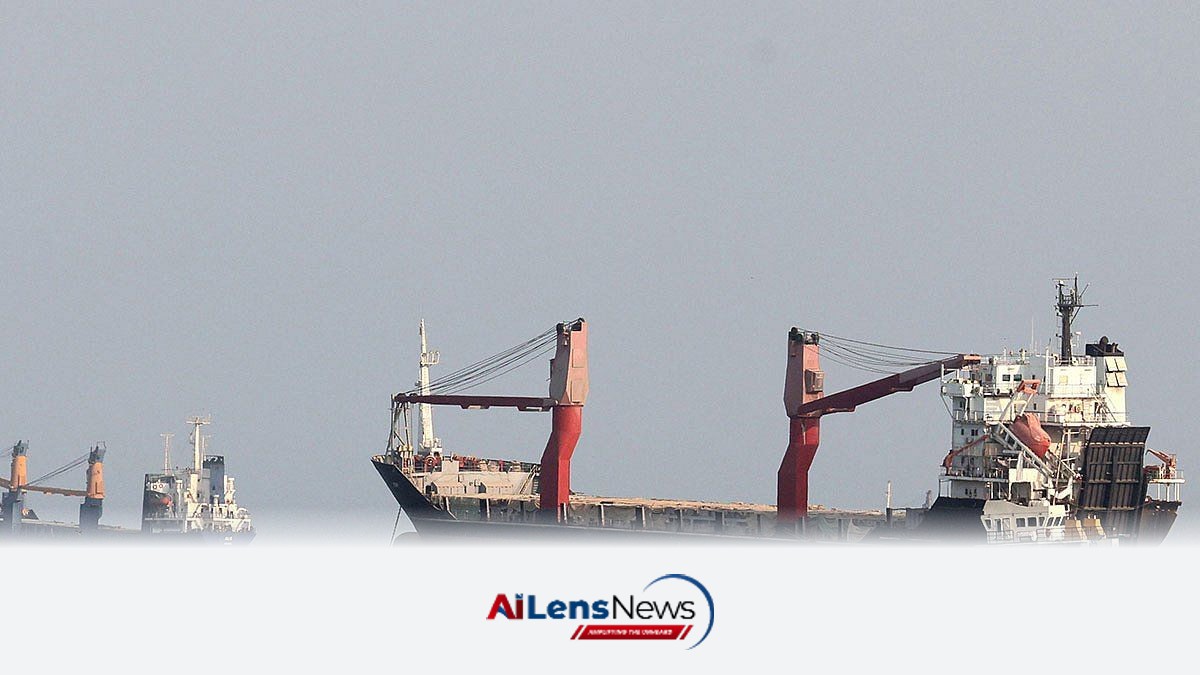



As the US-Iran conflict continues, the Strait of Hormuz faces significant shipping restrictions and economic pressures, affecting regional air travel and energy supplies.
Abu Dhabi, United Arab Emirates Aug 27, 2026 ALN: Dubai: Six months into the war between Iran and the United States and Israel, tensions around the Strait of Hormuz remain a major concern, with shipping restrictions, economic pressure, and disruptions to regional air travel continuing to shape the latest developments.
The conflict began on February 28, 2026, when the United States and Israel launched major strikes against Iran under the US military operation known as Operation Epic Fury. This military operation was initiated in response to a series of provocations attributed to Iran, including alleged attacks on US assets in the region and support for proxy groups that threatened US allies. The escalation of hostilities has drawn attention to the strategic importance of the Strait of Hormuz, a narrow passage that serves as a conduit for approximately 20% of the world's oil supply.
The Strait of Hormuz, a vital waterway for global oil shipments, has seen increased military presence and heightened security measures. The US and its allies have ramped up naval deployments in the region to ensure the safety of commercial shipping and to deter Iranian aggression. In response, Iran has threatened to block the strait, a move that would have severe implications for global oil markets and could trigger a broader conflict.
Shipping lanes have been affected, leading to delays and increased costs for vessels navigating through this critical region. Insurance premiums for shipping companies have surged due to the heightened risk, and many companies are opting for longer routes to avoid potential confrontations. This has resulted in increased shipping times and costs, which are ultimately passed on to consumers around the world.
Economic pressures are mounting as sanctions and military actions disrupt trade routes. The conflict has led to fluctuations in oil prices, impacting global markets and raising concerns about energy security. Following the onset of hostilities, crude oil prices spiked significantly, reflecting fears of supply disruptions. Countries heavily reliant on oil imports are particularly vulnerable to these fluctuations, which can lead to inflationary pressures and economic instability.
Moreover, the sanctions imposed on Iran have exacerbated the economic situation within the country, leading to a decline in its oil exports and further straining its economy. As the Iranian government grapples with these challenges, it has sought to bolster its military capabilities and maintain its influence in the region, particularly through its support for proxy groups in Iraq, Syria, and Lebanon.
Regional air travel has also been significantly impacted, with airlines adjusting routes and schedules to avoid conflict zones. Major airlines have either suspended flights to certain destinations or rerouted them to ensure passenger safety. Travelers are advised to stay informed about the evolving situation as airlines navigate these challenges. The uncertainty surrounding air travel in the region not only affects tourism but also has implications for business travel and international relations.
Additionally, the civil aviation authorities in various countries have issued travel advisories, urging caution for those planning to travel to the Gulf region. This has led to a decline in tourist arrivals, which can have long-term economic repercussions for countries that rely on tourism as a significant source of revenue.
Global leaders are closely monitoring the situation, with calls for diplomatic solutions to de-escalate tensions. The international community remains concerned about the potential for further military escalation and its implications for regional stability. Countries such as Russia and China have expressed their opposition to the US military actions, advocating for dialogue and negotiations as a means to resolve the conflict.
In contrast, US allies in the region, including Saudi Arabia and the United Arab Emirates, have supported the US stance, viewing Iran's actions as a threat to their national security. This divide among global powers complicates the prospects for a unified response to the conflict and highlights the geopolitical complexities of the Middle East.
As the conflict continues, the situation in the Strait of Hormuz will be pivotal in shaping the geopolitical landscape in the Middle East. The potential for a wider conflict remains a significant concern, as any military confrontation in this strategic chokepoint could have far-reaching consequences not only for regional players but also for global economies. The ongoing tensions serve as a reminder of the fragile nature of peace in the region and the need for sustained diplomatic efforts to prevent further escalation.
In conclusion, the ongoing US-Iran conflict, characterized by military actions, economic sanctions, and geopolitical maneuvering, underscores the importance of the Strait of Hormuz as a critical point of contention. As the situation evolves, the international community must remain vigilant and proactive in seeking avenues for de-escalation to ensure stability in this vital region.
To learn more about the latest developments in International Politics, stay updated with our exclusive reports and analyses on AILensNews.

Iran welcomes China's rejection of new US sanctions aimed at isolating its econo…
Iran clarifies that its recent agreement with Oman does not imply the reopening …
China has condemned the US's latest sanctions against Iran, asserting its commit…

In response to US tariffs, Canada announces counter-tariffs on a range of Americ…

A recent report reveals that China's close ties with Cambodia serve its national…