

More
Checking your session
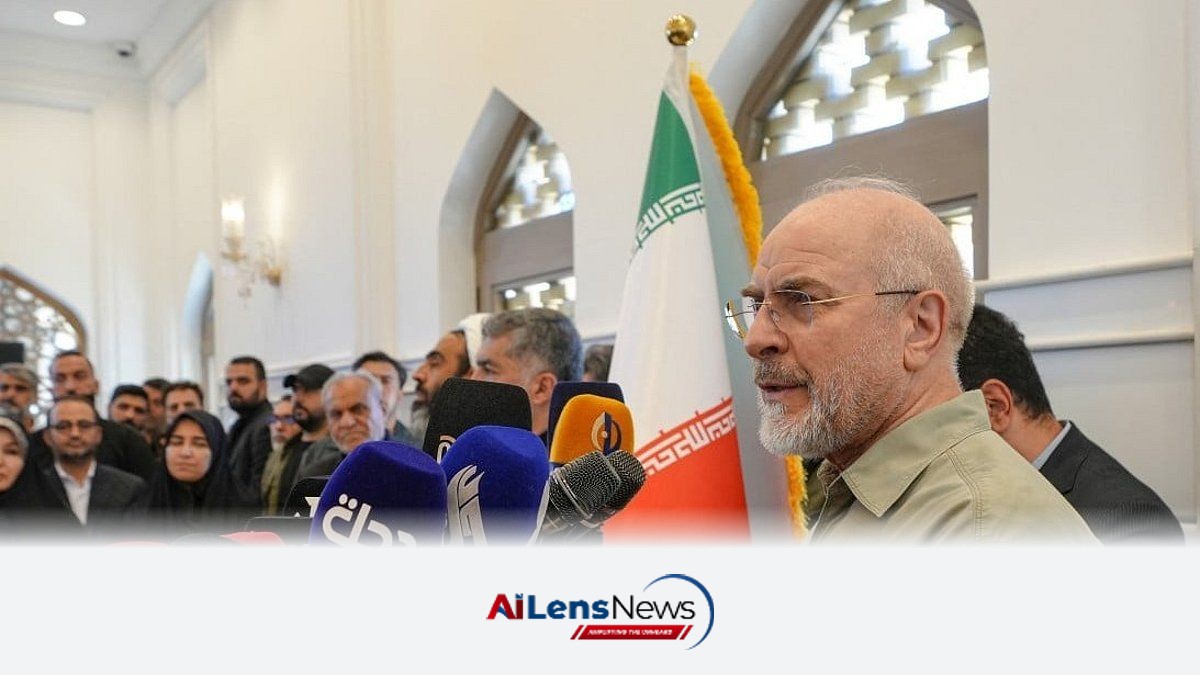



Iran welcomes China's rejection of new US sanctions aimed at isolating its economy, reinforcing their strategic partnership.
Abu Dhabi, United Arab Emirates Aug 27, 2026 ALN: The remarks followed the US Treasury Department’s announcement on August 24 of “Operation Economic Outcast,” unveiled by Treasury Secretary Scott Bessent. This initiative represents a significant escalation in the United States' efforts to curb Iran's economic activities, particularly in sectors that are critical to its revenue generation and military capabilities.
Operation Economic Outcast targets more than 60 entities, individuals, and vessels linked to Iran’s oil smuggling, nuclear and missile programs, cyber operations, and related networks. The breadth of this campaign underscores the US government's commitment to imposing stringent measures against Iran, particularly in light of ongoing concerns over its nuclear ambitions and regional activities, which are viewed as destabilizing by the US and its allies.
The sanctions are designed to expand secondary sanctions risks in various sectors, including digital assets, technology, gold, aviation, and shipping. This multifaceted approach aims to further isolate Iran economically and pressure its trading partners, particularly by dissuading them from engaging in business with Iranian entities. The implications of these measures are significant, as they not only target Iran directly but also seek to create a chilling effect on other countries that might consider bolstering their economic ties with Tehran.
China, as Iran’s largest oil buyer and a key economic partner under a 25-year comprehensive strategic partnership agreement signed in 2021, has rejected the measures imposed by the United States. A Chinese Foreign Ministry spokesperson stated that Beijing is “firmly against sanctions that have no basis in international law or UN Security Council mandate,” describing them as economic warfare that fuels tensions and disrupts global order. This statement reflects China's longstanding position against unilateral sanctions, particularly those imposed by the US, which it views as an infringement on its sovereignty and an obstacle to international trade.
China's commitment to maintaining its relationship with Iran is further demonstrated by its assertion that cooperation with Tehran complies with international law. The Chinese government has pledged to take “all necessary measures” to protect its rights and interests in the face of US sanctions. This stance is indicative of China's broader strategy to strengthen ties with countries that are at odds with the US, thereby positioning itself as a counterbalance to American influence in the region.
US officials and supporters of the sanctions have described the pressure as increasingly effective in constraining Iran’s economy, pointing to a range of economic indicators that suggest a downturn in Iranian economic activity. However, critics of the sanctions have questioned the practical enforceability of secondary sanctions against major partners like China. The reality is that China’s economic clout and its strategic interests in the region provide it with leverage to resist US pressure, complicating the effectiveness of American sanctions.
The geopolitical dynamics surrounding Iran and its relationships with global powers are further complicated by the role of key Iranian political figures. Ghalibaf, who serves as Speaker of Iran’s Parliament (Majlis) and Iran’s special envoy for China affairs, has seen his role elevated to deepen strategic and economic ties with Beijing. His background as a veteran politician with connections to the Islamic Revolutionary Guard Corps (IRGC) and previous positions as a police chief and Tehran mayor highlight his influence in shaping Iran's domestic and foreign policy.
Ghalibaf’s involvement as a negotiator in recent talks with the United States also underscores the complexity of Iran's diplomatic landscape. While the US seeks to isolate Iran economically, Ghalibaf's efforts to strengthen ties with China reflect a strategic pivot towards alternative partnerships. This shift is particularly relevant as Iran faces increasing pressure from the West, and it indicates a broader trend of non-Western nations forming alliances to counterbalance US dominance in global affairs.
The implications of these developments extend beyond Iran and China, affecting regional stability and global energy markets. As Iran continues to seek economic support from China, it may further entrench its position in the region, potentially leading to increased tensions with neighboring countries and the West. The intertwining of economic sanctions, international diplomacy, and strategic partnerships illustrates the complexities of modern geopolitics, where nations navigate a landscape shaped by competing interests and historical grievances.
In conclusion, the ongoing tensions between the US and Iran, exacerbated by the recent sanctions, highlight the challenges of enforcing economic measures in an interconnected global economy. As China continues to assert its role as a key ally for Iran, the implications for international relations, regional stability, and global economic systems are profound, warranting close observation and analysis in the coming months.
To learn more about the latest developments in International Politics, stay updated with our exclusive reports and analyses on AILensNews.
Iran clarifies that its recent agreement with Oman does not imply the reopening …
As the US-Iran conflict continues, the Strait of Hormuz faces significant shippi…
China has condemned the US's latest sanctions against Iran, asserting its commit…
In response to US tariffs, Canada announces counter-tariffs on a range of Americ…
A recent report reveals that China's close ties with Cambodia serve its national…