

More
Checking your session
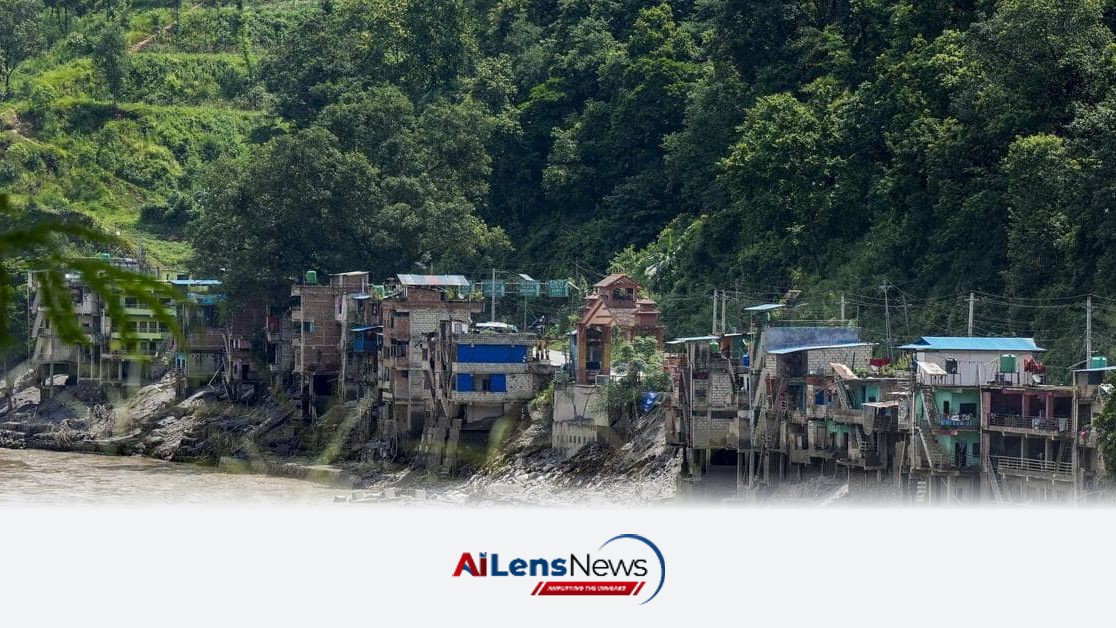



The death toll from the devastating flash floods in central Nepal has reached 626, with nearly 2,000 individuals still unaccounted for as rescue operations continue.
New Delhi, India Aug 29, 2026 ALN: The recent flash floods in central Nepal have resulted in a catastrophic loss of life, with the death toll now standing at 626. This figure is expected to rise as rescue and recovery operations continue, with nearly 2,000 individuals reported missing. The floods, which struck on Wednesday, have devastated communities across several districts, leading to widespread destruction of property and infrastructure.
The National Disaster Risk Reduction and Management Authority (NDRRMA) has been at the forefront of the response efforts, coordinating rescue operations and providing updates on the situation. The agency reported that the bodies of victims have been recovered from eight districts, highlighting the extensive reach of the disaster. Specifically, Chitwan has seen the highest number of recoveries, with 233 bodies found, followed closely by Nawalparasi East with 158, and other districts such as Nuwakot, Gorkha, and Dhading also reporting significant losses.
Flash floods are not uncommon in Nepal, particularly during the monsoon season, which typically spans from June to September. The geography of the region, characterized by steep hills and valleys, makes it particularly susceptible to such natural disasters. Heavy rainfall can lead to rapid water accumulation, resulting in flash floods that can sweep away homes, roads, and even entire communities in a matter of minutes. The current disaster has underscored the urgent need for improved disaster preparedness and response mechanisms in the country.
In addition to the tragic loss of life, the flash floods have caused significant damage to critical infrastructure. Roads and bridges have been destroyed, complicating rescue efforts and hindering access to affected areas. The damage to hydropower infrastructure is particularly concerning, as Nepal relies heavily on hydroelectric power for its energy needs. Disruptions to power supply can have far-reaching implications for the economy and daily life in the region.
Rescue teams have been working tirelessly to locate the missing and provide assistance to those affected by the floods. As of Saturday, nearly 2,500 individuals have been evacuated from the most severely impacted areas, highlighting the ongoing efforts to ensure the safety of residents. However, the NDRRMA has warned that rising water levels at the flood sites pose an increased risk of further flooding, complicating rescue and relief operations.
The humanitarian response to this disaster is multifaceted, involving not only local authorities but also national and international organizations. Aid agencies are mobilizing resources to provide food, shelter, and medical assistance to those displaced by the floods. The scale of the disaster has prompted calls for international aid, as local resources may be insufficient to meet the needs of the affected population.
The implications of these flash floods extend beyond immediate humanitarian concerns. The disaster highlights the vulnerabilities faced by communities in Nepal, particularly those living in high-risk areas. Climate change has exacerbated the frequency and severity of extreme weather events, making it imperative for governments and organizations to address the underlying factors contributing to such disasters. This includes investing in infrastructure improvements, enhancing early warning systems, and promoting sustainable land use practices.
As the situation continues to evolve, authorities remain focused on search and rescue operations, while also beginning to assess the long-term recovery needs of affected communities. The process of rebuilding will require significant resources and coordination among various stakeholders, including government agencies, non-governmental organizations, and local communities.
In the coming days and weeks, the focus will shift from immediate rescue efforts to longer-term recovery and support for those who have lost their homes and livelihoods. The resilience of the affected communities will be put to the test as they navigate the challenges of rebuilding in the aftermath of this devastating disaster. The international community's response will also play a critical role in determining the speed and effectiveness of recovery efforts.
In summary, the flash floods in central Nepal represent a significant humanitarian crisis, with a rising death toll and thousands of individuals still unaccounted for. The disaster serves as a stark reminder of the vulnerabilities faced by communities in the region and the urgent need for comprehensive disaster risk management strategies to mitigate the impacts of future natural disasters.
To learn more about the latest developments in Culture & Society, stay updated with our exclusive reports and analyses on AILensNews.

The devastating flash floods in Nepal have claimed 616 lives, with thousands inj…

Antonio Guterres calls for the United States and Iran to resume negotiations to …

Rescue teams are working tirelessly to save flood survivors trapped in mud as th…

Tim Cook announces Apple's donation to aid relief and rebuilding efforts followi…

In a recent address, Iranian President Masoud Pezeshkian called on Muslim countr…