

More
Checking your session
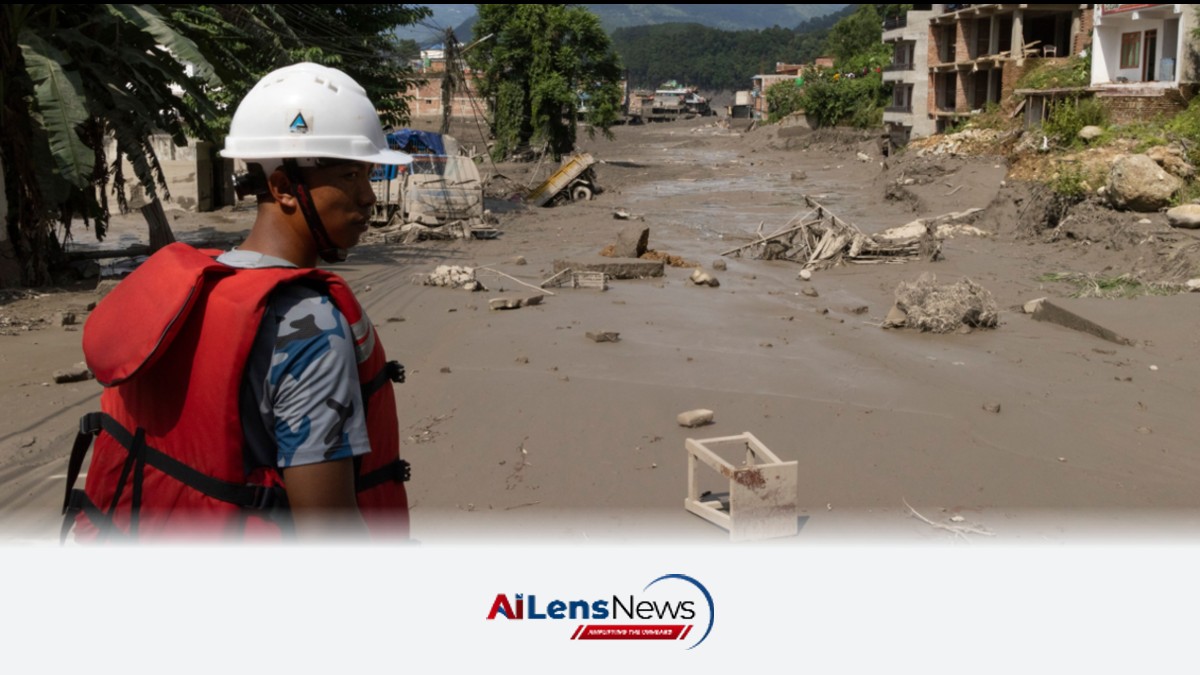



A devastating flash flood near the Nepal-Tibet border has resulted in the disappearance of numerous tourists, including Americans and Canadians, as rescue efforts continue.
New Delhi, India Aug 27, 2026 ALN: Dozens of Americans and Canadians are among hundreds of people who are missing following a deadly flash flood and mudslide near the Nepal-Tibet border, Nepali authorities say.
More than 150 people are so far known to have died, according to the authorities. The devastating impact of the floods has drawn international attention, as families and friends of those missing await news of their loved ones. The situation remains dire, with rescue operations ongoing in challenging conditions.
The US State Department has confirmed that it is aware that Americans were impacted by Wednesday's floods but did not provide specific numbers. This lack of detailed information is likely due to privacy concerns, as officials work to confirm the identities and statuses of those affected. A spokesperson from the State Department stated that the US embassy in Nepal is working closely with local tour agencies and authorities to assist affected Americans, highlighting the collaborative efforts to ensure the safety and well-being of citizens abroad.
In parallel, Canada's foreign office has also expressed its commitment to monitoring the situation closely and is prepared to provide assistance if necessary. The Canadian government is actively engaged in the response, reflecting a broader concern for the safety of its citizens traveling in the region.
According to Nepal police, more than 500 tourists are reported missing, including 466 foreign nationals from 28 different countries. This figure underscores the international nature of the tragedy, as tourists flock to Nepal for its breathtaking landscapes and rich cultural heritage. Among those missing are 54 people from the US, over 100 from India, 33 from the UK, and more than 100 from Nepal itself. The diverse nationalities of the missing persons highlight the global appeal of trekking and tourism in the Himalayan region, which is often seen as a bucket-list destination for adventure seekers.
The US State Department has refrained from providing specific figures or additional details regarding the Americans affected, citing privacy reasons. This cautious approach reflects the sensitive nature of the situation, as families grapple with uncertainty. A further 24 Canadians are also reported missing, according to a spokesperson from the Nepal Tourist Board, adding to the urgency of the rescue efforts.
Canada's Prime Minister Mark Carney has publicly stated that his government is closely following the developments of this crisis. He emphasized, "As rescue efforts continue, Canada stands ready to provide support," a sentiment that resonates with the need for international cooperation in times of disaster. The Prime Minister also urged all Canadians in the region to register with the Registration of Canadians Abroad, a free service designed to help the federal government contact and assist citizens during emergencies abroad.
According to the Registration of Canadians Abroad system, 820 Canadians are currently registered as being in Nepal, while five Canadians are noted as being in the Tibet Autonomous Region of China. However, the office has clarified that these numbers are estimates, as registration is voluntary and may include individuals who have not made concrete travel plans.
The Global Affairs Office of Canada has acknowledged awareness of Canadians affected by the floods, indicating that efforts are underway to reach out to those potentially impacted. As the situation evolves, the focus remains on ensuring the safety of all individuals in the region.
State media in China, which administers Tibet, has reported three confirmed deaths and 265 individuals missing within its borders as a result of the flooding. Footage from CCTV in Tibet captured a powerful wall of water and mud crashing into buildings at a border crossing, illustrating the sheer force of nature that has contributed to this disaster. The scale of the destruction has raised concerns about the preparedness of infrastructure in the face of such extreme weather events.
Initial reports from Nepal had suggested that an earthquake may have triggered the ice avalanche and landslide that led to the floods. However, the US Geological Survey, which specializes in earthquake analysis, has since clarified that further investigation indicates the seismic energy was generated by a landslide alone. This distinction is crucial, as it shifts the focus from earthquake preparedness to the need for robust flood and landslide mitigation strategies in vulnerable areas.
Landslides or avalanches can have various triggers, and one possibility in this case is that excessive water—either from heavy rainfall or rapid melting of ice—may have destabilized the ground or ice, leading to catastrophic failures. The region is particularly susceptible to such events, especially during monsoon season when rainfall is at its peak.
Climate change is increasingly recognized as a significant factor driving faster glacier melt in the Hindu Kush Himalaya region, which poses long-term risks for local communities and ecosystems. While scientists caution that it is too soon to definitively link climate change to this specific event, the broader implications of a warming climate cannot be ignored. The increased frequency and intensity of extreme weather events, including flash floods and landslides, are becoming more prevalent, prompting calls for enhanced disaster preparedness and response strategies.
The flash flooding has swept away entire communities, leading to devastating losses not only in human life but also in infrastructure. Roads and bridges worth more than 15 billion Nepalese rupees (approximately £72.18 million or $98.33 million) have been damaged by the floods, as reported by a government official to BBC Nepali. This destruction further complicates rescue and recovery efforts, as access to affected areas becomes increasingly challenging. The economic implications of such disasters are profound, particularly for a country like Nepal, which is heavily reliant on tourism and agriculture.
The unfolding situation serves as a stark reminder of the vulnerability of mountainous regions to natural disasters and the urgent need for comprehensive disaster risk reduction strategies. As rescue operations continue and the search for the missing persists, the international community remains hopeful for the safe recovery of all those affected by this tragic event.
To learn more about the latest developments in Environment & Climate, stay updated with our exclusive reports and analyses on AILensNews.


Researchers have identified a new grass species, Eremochloa bimaculata, in Assam…

EJM College recently hosted an international academic interaction focused on Him…

A groundbreaking video reveals the elusive giant squid in its natural habitat fo…

The UK faces yellow warnings for thunderstorms and heavy rain, with potential fl…