

More
Checking your session
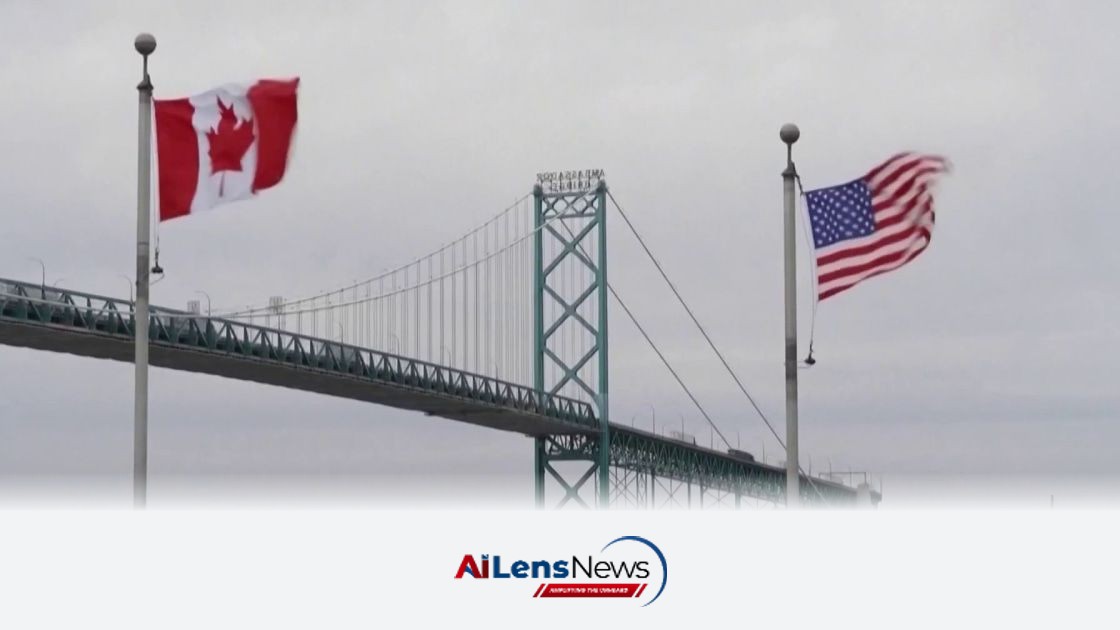



In a controversial move, President Trump has ordered Lake Ontario to be renamed 'Lake America,' reflecting rising trade tensions with Canada.
Washington DC, United States Aug 28, 2026 ALN: In a surprising announcement, President Trump has ordered that Lake Ontario be renamed 'Lake America.' This decision comes at a time of escalating trade tensions between the United States and Canada, raising eyebrows among both citizens and officials. The renaming of such a significant geographical feature adds a layer of complexity to the already intricate relationship between the two neighboring countries.
The proposal to rename the lake has sparked a mix of reactions. Supporters argue that it symbolizes American pride and sovereignty, viewing the name change as a reaffirmation of U.S. identity in an increasingly globalized world. On the other hand, critics see it as an unnecessary provocation in an already fraught relationship with Canada, which could lead to further diplomatic rifts. The timing of this announcement is particularly notable, as it coincides with ongoing negotiations regarding trade agreements and tariffs that have been a source of contention between the two nations.
The order follows a series of tariffs and trade disputes that have characterized U.S.-Canada relations in recent months. Tensions have been heightened since the implementation of tariffs on aluminum and steel imports, which Canada has strongly opposed. These tariffs have not only affected trade but have also led to retaliatory measures from Canada, including tariffs on various U.S. goods. As both nations grapple with economic challenges, the move to rename the lake appears to be part of a broader strategy to assert American identity and interests amidst these disputes.
Lake Ontario, one of the five Great Lakes of North America, serves as a vital waterway and a shared resource between the United States and Canada. It has historically been a symbol of cooperation and mutual benefit, with both countries relying on its waters for commerce, recreation, and environmental sustainability. Thus, the decision to rename it could be perceived as a departure from the collaborative spirit that has defined U.S.-Canada relations for decades.
Public opinion on the renaming is divided. Some residents near the lake have expressed support, viewing it as a patriotic gesture that reinforces national pride. They argue that such symbolic acts are important in times of international uncertainty, suggesting that it could foster a sense of unity among Americans who feel overlooked in the global arena.
Conversely, others have voiced concerns about the implications of such a change, fearing it could further strain diplomatic ties with Canada. Critics argue that the renaming could be seen as an affront to Canadian sovereignty and an attempt to erase the shared history that has developed around the lake. Many local residents, particularly those who rely on tourism and cross-border trade, have mixed feelings about the change, recognizing the potential for economic repercussions.
Experts warn that this move could exacerbate tensions between the two countries. Historically, Lake Ontario has been a shared resource, and altering its name may be perceived as a unilateral action that undermines the cooperative spirit between the U.S. and Canada. The implications of such a decision could extend beyond mere semantics, potentially affecting trade negotiations and diplomatic discussions that are already in a delicate state.
The Great Lakes, including Lake Ontario, are crucial for both nations, providing drinking water, transportation routes, and recreational opportunities. Any action perceived as diminishing the shared nature of these resources could lead to increased calls for protective measures and heightened scrutiny of trade policies on both sides of the border. As negotiations continue over trade agreements, including the United States-Mexico-Canada Agreement (USMCA), this renaming could complicate discussions, making it more challenging to find common ground.
Additionally, the renaming proposal may also ignite discussions about other geographical names and symbols in the U.S. and Canada, particularly those that reflect historical relationships between the two nations. It raises questions about identity, heritage, and the narratives that shape how countries view themselves and each other.
In conclusion, President Trump's order to rename Lake Ontario to 'Lake America' is not just a matter of semantics; it reflects deeper issues in U.S.-Canada relations and raises questions about national identity and diplomacy. As both countries navigate the complexities of trade and cooperation, the ramifications of this decision will likely unfold in the coming months, impacting not only diplomatic ties but also the lives of those who call the Great Lakes region home.
To learn more about the latest developments in Political Controversies, stay updated with our exclusive reports and analyses on AILensNews.

Germany and five other EU nations call for substantial reductions to the Europea…

The USCIRF has voiced opposition to Mohan Bhagwat's visit to the US, highlightin…

Congress President Mallikarjun Kharge has called for a 25-year freeze on Lok Sab…

During his first visit to Northern Ireland, Prime Minister Andy Burnham's remark…

The leaked draft agenda for the SNP conference outlines significant proposals, i…