

More
Checking your session
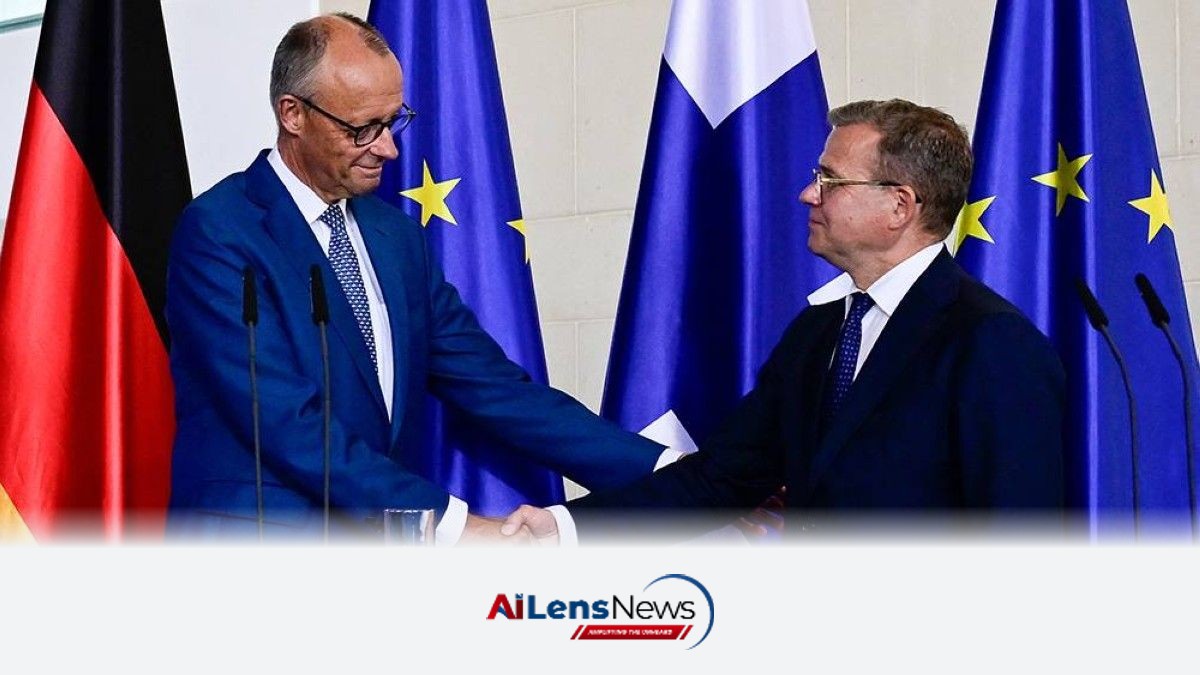



Germany and five other EU nations call for substantial reductions to the European Commission's nearly €2 trillion budget plan, emphasizing the need for fiscal realism.
Kuwait City, Kuwait Aug 28, 2026 ALN: Germany and five other so-called "frugal" European Union (EU) members demanded on Thursday that the European Commission's seven-year budget proposal of nearly €2 trillion ($2.3 trillion) be slashed by "several hundred billion euros". German Chancellor Friedrich Merz hosted the leaders of Austria, Denmark, and Finland for talks in Berlin, which their Dutch and Swedish counterparts joined by video link.
The meeting aimed to send a joint message as the 27-member bloc braces for tough negotiations on its budget for 2028-34. Merz has long pressed the European Commission to cut its record proposal, calling the plan "unaffordable". In a joint statement, the six leaders agreed that the "proposal of nearly two trillion euros needs to be reduced by several hundred billion euros in a balanced manner", and said the Multiannual Financial Framework (MFF) should be guided by the EU's "shared priorities" of security and defense, competitiveness, migration, and sovereignty.
"At a time when virtually all member states are undertaking painful fiscal consolidation, the EU budget cannot be an exception," they said. "We are not stingy," Merz told a press conference, "but the kind of allocations proposed by the Commission simply do not fit the times we live in." He said the six countries represented in the talks "finance around 40 percent of the European budget" and the lion's share of European support for Ukraine. "We want realism and reforms. We will not be able to meet the challenges of the 21st century with a 20th-century budget."
The EU's frugal members traditionally find themselves at odds with countries including Italy, Spain, and Poland, which support a bigger budget. These nations argue that a larger budget is essential to address pressing issues such as climate change, economic recovery post-COVID-19, and the ongoing geopolitical tensions in Eastern Europe. The frugal states, however, prioritize fiscal discipline and argue against what they view as excessive spending, especially in light of their own national budget constraints.
Danish Prime Minister Mette Frederiksen emphasized the need for the EU budget to prioritize European defense and security, stating that it must continue to provide strong support for Ukraine while also ensuring the protection of external borders. "Russia is threatening us and testing us. We have seen hybrid attacks across Europe almost on a daily basis now. We need to rearm ourselves and continue our steadfast support to Ukraine. More weapons, more ammunition. And we also need to secure our borders," she said. This sentiment reflects a growing consensus among EU leaders regarding the need for a robust response to external threats, particularly in light of Russia's military actions in Ukraine.
European Council chief Antonio Costa began a tour of EU capitals this week seeking a compromise before a December deadline. The bloc wants a budget agreed before 2027, when elections in several member states — including France, where the far right is riding high — could complicate any grand bargain. The political landscape in Europe is dynamic, and upcoming elections may shift priorities or alter the balance of power within the EU, making it imperative for leaders to reach an agreement sooner rather than later. Negotiations begin in earnest at a Brussels summit in October, with a likely second meeting in November before a December finale at which leaders will look to seal the deal.
In a broader context, the budget negotiations come at a time when the EU is grappling with multiple crises, including the ongoing fallout from the COVID-19 pandemic, economic instability, and the need for sustainable development. The challenges posed by climate change, migration, and economic disparity among member states further complicate the budgetary discussions. The frugal states argue that any budget must reflect the current economic realities and prioritize essential areas without incurring additional debt.
Speaking in Dublin late last month alongside Irish Prime Minister Micheal Martin, whose country holds the rotating EU presidency, Merz called it "unacceptable" to add 2,500 new jobs at EU institutions and urged a "thorough reduction in bureaucracy". This reflects a broader concern among the frugal states regarding the efficiency of EU institutions and their ability to manage resources effectively. The six leaders reiterated their stance that "new common borrowing is not the solution to our budgetary challenges and is no alternative to structural reforms". This statement underscores their belief that fiscal responsibility and reform are necessary for the long-term sustainability of the EU budget.
The implications of these negotiations extend beyond immediate budgetary concerns. They touch upon the very nature of EU governance and the balance of power among member states. The frugal states' push for budget cuts may lead to tensions within the EU, particularly with nations that prioritize a more expansive budget to address various challenges. The outcome of these negotiations will likely shape the EU's strategic priorities in the coming years, influencing its ability to respond to global challenges and maintain cohesion among its diverse member states.
As the negotiations unfold, the frugal states' insistence on fiscal discipline will be tested against the backdrop of rising security concerns, economic recovery needs, and the EU's commitment to solidarity among its members. The upcoming months will be critical in determining how the EU navigates these complex issues and whether a consensus can be reached that satisfies both the frugal states and those advocating for a more robust budgetary approach.
To learn more about the latest developments in Political Controversies, stay updated with our exclusive reports and analyses on AILensNews.

As the US-Israel war against Iran marks six months, President Trump shifts focus…
The USCIRF has voiced opposition to Mohan Bhagwat's visit to the US, highlightin…
Congress President Mallikarjun Kharge has called for a 25-year freeze on Lok Sab…

During his first visit to Northern Ireland, Prime Minister Andy Burnham's remark…

The leaked draft agenda for the SNP conference outlines significant proposals, i…