

More
Checking your session
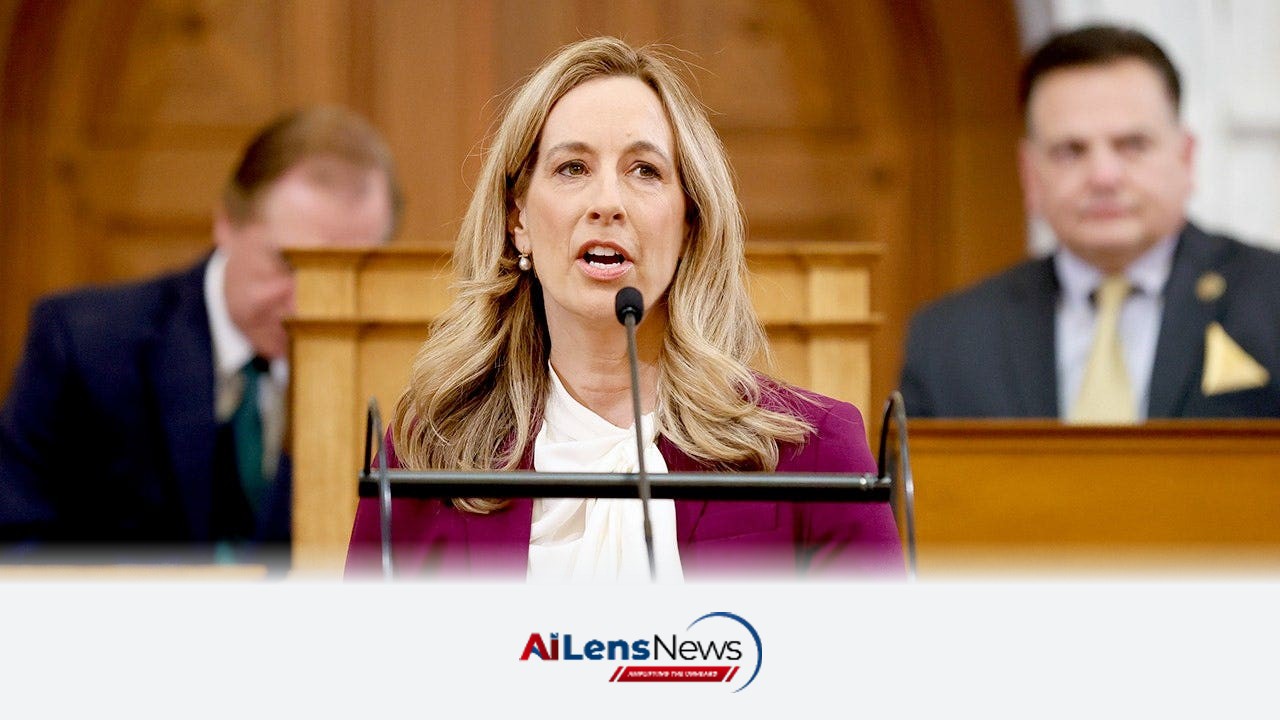



The Republican National Committee is demanding records from New Jersey officials regarding noncitizens on voter rolls, threatening legal action if compliance is not met.
Trenton, United States Aug 28, 2026 ALN: The Republican National Committee (RNC) is intensifying its confrontation with New Jersey election officials regarding the presence of noncitizens on the state's voter rolls. The committee has issued a formal warning, threatening legal action if the state does not comply with its demands for information related to noncitizen registrations.
On Wednesday, the RNC sent violation notices under the National Voter Registration Act to New Jersey's Secretary of State and election officials in six counties: Bergen, Essex, Hudson, Middlesex, Somerset, and Union. The committee is seeking records concerning noncitizen removals, citizenship verification efforts, and other voter roll maintenance activities.
Officials have been given until September 15 to produce the requested records, or they may face litigation. RNC Chairman Joe Gruters stated, "Democrat (Gov.) Mikie Sherrill admitted what the RNC already uncovered through public records requests: noncitizens are on New Jersey's voter rolls. Now, election officials are refusing to turn over records explaining how it happened." He emphasized that voters deserve answers and warned officials to comply with the law.
Recent revelations indicate that approximately 6,600 noncitizens were registered to vote in New Jersey due to a technical error within the state's Motor Vehicle Commission (MVC) system. Reports suggest that as many as 400 of these individuals may have cast ballots. This situation has raised significant concerns among various political groups and voters about the integrity of the electoral process.
The RNC claims that records from Bergen County identified 134 noncitizens who were removed from the voter rolls between January 2023 and August 2026. Of these, 91 registrations were linked to the MVC. This has led to scrutiny of the MVC's processes and how they handle voter registration, especially concerning the verification of citizenship.
Governor Sherrill's administration has acknowledged that a software error at the MVC improperly registered these individuals to vote between June 2023 and June 2024, prior to her taking office. Approximately 5,100 people affected by this error were removed from the voter rolls due to a lack of separate registration or eligibility verification. This incident has sparked discussions on the importance of robust systems for managing voter registration and the potential consequences of technological failures in the electoral process.
In response to the situation, Sherrill has directed county officials to resolve any remaining cases before the upcoming November election. She has also accused the Trump administration of attempting to exert greater federal control over state voter rolls, labeling their efforts as a "phishing expedition" in New Jersey. This accusation reflects broader tensions between state and federal authorities regarding election oversight and the balance of power in managing electoral processes.
The governor's office has stated that its investigation into the MVC error is ongoing. Meanwhile, the RNC, the New Jersey Secretary of State's office, and Sherrill's office have not yet responded to requests for comment regarding the ongoing situation. The lack of communication from these offices adds to the uncertainty surrounding the matter and raises questions about the transparency of the electoral process in New Jersey.
As the deadline approaches, the RNC's actions highlight the contentious nature of voter registration and verification processes in the state, raising questions about the integrity of the electoral system. The situation has drawn attention from both local and national political figures, with implications that could extend beyond New Jersey's borders.
The debate over noncitizen voting is not new and has been a focal point for many Republican-led initiatives across the United States. Proponents of stricter voter ID laws and verification processes argue that these measures are essential for ensuring the integrity of elections, while opponents contend that they can disenfranchise legitimate voters and create unnecessary barriers to participation.
This incident in New Jersey underscores the complexity of managing voter registration systems, particularly in states with large populations and diverse demographics. The interplay between technology, policy, and public perception can significantly impact electoral outcomes and the trust citizens place in their electoral systems.
As New Jersey navigates this challenging situation, the outcome may set precedents for how other states handle similar issues in the future. The resolution of the RNC's demands and the state’s response could either reinforce or challenge existing narratives about voter fraud and the efficacy of current voter registration systems.
In summary, the RNC's legal threats against New Jersey reflect broader national debates regarding voter registration, election integrity, and the role of state versus federal authorities in managing electoral processes. As investigations continue and the November elections approach, the ramifications of this situation will likely resonate throughout the political landscape, influencing not only local governance but also national discussions on electoral reform.
To learn more about the latest developments in Elections, stay updated with our exclusive reports and analyses on AILensNews.

The presidential candidates presented their ideas at the Medef event, addressing…

The SNP leadership faces backlash for excluding key resolutions on independence …

The Ministry of Foreign Affairs has confirmed that the Prime Minister will visit…

Bangladesh's Foreign Minister Khalilur Rahman expressed that the country would c…

Qatar's PM meets Iran's President to address regional tensions and promote dialo…