

More
Checking your session
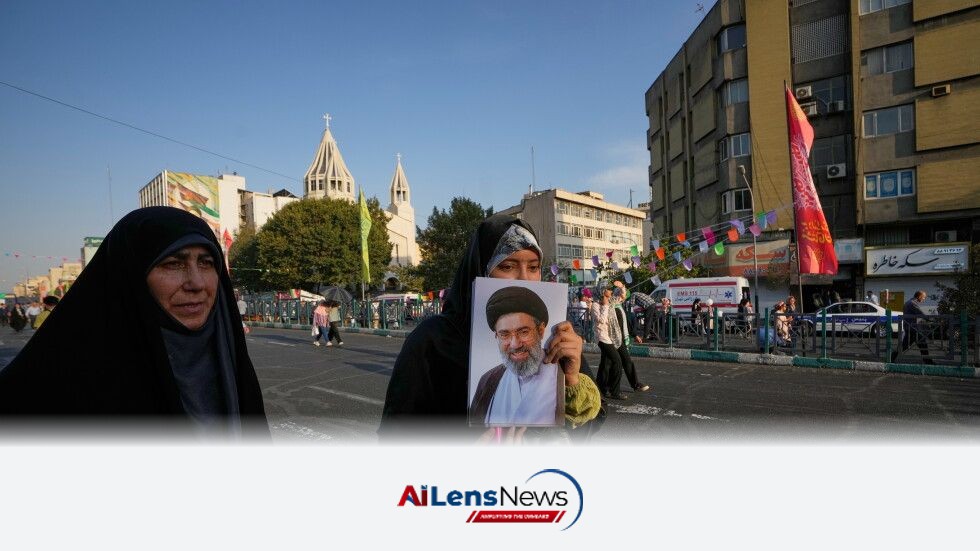



Iran’s Supreme Leader Ali Khamenei has called for solidarity among Muslim nations to confront perceived threats from the US and Israel, emphasizing unity in the face of ongoing regional conflicts.
Washington DC, United States Aug 31, 2026 ALN: In a recent address, Iran's Supreme Leader, Ali Khamenei, has called for a united front among Muslim countries against the United States and Israel. This statement comes amidst escalating tensions in the Middle East, where conflicts have intensified over various geopolitical issues. Khamenei's remarks reflect a broader sentiment prevalent in the region, where many perceive US policies as exacerbating existing conflicts and undermining regional stability.
Khamenei emphasized that the current global landscape necessitates a strong alliance among Muslim nations, urging them to set aside differences to confront common adversaries. He highlighted the importance of solidarity in the face of external pressures, particularly from Western powers. This call for unity is not merely a rhetorical flourish; it resonates deeply within a historical context where divisions among Muslim nations have often been exploited by external actors.
Historically, the Middle East has been marked by a complex interplay of religious, political, and cultural factors that have led to divisions among Muslim nations. The Sunni-Shia divide, for instance, has been a significant source of discord, affecting relations between countries such as Iran and Saudi Arabia. Khamenei's appeal for unity can be seen as an attempt to transcend these divisions, framing the struggle against perceived external threats as a unifying cause.
The Supreme Leader's remarks resonate with ongoing sentiments in the region, where many view US policies as detrimental to peace and stability. The US's historical support for Israel, particularly in the context of the Israeli-Palestinian conflict, has fostered resentment among many Muslims. Khamenei's call for unity is seen as a rallying cry for collective action among Islamic nations, particularly in light of recent conflicts involving Israel and Palestinian territories. The ongoing tensions in Gaza and the West Bank, along with the broader implications of US foreign policy in the region, underscore the urgency of Khamenei's message.
The Middle East has been a focal point of conflict for decades, with various nations embroiled in disputes that often have religious and political undertones. The Syrian civil war, the rise of ISIS, and ongoing tensions between Iran and its regional rivals are just a few examples of the complexities that define the region. Khamenei’s address comes at a time when tensions are particularly high, with military actions and diplomatic standoffs becoming increasingly common. The situation has been further complicated by the involvement of global powers, including Russia and China, which have their own interests in the region.
Analysts suggest that Khamenei’s call for unity could lead to increased collaboration among nations such as Iran, Turkey, and others who share similar views on US foreign policy. This could potentially reshape alliances and influence the dynamics of power in the region. For instance, the recent rapprochement between Iran and Saudi Arabia, facilitated by Chinese mediation, indicates a shift in regional dynamics that could align with Khamenei’s vision of unity.
Furthermore, the implications of such unity extend beyond the Middle East. A more cohesive front among Muslim nations could challenge US influence in the region and alter the balance of power. Countries like Turkey, which has sought to assert its leadership in the Muslim world, may play a crucial role in this potential alliance. The interplay of national interests among these nations could lead to new geopolitical alignments that challenge the status quo.
In response to Khamenei's statements, several leaders from the region have echoed the need for unity. They have pointed out that external interventions often exacerbate existing conflicts, making it imperative for Muslim nations to work together to promote peace and stability. Leaders from countries like Turkey and Qatar have expressed similar sentiments, emphasizing the importance of solidarity in addressing regional challenges.
Moreover, the rise of non-state actors in the region, such as militant groups and political movements, further complicates the landscape. These groups often exploit divisions among nations and can undermine efforts for collective action. Khamenei's appeal for unity may serve as a reminder to both state and non-state actors of the importance of a coordinated response to shared threats.
As the geopolitical landscape continues to evolve, the call for unity among Muslim nations may play a crucial role in determining the future of the Middle East. Observers are keenly watching how these developments unfold and what impact they may have on international relations. The potential for a more unified Muslim bloc could influence negotiations on key issues such as the Israeli-Palestinian conflict, the Syrian civil war, and broader regional security concerns.
In conclusion, Khamenei's appeal for solidarity among Muslims against perceived threats from the US and Israel underscores the ongoing complexities of Middle Eastern politics. The response from other regional leaders will be pivotal in shaping the future trajectory of these alliances. As nations grapple with internal divisions and external pressures, the quest for unity may become increasingly critical in navigating the challenges that lie ahead. The implications of this unity could resonate well beyond the borders of the Middle East, affecting global geopolitical dynamics for years to come.
To learn more about the latest developments in Political Controversies, stay updated with our exclusive reports and analyses on AILensNews.

Michelle O’Neill emphasizes Sinn Féin's commitment to maintaining Stormont, crit…

In a recent seminar, Prof. Shantanu Chakravarty emphasized the importance of the…

Union Minister Kiren Rijiju criticized protesters for desecrating the Indian fla…

Ardent Miller Basaiawmoit expresses disappointment over the Assembly's failure t…

VPP leader Ardent Miller Basaiawmoit emphasizes the need for concrete actions fo…