

More
Checking your session
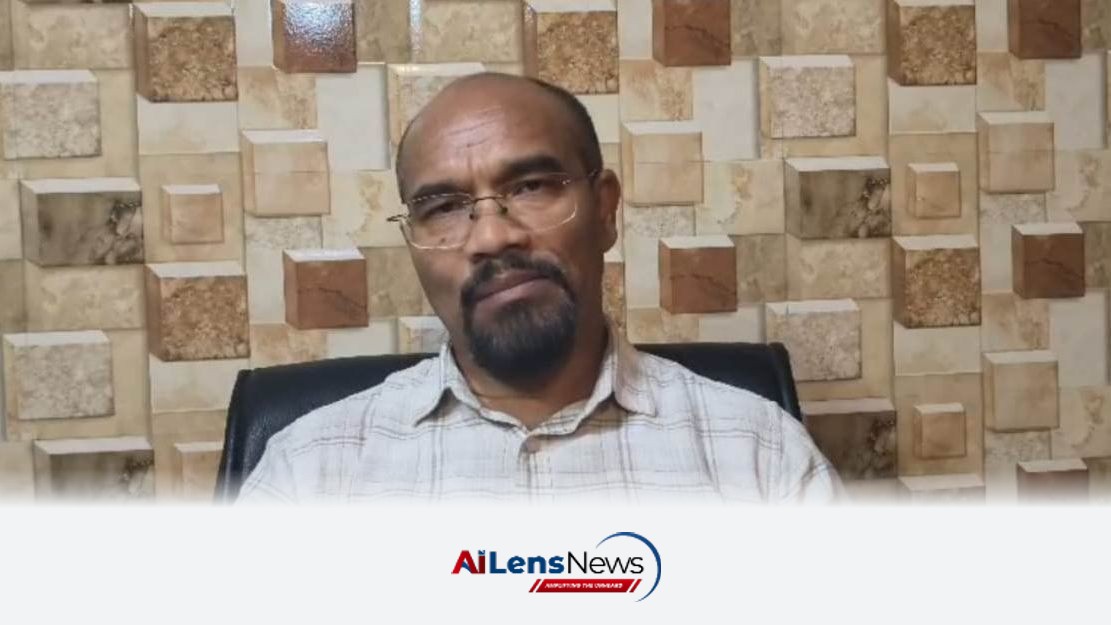



Ardent Miller Basaiawmoit expresses disappointment over the Assembly's failure to discuss the Foreign Contribution (Regulation) Act during the Autumn Session.
Shillong, India Aug 30, 2026 ALN: The Voice of the Party (VPP) President Ardent Miller Basaiawmoit expressed disappointment over the absence of discussion regarding the Foreign Contribution (Regulation) Act (FCRA) in the Autumn Session of the Assembly. He stated that it was a significant loss for the state.
“I brought a discussion through a resolution so that the House could pass a resolution to show that we as a state oppose attempts of the Government of India to bring this Act,” Basaiawmoit remarked. The FCRA, originally enacted in 1976, has undergone various amendments over the years, and its latest iterations have raised concerns among various stakeholders, particularly in states where non-governmental organizations (NGOs) and religious institutions play a significant role in social services.
The FCRA aims to regulate the acceptance and utilization of foreign contributions or donations by certain individuals or associations, ensuring that such funds do not adversely affect the internal security of the country. However, critics argue that the Act has been increasingly used as a tool to curb the activities of NGOs, especially those that work on issues such as human rights, environmental protection, and social justice. This has led to fears that the Act could stifle voices that are critical of government policies.
Basaiawmoit emphasized that the failure to discuss the FCRA means the state could not articulate its stance, and legislators were unable to express their concerns. “As of today, we want clarity on various provisions of the Bill,” he added. The lack of dialogue in the Assembly highlights a broader issue of communication between the state government and its representatives, particularly in matters that directly affect the local population.
The opposition MLA pointed out that states like would be significantly affected by the Act. He noted that missionaries play a crucial role in spreading education and health services in the region. In , many educational institutions and healthcare facilities are run by churches and religious organizations, which rely on foreign funding to operate effectively. The potential restrictions imposed by the FCRA could hinder these organizations' ability to provide essential services, thereby impacting the overall welfare of the community.
Basaiawmoit raised concerns about the ownership of Church properties if the Bill is enacted, questioning who would retain control over these assets once the properties are taken away. This concern touches on the sensitive issue of religious freedom and the autonomy of religious institutions in India. The implications of the FCRA extend beyond financial regulations; they also intersect with the rights of individuals and organizations to operate freely within the framework of their beliefs and missions.
He expressed his belief that the government would introduce a resolution, but due to time constraints, the issue could not be addressed. “I hoped the Church leaders would take up the issue independently,” he said, warning that if stakeholders do not strongly oppose the Act, the Centre may impose it without consideration. This sentiment reflects a growing frustration among local leaders who feel that their voices are not being heard in the larger national discourse.
“The government only listens when people take to the streets; they should remain vigilant and not rely solely on the government,” he concluded. This statement underscores the importance of civic engagement and public discourse in influencing policy decisions. The call for action resonates with various civil society groups and community leaders who have been advocating for a more participatory approach to governance.
In the context of , the FCRA discussion is not just about regulatory compliance but also about preserving the cultural and social fabric of the state. The region has a rich history of community-led initiatives, many of which have been supported by foreign contributions. As such, the implications of the FCRA could resonate deeply within the local populace, affecting not only the operational capabilities of NGOs but also the broader socio-economic landscape.
Furthermore, the political landscape in has been marked by a struggle for autonomy and self-determination, particularly among indigenous communities. The introduction of stringent regulations on foreign funding could be perceived as an encroachment on local governance and autonomy, leading to further tensions between the state and central authorities.
As the Assembly session progresses, the VPP and other opposition parties may continue to push for a more robust debate on the FCRA and its implications. The outcome of this discussion will likely set the tone for future interactions between the state government and the central authorities regarding policies that affect local governance and community welfare.
Ultimately, the situation surrounding the FCRA serves as a reminder of the delicate balance between national security concerns and the need to support local initiatives that contribute to the welfare of society. The voices of local leaders, like Basaiawmoit, will be crucial in shaping the narrative and ensuring that the interests of and its people are adequately represented in the ongoing dialogue with the central government.
To learn more about the latest developments in Political Controversies, stay updated with our exclusive reports and analyses on AILensNews.

VPP leader Ardent Miller Basaiawmoit emphasizes the need for concrete actions fo…

In a recent Assembly session, Dr. Mukul A. Sangma sought clarification from Chie…
In a significant political shift, nine out of twelve UDP MLAs are reportedly set…
In a recent Assembly session, the Meghalaya government refrained from addressing…

In the Assembly, Chief Minister Conrad Sangma invoked sub judice to deny informa…