

More
Checking your session



In a recent Assembly session, the Meghalaya government refrained from addressing the lawyers' call for the removal of Advocate General Amit Kumar, citing ongoing legal proceedings.
Shillong, India Aug 29, 2026 ALN: The Meghalaya government on Friday declined to take a clear stand in the Assembly on the statewide lawyers’ demand for the removal of Advocate General Amit Kumar, with Chief Minister Conrad K. Sangma citing a sub judice plea but offering no particulars.
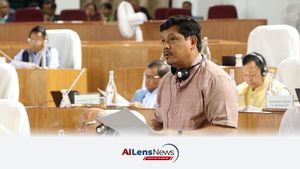
Raising the matter in the House, Leader of the Opposition Mukul Sangma said lawyers from across the state had come together to draw the government’s attention to their demands and grievances. He recalled the convention that, when the Assembly is in session, the government informs the House under Rule 55 of the situation, the circumstances leading to it and the government’s position, and sought that the House be told what the government proposed to do.
The Chief Minister called the matter important but said it was sub judice, with cases pending before the High Court, and that it would therefore be inappropriate for the government to make a statement. He added that the Opposition could have used zero-hour notices and other procedures.
Mukul asked how the issue was sub judice, noting that media reports did not appear to indicate this, and sought clarity. The Chief Minister said he did not have all the details. Sangma recalled being informed about three days earlier that the matter was sub judice, but could not say more at that point.
The Opposition Leader then urged the government to address the lawyers’ concerns, saying the administration of justice was crucial to governance and required utmost seriousness and focus. The issue was raised a day after members of the legal fraternity, including the High Court Bar Association and the Shillong Bar Association, pressed for Kumar’s removal and objected to the Chief Minister’s recent remark that the state was “lucky” to have him as Advocate General.
Bar associations have also questioned the engagement of Delhi lawyers on public funds, the appointment of Kumar’s son as a state panel advocate, and the choice of an “outsider” as Advocate General, and have sought a replacement familiar with local laws and practices.
The situation surrounding the Advocate General's position highlights a broader tension between the legal community and the state government. Advocate General Amit Kumar has been a figure of contention, particularly regarding allegations that he may not fully represent the interests of local lawyers or the public. The legal fraternity's concerns are rooted in the belief that a deeper understanding of local laws and customs is essential for effective legal representation and advocacy.
In Meghalaya, the legal profession plays a critical role in shaping the administration of justice. The state's unique cultural and legal landscape necessitates that legal representatives are not only versed in statutory law but also in customary laws that govern various aspects of life in the region. The perceived disconnect between the Advocate General and local legal practitioners has raised questions about the efficacy of legal representation at the highest levels of government.
Moreover, the choice to engage lawyers from Delhi, as highlighted by the bar associations, raises issues regarding the allocation of public funds. The legal community argues that resources should be directed towards supporting local legal professionals who are more attuned to the specificities of Meghalaya’s legal environment. This perspective reflects a broader sentiment within the community that local expertise should be prioritized in matters of legal representation, especially when public funds are involved.
The opposition’s call for transparency and accountability in the government’s handling of legal affairs is indicative of a larger demand for good governance. The Leader of the Opposition’s insistence on the need for the government to clarify its position underscores the expectation that the administration should be responsive to the concerns of its constituents, particularly those who are integral to the functioning of the justice system.
Chief Minister Conrad K. Sangma’s reference to the matter being sub judice suggests that the government is attempting to navigate the complexities of ongoing legal proceedings while balancing the demands of the legal community. However, the lack of a definitive response may lead to further frustration among lawyers who feel their voices are not being adequately heard or addressed by the government.
As the situation unfolds, the implications for the legal community in Meghalaya could be significant. If the government remains non-committal, it may exacerbate tensions between the legal fraternity and the state administration, potentially impacting the morale of lawyers and their engagement with the government on various legal issues. Conversely, a proactive approach in addressing these concerns could foster a more collaborative relationship between the government and the legal profession, ultimately benefiting the administration of justice in the state.
In conclusion, the ongoing dialogue between the Meghalaya government and its legal community is crucial for the integrity of the state's judicial system. The demands for the removal of Advocate General Amit Kumar are not merely a reflection of individual grievances but rather a manifestation of deeper issues regarding representation, local expertise, and the allocation of resources within the legal framework of Meghalaya. As both sides navigate this complex landscape, the outcomes will likely have lasting implications for governance and the rule of law in the region.
To learn more about the latest developments in Political Controversies, stay updated with our exclusive reports and analyses on AILensNews.

In the Assembly, Chief Minister Conrad Sangma invoked sub judice to deny informa…

Union Home Minister Amit Shah assured Manipur CM Yumnam Khemchand Singh that the…

The Congress party has condemned the Modi administration for the escalating cost…
The Meghalaya Legislative Assembly has passed a resolution against uranium minin…

In a significant political shift, three Congress councillors from Nagaland have …