

More
Checking your session
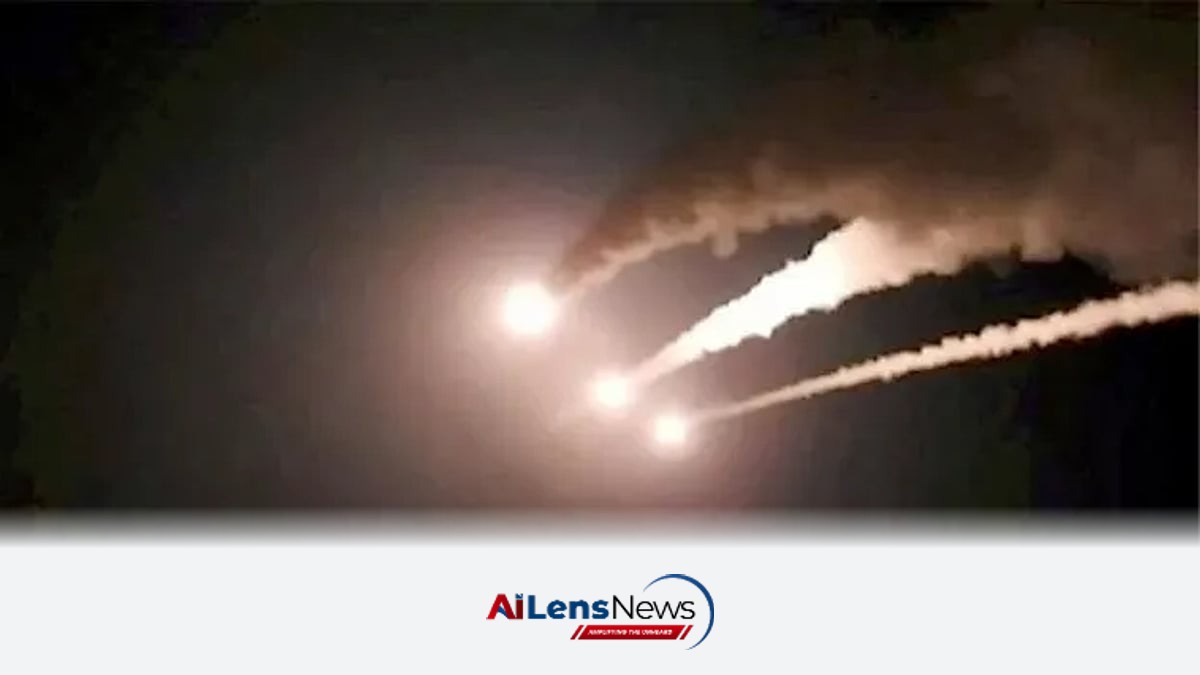



Iran retaliates with missile strikes on a US base in Jordan after US forces target Iranian rocket launchers on Larak Island.
Abu Dhabi, United Arab Emirates Aug 31, 2026 ALN: The recent missile attack by Iran on a US military base in Jordan marks a significant escalation in the ongoing tensions between the United States and Iran, particularly in the context of the broader regional dynamics in the Middle East. The incident follows closely on the heels of US military strikes that targeted Iranian rocket launchers on Larak Island, which is strategically located in the Persian Gulf. The US government has characterized these launchers as being under the control of Iran's Islamic Revolutionary Guard Corps (IRGC), a branch of the Iranian military that has been heavily involved in regional conflicts and has a reputation for its aggressive posturing against perceived threats.
The US strikes aimed to neutralize what Washington described as imminent threats posed by the IRGC, specifically the potential deployment of rockets equipped with sea mines into the Strait of Hormuz. This narrow waterway is a crucial maritime corridor through which a significant portion of the world's oil supply is transported. Any disruption in this area could have far-reaching implications for global oil markets and international shipping routes, raising the stakes of military confrontations in the region.
In retaliation for the US strikes, the IRGC issued a statement vowing to respond decisively, claiming that the US actions had resulted in casualties among Iranian citizens. This assertion, whether substantiated or not, reflects the IRGC's commitment to portraying itself as a defender of Iranian sovereignty and a protector of its citizens, especially in the face of foreign military interventions. The IRGC's rhetoric often emphasizes a narrative of resistance against what it perceives as aggression from the United States and its allies in the region.
In light of the heightened threat level following the missile attack, recent footage has emerged showing surface-to-air interceptors, likely part of the Patriot air-defense systems, being deployed over Jordan. These systems are designed to protect US and allied forces from incoming missiles and aircraft, indicating that military officials are taking the Iranian threat seriously. The presence of these interceptors underscores the strategic importance of Jordan as a base of operations for US forces in the region and highlights the ongoing military preparations in response to Iranian provocations.
Reports from open-source intelligence sources have identified the Muwaffaq Salti Air Base as the likely target of the Iranian missile strikes. This base has been a focal point in the ongoing conflict between the US and Iran, having previously been targeted by Iranian ballistic missiles. Notably, a July attack resulted in the deaths of two US service members, marking a tragic moment in the escalating violence in the region. The repeated targeting of this base suggests that Iran is specifically aiming to undermine US military presence and influence in Jordan, a key ally in the Middle East.
Jordanian authorities have confirmed that they have successfully intercepted previous missile strikes aimed at this base, showcasing the effectiveness of their air defense capabilities. However, the persistence of these attacks raises concerns about the potential for further escalation and the risk of broader conflict. The situation remains volatile, with both sides engaging in a dangerous game of brinkmanship that could easily spiral out of control.
The implications of these developments extend beyond the immediate military confrontations. The US-Iran tensions have significant geopolitical ramifications, affecting not only regional stability but also global economic conditions. An increase in hostilities could lead to disruptions in oil supplies, impacting prices and economic stability worldwide. Furthermore, the situation complicates diplomatic efforts aimed at addressing Iran's nuclear program and its influence in Iraq, Syria, and Lebanon.
As both the US and Iran continue to navigate this complex landscape, the potential for miscalculation remains a pressing concern. Each military action taken by either side could provoke a more severe response, leading to a cycle of retaliation that could engulf the region in conflict. The international community is closely watching these developments, as they could have profound implications for security and stability in the Middle East and beyond.
In conclusion, the missile attack on the US base in Jordan is a stark reminder of the fragility of peace in the region and the ongoing hostilities that characterize the US-Iran relationship. With both nations entrenched in their positions, the path forward will require careful diplomacy and a commitment to de-escalation to prevent further loss of life and potential wider conflict.
To learn more about the latest developments in World News & International Affairs, stay updated with our exclusive reports and analyses on AILensNews.

In a significant military action, US forces struck Larak Island, targeting Irani…

Rescuers in Nepal and China are racing against time to find thousands missing af…

The killing of Palestinian children and teenagers has surged in the West Bank si…
India has emerged as a key supplier of gasoline to Russia, driven by a surge in …

The Jordanian Armed Forces successfully intercepted eight missiles, responding t…