

More
Checking your session
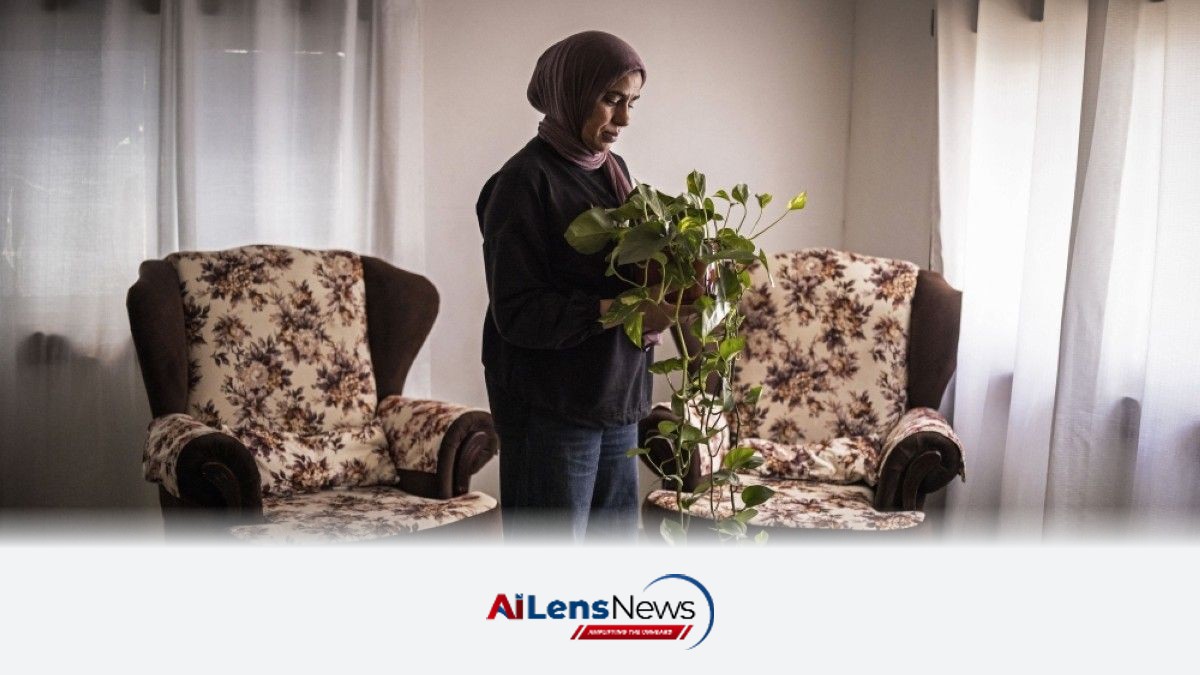



The killing of Palestinian children and teenagers has surged in the West Bank since the onset of the Gaza conflict, with reports indicating alarming statistics.
Kuwait City, Kuwait Aug 31, 2026 ALN: Alia Al-Hallaq’s son Mohammed was nine when he was killed by a Zionist army bullet last October, but the Palestinian homemaker still speaks of herself as a mother of five, not four. “I still haven’t accepted the idea of the loss. I often sit in the courtyard of the house and look at Mohammed’s grave below, and I cry while making sure that my children don’t see me,” she told AFP.
She said Mohammed was killed after running away from soldiers patrolling their village of Al-Rihiya, in the south of the occupied West Bank. Hallaq’s uncle, also named Mohammed Hallaq, told AFP that his nephew was killed by a stray bullet during a confrontation between the army patrol and a group of older youths. The bullet travelled through Mohammed’s abdomen, according to emergency services. “Mohammed’s killing was the end,” his mother said.
The ongoing Israeli-Palestinian conflict has long been marked by violence and tragedy, with the loss of life predominantly affecting civilians, including children. The killing of Palestinian children and teenagers by the Zionist entity has become increasingly common since the start of the war in Gaza. B’Tselem, a rights group, reported 235 children and teenagers killed by Zionist forces in the West Bank since October 7, 2023, through June 2026, including five killed by Zionist settlers.
The Palestinian Authority’s Colonization and Wall Resistance Commission, a Palestinian government institution, reported 250 such deaths over the same time period. This represents a significant increase in casualties compared to previous years. In the 17 years between 2005 and 2021, an average of roughly one Palestinian child or teenager was killed by Zionist forces every month, according to B’Tselem, a frequent but much lower rate. For the period since the October 7 attack, the average using B’Tselem figures is around seven killed per month.
Bullets for stones
AFP spoke to 12 women who lost children since October 7, 2023. Although the details of each case differ, all spoke of family life stopped in its tracks and a lack of accountability. Last year, of the 54 Palestinian children or teenagers killed according to B’Tselem, the youngest was just two years old, while the majority were aged between 14 and 17. Teenagers are often killed when Zionist forces engage with Palestinian youths throwing rocks, whom they routinely label terrorists, and shoot them.
The Zionist military commander for the West Bank, Major General Avi Bluth, said in early 2026 that the army had killed 42 Palestinians for throwing stones in 2025, not specifying how many were minors. This statistic raises serious concerns regarding the use of lethal force in situations that may not warrant such a response, particularly when minors are involved. In several other cases, usually involving younger children such as Mohammed, witnesses said the army had fired indiscriminately at Palestinians and killed children who were present. One such casualty was seven-month-old Sam Abu Haikal, shot in the face by Zionist troops in the West Bank city of Hebron in June 2026.
‘Palestinians don’t get justice’
His mother, Dania Abu Haikal, 28, told AFP she was also wounded when the troops fired at their car while Sam was on her lap, with a bullet entering through her cheek and exiting through her ear. She bore a large scar on her face when she met with AFP at her home in Bethlehem, holding a stuffed fox that had belonged to her son. “Why would anyone shoot an infant? What did a little baby, a seven-month-old infant, do to harm the soldiers?” Abu Haikal, a university lecturer, said. Her question underscores the broader humanitarian crisis that has emerged amidst the ongoing violence, particularly the impact on the most vulnerable populations, including children.
After a preliminary investigation, the army said one of its soldiers had opened fire on “uninvolved civilians” after their vehicle accelerated in the direction of the troops. Abu Haikal disputes this, and said her husband had brought their car to a stop before the soldiers started shooting. This incident reflects the complexities and often chaotic nature of confrontations in the region, where the lines between combatants and civilians can become blurred, leading to devastating consequences for innocent bystanders.
Abu Haikal carries the agony of losing her only child on top of the physical pain from the shooting. “I cry every day; now my life is empty without him,” she said. This sentiment is echoed by many families who have lost children in the conflict, highlighting the emotional toll that such tragedies take on parents and communities. The loss of a child not only shatters familial bonds but also reverberates throughout the community, as each death contributes to a growing sense of despair and hopelessness.
The statistics surrounding child fatalities in the region have drawn international attention and condemnation, with many human rights organizations calling for accountability and an end to the violence. The rising death toll among children has prompted discussions about the need for protective measures and a reevaluation of military engagement rules, particularly in densely populated civilian areas. The implications of these deaths extend beyond immediate grief; they raise questions about the future of the region, the potential for lasting peace, and the moral responsibilities of both local and international actors in addressing the ongoing conflict.
As the situation continues to evolve, the stories of families like Alia Al-Hallaq and Dania Abu Haikal serve as poignant reminders of the human cost of conflict. The loss of innocent lives, particularly children, underscores the urgent need for dialogue, reconciliation, and comprehensive strategies aimed at preventing further tragedies. Without concerted efforts to address the underlying issues of the Israeli-Palestinian conflict, the cycle of violence is likely to persist, resulting in more heartbreak and suffering for future generations.
To learn more about the latest developments in World News & International Affairs, stay updated with our exclusive reports and analyses on AILensNews.

In a significant military action, US forces struck Larak Island, targeting Irani…
Rescuers in Nepal and China are racing against time to find thousands missing af…
India has emerged as a key supplier of gasoline to Russia, driven by a surge in …

The Jordanian Armed Forces successfully intercepted eight missiles, responding t…

The USS Abraham Lincoln, a U.S. Navy aircraft carrier, has been spotted sailing …