

More
Checking your session
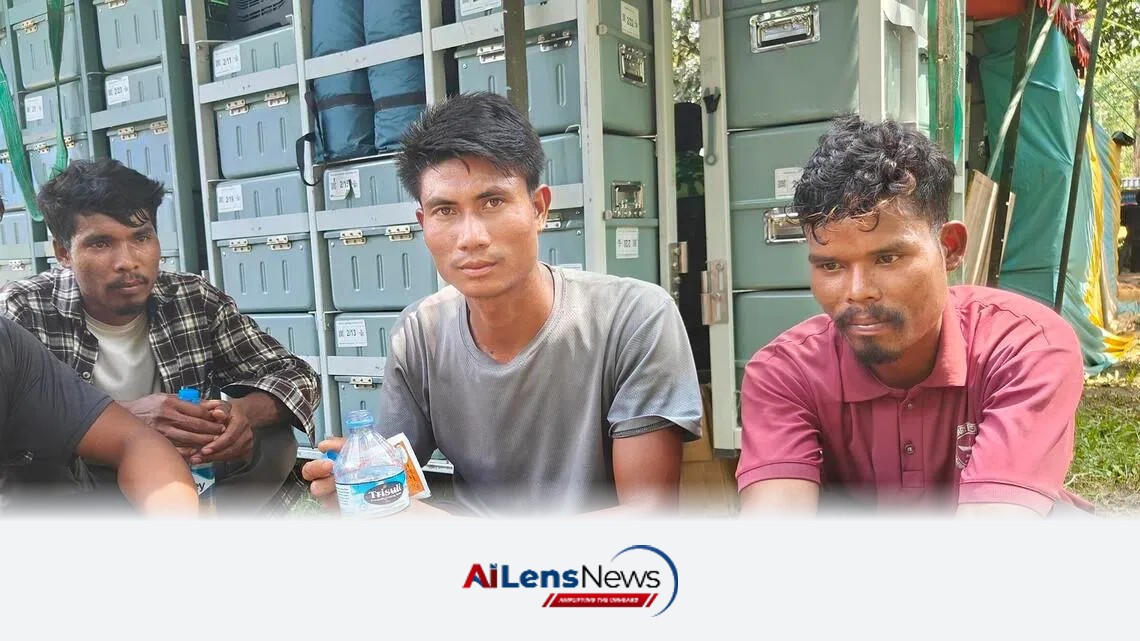



In the aftermath of the devastating flash flood in Nuwakot, survivors recount their narrow escapes and the ongoing relief efforts.
Singapore, Singapore Aug 30, 2026 ALN: NUWAKOT, Nepal – An electrical technician at an upcoming hydropower station along the Bhote Koshi River, Bikash Tharu, usually arrived for work around 8 am. However, on August 26, he and his colleagues overslept due to the grueling work the previous day, a delay that ultimately saved their lives. This incident highlights the unpredictable nature of natural disasters and serves as a stark reminder of the thin line between routine and catastrophe.
As they descended from their living quarters, they noticed a massive dust cloud accompanied by a thunderous noise racing down the river. Realizing something was terribly wrong, they sprinted back to higher ground, escaping the devastating flash flood that washed away the under-construction dam they were working on. This quick thinking and instinctive reaction to the impending danger exemplify the survival instincts that often kick in during emergencies.
“I want to thank God we were late that day. That saved our lives,” Tharu expressed, clutching a bottle of ORS and a packet of biscuits provided at a relief camp run by the Nepali army in Battar, Nuwakot district. The provision of basic necessities such as oral rehydration salts (ORS) and food is crucial in the aftermath of such disasters, as many survivors may face dehydration and malnutrition in the immediate days following the event.
Tharu and his colleagues spent three nights in higher villages, sleeping outdoors, and one night in a public school before being evacuated to the relief camp on August 29 via helicopter. Their experience reflects the broader challenges faced by many in the region, where infrastructure is often inadequate to cope with natural disasters, leaving communities vulnerable and unprepared.
The army relief camp has become a crucial hub for the Nepali government’s relief and evacuation efforts, receiving over 5,000 survivors, many of whom have injuries. They are screened for treatment and, if necessary, transported to hospitals in Kathmandu. The scale of the response emphasizes the importance of organized disaster management systems, which can significantly affect survival rates and recovery times in such crises.
Among the survivors at the camp on August 29 were Jari Bardewa, 73, and her husband Bhakta Bahadur Bardewa, 69. They were inside their home, approximately 300 meters from the Trishuli River in Trishuli Bazaar, when the flood struck. Their experience underscores the unpredictability of flash floods, which can occur with little warning and can devastate communities in a matter of minutes.
As the floodwaters surged, the couple was forced to flee their home, witnessing the destruction around them. “It felt like the river was going to consume the entire world,” Jari recalled, her voice trembling with emotion. This emotional recounting illustrates the psychological toll that such disasters can take on individuals, often leading to long-term trauma and anxiety about future natural events.
The Nepali army has been actively involved in relief efforts, providing medical aid, trauma counseling, and ongoing searches for missing persons. The multifaceted nature of the response is essential in addressing not only the physical injuries sustained during the flood but also the emotional and psychological impacts that many survivors will carry with them long after the waters recede.
Survivors express fears about returning home, with many still traumatized by their experiences. The fear of future floods and the loss of their homes creates a complex emotional landscape that complicates recovery efforts. Community support systems, including psychological counseling and trauma-informed care, will be critical in helping individuals process their experiences and begin to heal.
The flash flood, which occurred on August 26, caused severe damage, washing away infrastructure and displacing countless families. The destruction of homes, roads, and essential services poses significant challenges for recovery and rebuilding efforts. As rescue operations continue, the community rallies together, providing support to those affected. This solidarity showcases the resilience of the Nepali people, who have a history of coming together in times of crisis.
As the days pass, the stories of survival and resilience emerge from the relief camp, highlighting the strength of the human spirit in the face of adversity. These narratives not only serve to inspire hope among survivors but also raise awareness about the need for improved disaster preparedness and response strategies in Nepal, a country that is prone to various natural disasters, including earthquakes and floods. The lessons learned from this incident could inform future policies and practices aimed at minimizing the impact of such disasters on vulnerable communities.
To learn more about the latest developments in World News & International Affairs, stay updated with our exclusive reports and analyses on AILensNews.

Nigerien authorities have regained control following a soldier mutiny at a milit…
The death toll from Nepal's devastating floods has climbed to 724, with nearly 2…

A devastating flash flood at Gyirong Port has left 261 foreign nationals, includ…

As US oil companies report record profits, the ongoing conflict in Iran poses si…
The death toll from the devastating flash floods in central Nepal has risen to 7…