

More
Checking your session
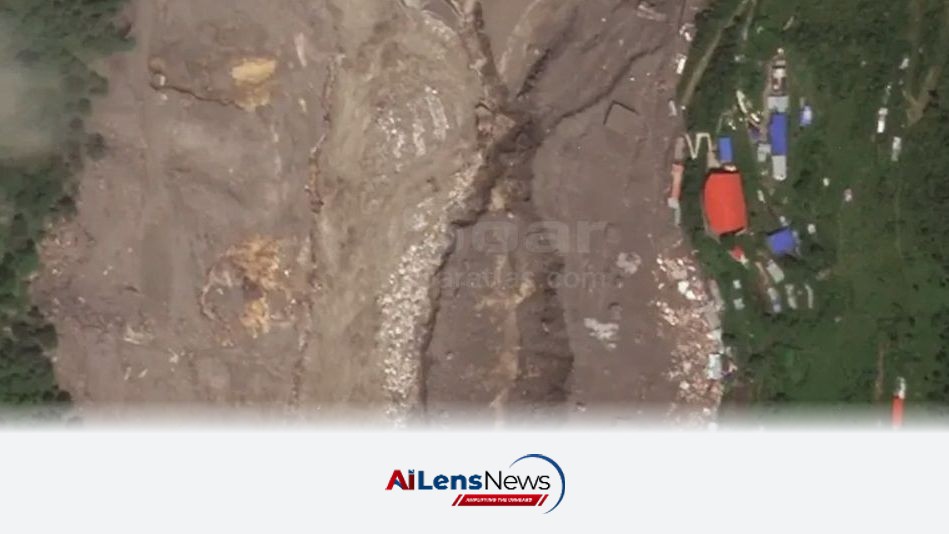



The death toll from the devastating flash floods in central Nepal has risen to 734, with nearly 2,500 people still unaccounted for as rescue operations continue.
New Delhi, India Aug 30, 2026 ALN: The death toll from flash floods in central Nepal rose to 734 on Sunday, with more bodies being recovered even as nearly 2,500 people are still missing following the disaster.
The devastating floods, which have affected multiple districts, have triggered a large-scale humanitarian crisis. As rescuers race against time to search for those missing and rescue those stranded, the situation remains dire on the fifth day since the disaster struck.
The cause of this catastrophic event was an ice-rock avalanche that followed a glacial collapse near the Nepal-Tibet border. This phenomenon sent a torrent of water, mud, and debris cascading downstream, obliterating towns and villages, damaging crucial infrastructure, and washing away hydropower stations throughout central Nepal. The severity of the floods has drawn attention not only to the immediate human toll but also to the long-term implications for the affected regions.
The National Disaster Risk Reduction and Management Authority (NDRRMA) has reported that the death toll from this tragedy has surged to 734. The numbers reflect the widespread impact of the floods across eight affected districts, with bodies recovered from various locations. So far, 259 dead bodies have been retrieved from Chitwan, 184 from Nawalparasi East, 82 from Nawalparasi West, and 58 from Gorkha districts. Similarly, 52 bodies have been recovered from Nuwakot, 50 from Dhading, 36 from Tanahu, and 13 from Rasuwa. The scale of loss is staggering, and the ongoing recovery efforts are complicated by the challenging terrain and ongoing weather conditions.
In addition to the tragic loss of life, the floods have left 2,498 people missing, a figure that includes 85 security personnel and 320 foreigners. The high number of missing individuals highlights the chaos and destruction that accompanied the floods, as entire communities were swept away in a matter of moments. The search and rescue operations have been further complicated by the scale of the disaster, with rescuers working tirelessly under difficult conditions.
Rescue operations have seen some success, with 8,186 individuals evacuated from the affected districts, including 227 foreigners. The efforts involve not only local authorities but also support from various organizations and volunteers. Helicopters and boats have been deployed to reach isolated areas, and emergency shelters have been established to provide temporary housing for those displaced by the floods. However, the logistics of such operations are challenging, given the ongoing risk of further landslides and flooding due to unstable weather patterns.
The implications of this disaster extend beyond immediate rescue efforts. The destruction of infrastructure, including roads, bridges, and hydropower stations, poses significant challenges for recovery and rebuilding. Central Nepal relies heavily on hydropower for its energy needs, and the loss of these facilities could have long-term economic impacts. The agricultural sector, which is vital for local communities, has also been severely affected, with crops and livestock lost to the floods. The potential for food shortages and economic instability is a pressing concern as the region grapples with the aftermath of this disaster.
In the context of climate change, the frequency and intensity of such weather-related disasters are expected to increase. This incident underscores the need for improved disaster preparedness and risk reduction strategies, particularly in vulnerable regions like Nepal. As the country continues to face the consequences of this tragedy, the importance of investing in infrastructure that can withstand natural disasters becomes increasingly apparent.
International aid and support will likely play a crucial role in the recovery process. Humanitarian organizations are mobilizing resources to assist those affected, and there is an urgent need for medical supplies, food, and shelter for displaced populations. The Nepalese government is also expected to seek international assistance to help with recovery efforts and rebuild the affected areas.
As the search for the missing continues and recovery efforts are underway, the resilience of the Nepalese people will be tested. The community spirit and solidarity often seen in the face of adversity will be vital as families begin to rebuild their lives. The coming weeks will be critical in determining the extent of the recovery and the support needed to help those affected by this devastating disaster.
To learn more about the latest developments in World News & International Affairs, stay updated with our exclusive reports and analyses on AILensNews.

Nigerien authorities have regained control following a soldier mutiny at a milit…
The death toll from Nepal's devastating floods has climbed to 724, with nearly 2…

A devastating flash flood at Gyirong Port has left 261 foreign nationals, includ…

As US oil companies report record profits, the ongoing conflict in Iran poses si…

Vladimir Putin and Xi Jinping are set to attend a significant summit in Kyrgyzst…