

More
Checking your session
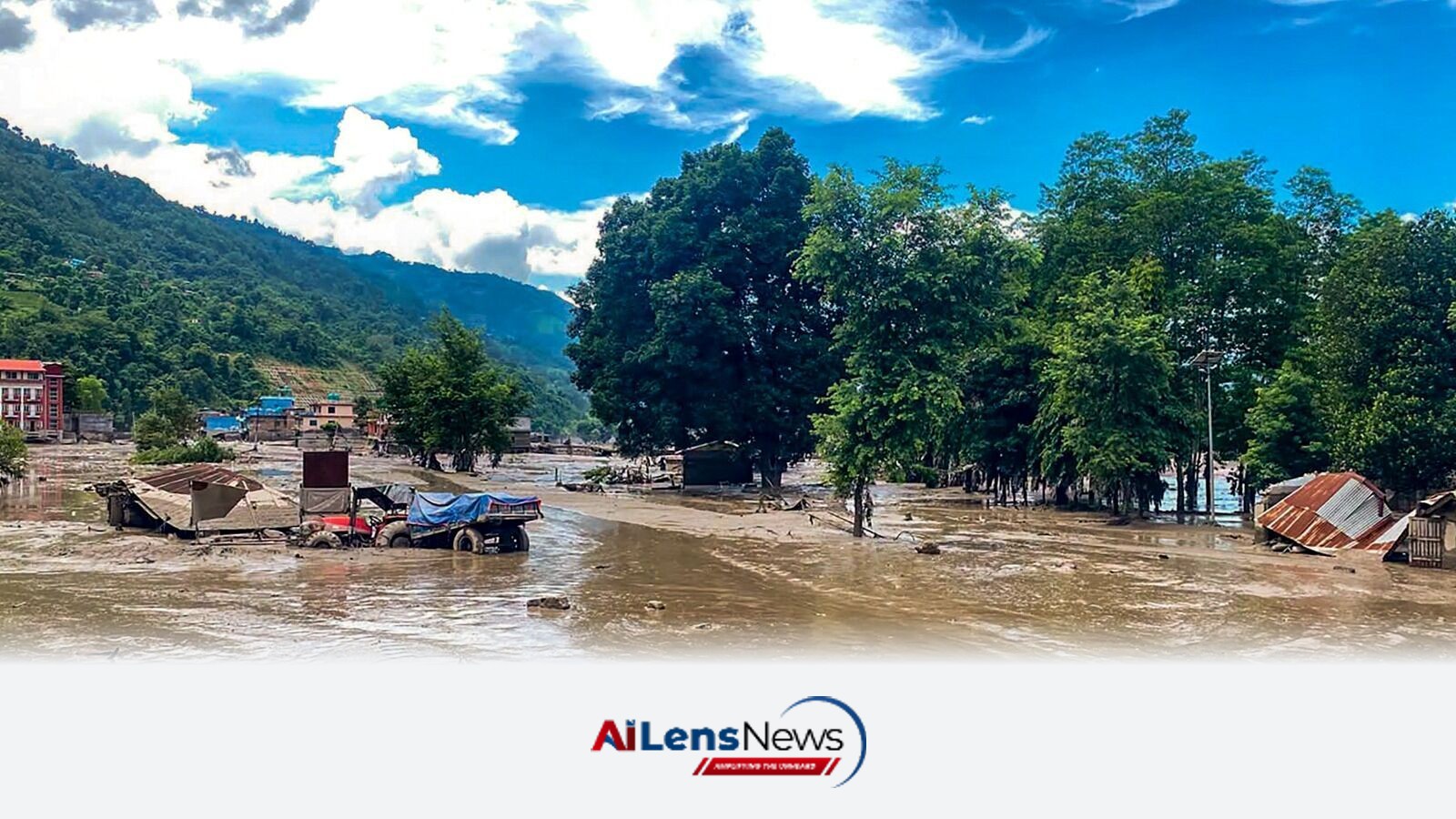



The death toll from Nepal's devastating floods has climbed to 724, with nearly 2,500 individuals still unaccounted for as rescue operations face renewed rainfall.
New Delhi, India Aug 30, 2026 ALN: The death toll from flash floods in Nepal has tragically risen to 724, as rescuers continue their desperate efforts to locate nearly 2,500 individuals still missing five days after the disaster struck. This catastrophic event has not only claimed lives but has also disrupted the lives of countless families and communities across the affected regions.
Flash floods in Nepal, particularly during the monsoon season, are not uncommon. However, the scale of this disaster has raised concerns about the changing climate patterns and the increasing intensity of rainfall. The National Disaster Risk Reduction and Management Authority (NDRRMA) has reported that bodies have been recovered from all eight affected districts, with search and rescue operations ongoing amid renewed rainfall and rising water levels. The reported figures of recovered bodies include 259 from Chitwan, 184 from Nawalparasi East, 82 from Nawalparasi West, and 58 from Gorkha, among others. The NDRRMA has confirmed that 2,498 people remain missing, including 85 security personnel and 320 foreigners, highlighting the extensive impact of the floods.
So far, 8,186 individuals, including 227 foreigners, have been evacuated from the affected areas, showcasing the scale of the rescue operations being undertaken. The NDRRMA issued a warning to search and rescue personnel in several flood-hit districts as the water level in the Bhotekoshi River has risen again. “The water level in the flooded Bhotekoshi River has increased; all concerned are urged to take precautionary measures,” the authority stated, emphasizing the ongoing risk to both rescuers and survivors.
Rescue teams in Rasuwa, Nuwakot, Dhading, and Chitwan have been advised to remain vigilant, with further updates expected as new information becomes available. The Bhotekoshi River, which flows south from the Himalayan border region, has been particularly problematic, carrying massive volumes of water downstream during Wednesday’s flash floods. This river is known for its swift currents and can be extremely dangerous during heavy rainfall.
Over 15,000 security personnel have been mobilized for search and rescue operations, with helicopters conducting repeated sorties to evacuate stranded individuals and deliver essential relief supplies. The deployment of such a significant number of personnel illustrates the urgency and seriousness of the situation, as rescuers work tirelessly to reach those in need. The terrain in the affected regions is often rugged and difficult to navigate, complicating rescue efforts further.
At the Trishuli hydropower project site, Nepalese security personnel, assisted by Indian tunnel experts, are working tirelessly to rescue people trapped inside the facility by locating the tunnel entrance. This operation continued beyond Saturday midnight despite heavy rain, according to sources from the Nepal Army. The involvement of Indian experts highlights the regional cooperation that often emerges during humanitarian crises, as neighboring countries come together to provide assistance in times of need.
On Saturday, the Ministry of External Affairs (MEA) reported that more than 275 Indians remain missing, while 108 others have been rescued following the devastating flash floods along the Nepal-Tibet border. This situation has raised concerns not only for the families of those missing but also for the broader implications of cross-border ties and the need for collaborative disaster response mechanisms between nations.
The aftermath of such disasters often leads to significant challenges, including the need for rebuilding infrastructure, providing psychological support to survivors, and addressing the long-term impacts on local economies. The floods have destroyed homes, roads, and agricultural land, which will take considerable time and resources to recover. Additionally, the emotional toll on families and communities can be profound, leading to long-term mental health issues that require ongoing attention and support.
As the situation develops, the government of Nepal, along with various non-governmental organizations (NGOs) and international aid agencies, will need to focus not only on immediate rescue and relief efforts but also on planning for recovery and resilience against future disasters. This includes improving early warning systems, enhancing infrastructure to withstand extreme weather events, and fostering community preparedness programs.
In conclusion, the ongoing floods in Nepal serve as a stark reminder of the vulnerabilities faced by communities in disaster-prone regions. As the nation grapples with the immediate effects of this tragedy, it is imperative that all stakeholders work collaboratively to address both the short-term and long-term needs of the affected populations. The resilience of the Nepalese people, coupled with effective disaster management strategies, will be crucial in overcoming this crisis and building a safer future.
To learn more about the latest developments in World News & International Affairs, stay updated with our exclusive reports and analyses on AILensNews.

Nigerien authorities have regained control following a soldier mutiny at a milit…

A devastating flash flood at Gyirong Port has left 261 foreign nationals, includ…

As US oil companies report record profits, the ongoing conflict in Iran poses si…

The death toll from the devastating flash floods in central Nepal has risen to 7…

Vladimir Putin and Xi Jinping are set to attend a significant summit in Kyrgyzst…