

More
Checking your session
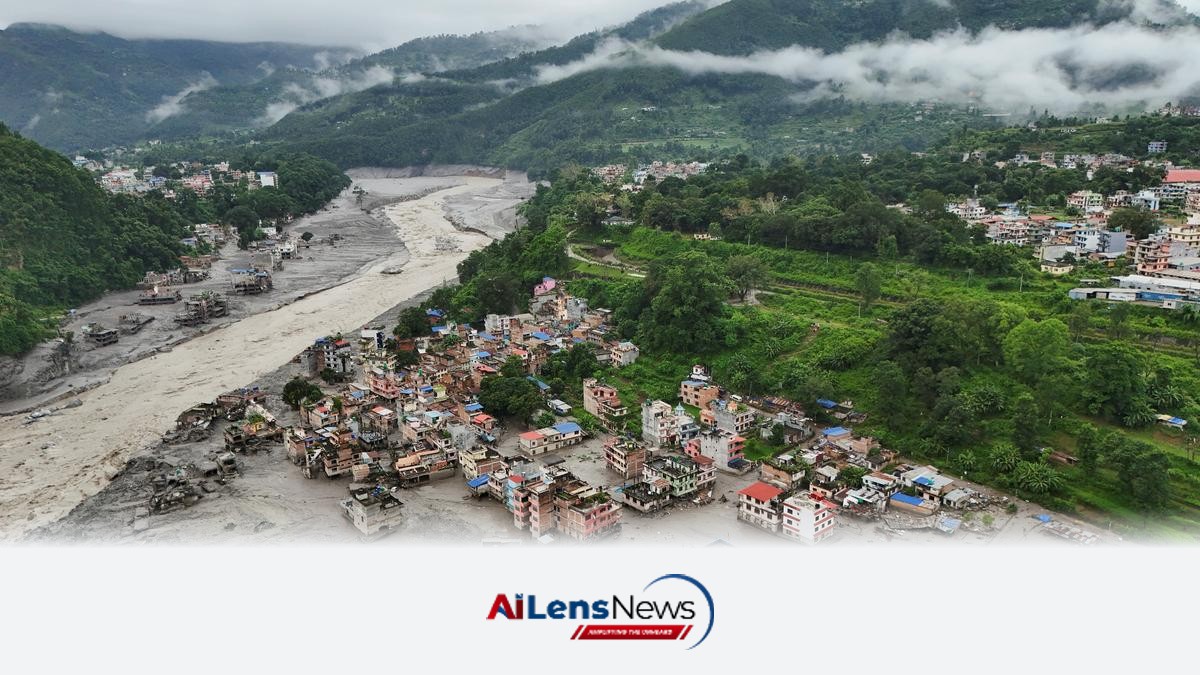



In light of recent flash floods in Nepal, a Sikkim organization urges PM Modi to stop new hydropower projects, citing ecological concerns.
New Delhi, India Aug 28, 2026 ALN: GUWAHATI
A coalition of two ethnic communities in Sikkim has urged the Indian government to take heed of the devastating flash floods in Nepal and to cancel all new and proposed hydropower projects in the Himalayan state. This call comes in the wake of a catastrophic event that has raised concerns about the environmental and social implications of hydropower development in the region.
According to the Nepal Electricity Authority, at least 13 hydropower projects along the Bhotekoshi and Trishuli River corridors were severely damaged due to an avalanche of ice and rock triggered by an earthquake in Tibet. The mudslide struck Tibet’s Gyirong port and surged into Nepal, resulting in high-speed flash floods that obliterated roads, power projects, and inundated entire villages. The 111-megawatt Rasuwagadhi Hydropower Plant in Nepal’s Rasuwa district was notably affected, illustrating the vulnerability of infrastructure in the region to natural disasters.
On Wednesday evening, the Sikkim Bhutia Lepcha Apex Committee (SIBLAC) called on Prime Minister Narendra Modi to halt new hydropower projects in Sikkim and to initiate an independent, time-bound investigation into existing ones. This coalition, representing the Bhutia and Lepcha communities, has been vocal about their concerns regarding the ecological and social impacts of hydropower development in the Himalayan region. SIBLAC convenor Tseten Taski Bhutia, who also serves as the chief advisor to the Sikkim unit of the Bharatiya Janata Party, expressed solidarity with the flood-affected communities in Nepal and emphasized the importance of ongoing relief and rescue operations.
“The disaster in Nepal underscores the vulnerability of the Himalayan region, necessitating a comprehensive reassessment of development activities,” he stated, urging the government to reconsider plans for new hydroelectric projects on Sikkim’s rivers. This perspective reflects a growing sentiment among various stakeholders who believe that the rapid pace of hydropower development could exacerbate the risks associated with climate change and geological instability in the region.
Mr. Bhutia also called for an independent inquiry into the environmental, geological, seismic, social, and security ramifications of all existing and proposed projects in Sikkim. He insisted that the Centre should publish a white paper detailing the findings of such an assessment. This demand for transparency and accountability highlights the need for a more nuanced approach to development in ecologically sensitive areas, where the balance between economic growth and environmental preservation is critical.
He clarified that SIBLAC is not opposed to development but believes it should not come at the expense of ecological and social security in India’s Himalayan frontier. This stance is particularly relevant given Sikkim's unique geography and biodiversity, which are under threat from various developmental pressures, including hydropower projects.
Sikkim has experienced its share of natural disasters that are directly or indirectly linked to hydropower projects. The glacial lake outburst flood in October 2023 devastated the 1,200MW Teesta-III hydropower project in Chungthang and significantly affected downstream energy infrastructure along the Teesta River. Such incidents have raised alarms about the sustainability of hydropower as a clean energy source in the face of increasing climate variability and geological risks.
Hydropower has been promoted as a renewable energy source that can help India meet its growing energy demands while reducing reliance on fossil fuels. However, the recent disasters serve as a reminder of the potential downsides of large-scale hydropower projects, including displacement of local communities, loss of biodiversity, and alteration of natural water flow patterns. The debate surrounding hydropower in Sikkim is not just about energy production; it encompasses broader issues of environmental justice, community rights, and sustainable development.
As Sikkim grapples with the implications of its hydropower initiatives, the call from SIBLAC reflects a broader movement among indigenous and local communities advocating for greater participation in decision-making processes related to development projects that affect their lives and livelihoods. The intersection of environmental stewardship and community rights is becoming increasingly prominent in discussions about the future of hydropower in the region.
In light of the recent events in Nepal, the Indian government faces the challenge of balancing energy needs with environmental and social considerations. The need for a comprehensive policy framework that takes into account the unique vulnerabilities of the Himalayan region is more pressing than ever. This includes not only reassessing existing projects but also re-evaluating future plans to ensure they align with the principles of sustainable development.
As the situation evolves, the implications of these discussions will likely resonate beyond Sikkim, influencing hydropower policies and practices across the broader Himalayan region. The outcomes of the proposed investigations and the government's response to community concerns will be pivotal in shaping the future of hydropower development in India, potentially setting a precedent for how such projects are managed in ecologically sensitive areas.
To learn more about the latest developments in Society & Social Issues, stay updated with our exclusive reports and analyses on AILensNews.


Guna Maya Bohara, a 97-year-old woman, was rescued from flood debris in Nepal an…

Meta has reached a landmark $18 billion settlement to resolve claims from US sta…

Congress leader Rahul Gandhi supports Kriti Sanon following backlash over her ou…

At a Tribal Convention in Pulwama, Minister Javed Ahmed Rana underscored the For…