

More
Checking your session
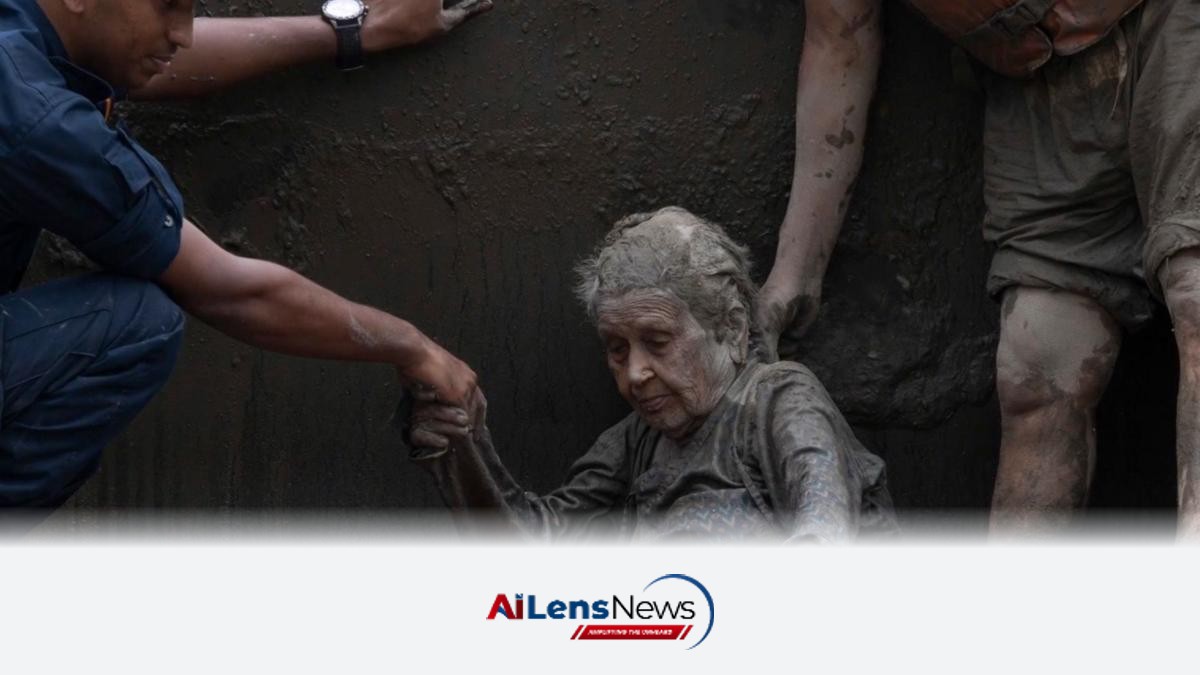



Guna Maya Bohara, a 97-year-old woman, was rescued from flood debris in Nepal and is recovering in the hospital after a four-hour operation.
New Delhi, India Aug 29, 2026 ALN: A 97-year-old woman named Guna Maya Bohara, who was recently rescued from the devastation caused by severe flooding in Nepal, is currently recovering in a hospital, receiving medical attention and support from her family. Her great-nephew, Dipak Bohara, expressed his admiration for her resilience, describing her as looking like "a warrior" who had returned victorious from battle. This striking characterization not only highlights her remarkable survival but also reflects the broader human spirit in the face of natural disasters.
The rescue operation to extricate Bohara from the debris of her care home was a challenging endeavor that lasted approximately four hours. It involved multiple rescue workers who faced difficult conditions as they navigated through the wreckage left by the floods. Dipak Bohara traveled from Kathmandu to participate in the rescue efforts, underscoring the familial bonds and the urgency of the situation. His commitment to helping his great-aunt illustrates the deep connections within families, especially during times of crisis.
The floods that led to Bohara's ordeal are part of a larger pattern of extreme weather events that have affected Nepal and the surrounding regions. These flash floods, which occurred on a Wednesday, have resulted in hundreds of confirmed fatalities, with many more individuals left missing or unaccounted for. The situation has prompted widespread concern and mourning across the nation, as communities grapple with the loss of life and the destruction of homes and infrastructure.
Scientists have suggested that the catastrophic floods were likely triggered by a glacier collapsing in the Himalayan border region with Tibet. This phenomenon is not uncommon in areas where climate change is causing glaciers to melt at an accelerated rate, leading to increased water flow into rivers and potential flooding downstream. The implications of such environmental changes are profound, as they pose a significant threat not only to the local population but also to the ecosystems that depend on stable climatic conditions.
The impact of these floods extends beyond immediate physical destruction. Communities are facing challenges related to displacement, access to clean water, and the restoration of essential services. Humanitarian organizations are mobilizing to provide aid to those affected, emphasizing the need for both immediate relief and long-term recovery plans. The government of Nepal, alongside international aid agencies, is likely to be involved in coordinating relief efforts, assessing the damage, and implementing strategies to prevent future disasters.
In addition to the immediate health concerns for survivors like Guna Maya Bohara, there are broader implications for public health and safety in the aftermath of such disasters. Floods can lead to an increase in waterborne diseases, contamination of drinking water supplies, and a strain on healthcare systems that may already be under-resourced. The psychological toll on survivors, particularly the elderly and vulnerable populations, must also be addressed, as they may experience trauma and anxiety in the wake of such life-threatening events.
Furthermore, the situation raises questions about disaster preparedness and climate resilience in Nepal. As a country that is particularly susceptible to the effects of climate change, there is an urgent need for improved infrastructure, better early warning systems, and community education on disaster response. Policymakers and local leaders will need to consider how to enhance the resilience of communities to withstand future climate-related disasters.
Guna Maya Bohara's story is a poignant reminder of the strength of the human spirit amidst adversity. Her survival and the efforts of her family and rescuers exemplify the courage and determination that can emerge in the face of overwhelming challenges. As the nation mourns the loss of life and begins to rebuild, like Bohara's can serve as a source of inspiration and hope for those affected by the floods.
In summary, the rescue of Guna Maya Bohara from the flood debris highlights not only an individual story of survival but also the broader context of environmental challenges, community resilience, and the need for effective disaster management strategies in Nepal. As recovery efforts continue, it is crucial to address both the immediate needs of those affected and the long-term implications of climate change on vulnerable populations in the region.
To learn more about the latest developments in Society & Social Issues, stay updated with our exclusive reports and analyses on AILensNews.


In light of recent flash floods in Nepal, a Sikkim organization urges PM Modi to…

Meta has reached a landmark $18 billion settlement to resolve claims from US sta…

Congress leader Rahul Gandhi supports Kriti Sanon following backlash over her ou…

At a Tribal Convention in Pulwama, Minister Javed Ahmed Rana underscored the For…