

More
Checking your session
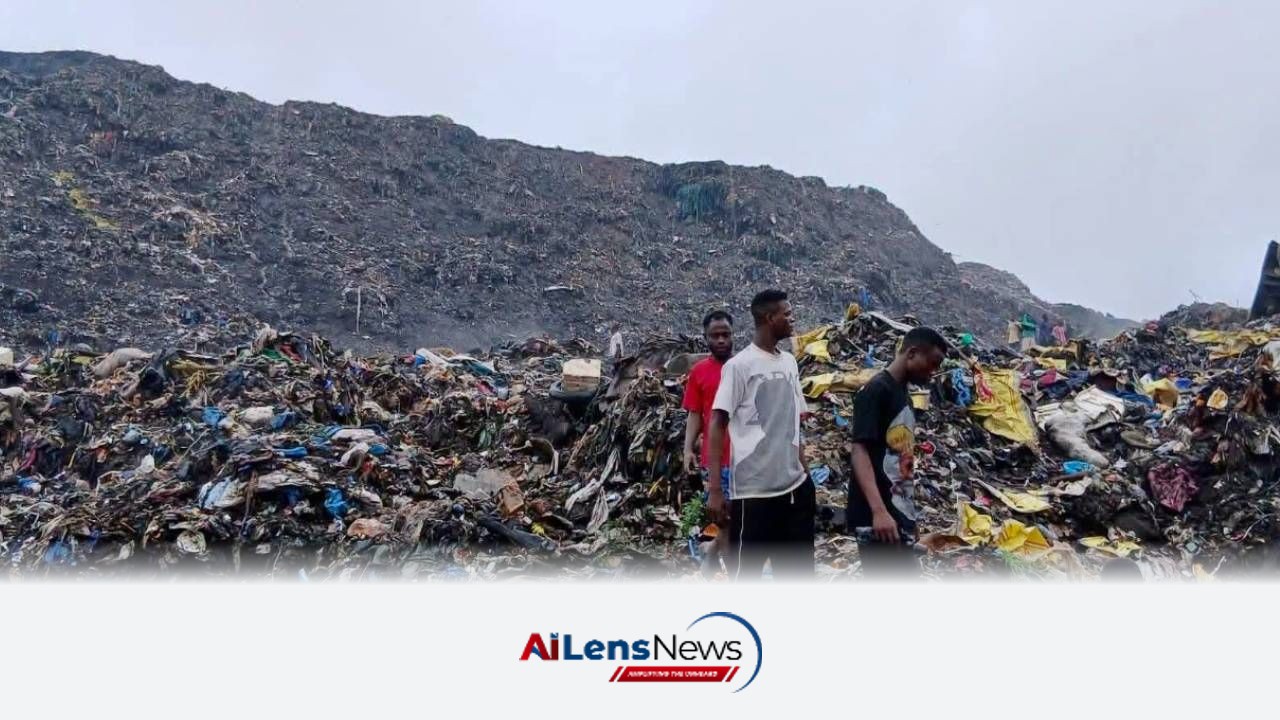



A landslide at Guinea's largest landfill, Dar Es Salam, resulted in 30 fatalities and several injuries after torrential rains triggered the collapse.
New Delhi, India Aug 24, 2026 ALN: Conakry (Guinea): A devastating landslide occurred at the Dar Es Salam landfill, the largest in Guinea's capital, early Sunday, resulting in the deaths of 30 individuals, according to officials. This tragedy has not only claimed lives but has also highlighted the precarious living conditions faced by many residents in the vicinity of the landfill, as well as the broader issues related to waste management in urban areas of Guinea.
The incident unfolded around 2 AM when heavy rains inundated the refuse heap, causing it to collapse and bury nearby shacks. Six people sustained serious injuries, and numerous homes were destroyed in the disaster. The Dar Es Salam landfill, notorious for its precarious conditions, has long been a site of concern for both local residents and government officials. The heavy rains, common during this season, exacerbated the already unstable conditions of the landfill, leading to this catastrophic event.
Authorities promptly initiated search and rescue operations to locate any potential survivors trapped under the debris. Emergency response teams, including firefighters and local volunteers, worked tirelessly throughout the day and into the night to sift through the rubble. Their efforts were hampered by the ongoing adverse weather conditions, which made the terrain even more treacherous. The local government has mobilized resources to aid those affected by the tragedy, including medical assistance for the injured and temporary shelter for those displaced.
The Dar Es Salam site, an open-air waste dump, had been scheduled for closure on the same day of the collapse, as stated by Lt. Col. Baldé Mamadou Bailo, the sanitation officer for the military engineering battalion. The landfill has been operational for decades, serving as a dumping ground for the city’s waste, but it has faced increasing scrutiny due to its environmental impact and the dangers posed to nearby communities. Residents living around the landfill had received eviction notices, prompting many to vacate the area. However, a significant number remained at the time of the disaster, leading to the tragic loss of life. This situation raises critical questions about the effectiveness of the government's communication and relocation strategies, as well as the adequacy of support provided to those affected by such policies.
In response to the incident, Dienabou Touré, the minister of territorial administration and decentralization, assured the public that efforts would be made to relocate the remaining families living near the landfill. "We will ensure that the remaining families are relocated elsewhere," he stated during a visit to the site. This promise of relocation reflects a growing recognition of the need for more sustainable urban planning and the importance of prioritizing public safety in areas prone to natural disasters.
This tragic event has raised concerns about the safety of waste management practices in Conakry and the need for improved infrastructure to prevent similar disasters in the future. The community is mourning the loss of life and grappling with the aftermath of this catastrophic event. Families are left to cope with the emotional and financial repercussions of the disaster, as many have lost loved ones and their homes in a matter of moments.
The government is expected to conduct a thorough investigation into the circumstances surrounding the collapse and to implement measures to enhance safety protocols at waste disposal sites. This incident serves as a stark reminder of the vulnerabilities faced by communities living in close proximity to hazardous waste sites, particularly during adverse weather conditions. It underscores the urgent need for comprehensive waste management solutions that can mitigate risks and protect vulnerable populations.
In the broader context, this landslide reflects systemic issues related to urbanization in Guinea, where rapid population growth has outpaced the development of infrastructure. Many cities in developing nations face similar challenges, where informal settlements often arise near hazardous sites due to economic necessity. As urban areas expand, the need for effective waste management and disaster preparedness becomes increasingly critical.
The implications of the Dar Es Salam landfill disaster extend beyond immediate rescue efforts and community support. It calls for a reevaluation of urban planning strategies, investment in safer waste management technologies, and the establishment of robust disaster response frameworks. As the government and local authorities respond to this tragedy, it is imperative that they engage with affected communities to ensure that their voices are heard in the planning and implementation of future safety measures.
Furthermore, international organizations and NGOs may also play a role in providing assistance and expertise in disaster risk reduction and urban resilience. Collaborative efforts can help build a more sustainable future for Conakry and similar cities facing the dual challenges of waste management and climate change. The loss of life at the Dar Es Salam landfill should serve as a catalyst for change, prompting both local and national leaders to prioritize the safety and well-being of their citizens in the face of growing environmental threats.
To learn more about the latest developments in World News & International Affairs, stay updated with our exclusive reports and analyses on AILensNews.

Nigerien authorities have regained control following a soldier mutiny at a milit…

The death toll from Nepal's devastating floods has climbed to 724, with nearly 2…
A devastating flash flood at Gyirong Port has left 261 foreign nationals, includ…

As US oil companies report record profits, the ongoing conflict in Iran poses si…

The death toll from the devastating flash floods in central Nepal has risen to 7…