

More
Checking your session
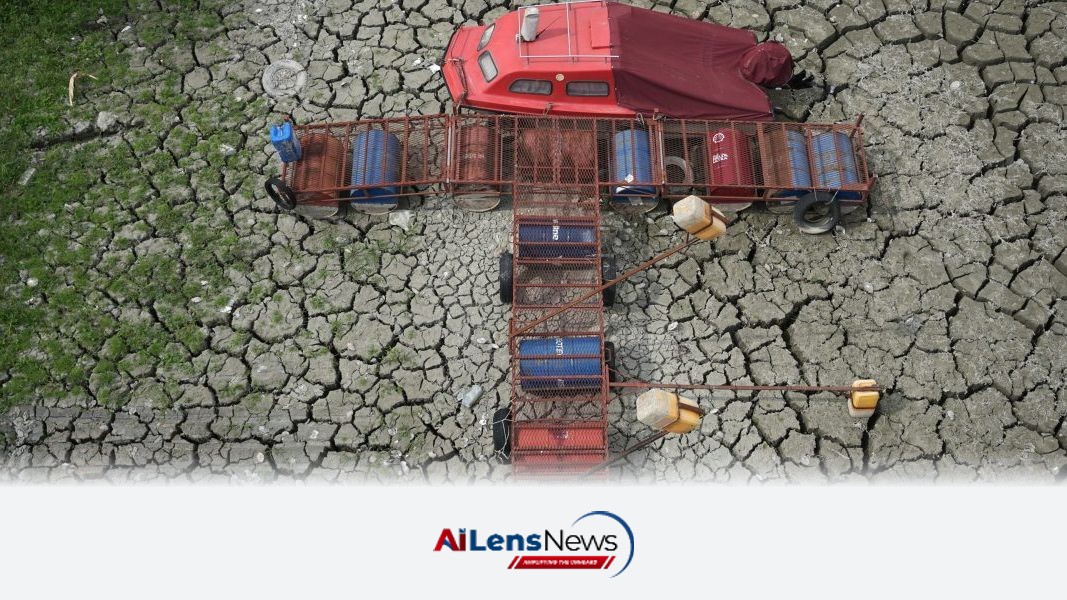



Severe drought conditions across Europe, particularly in Hungary and Romania, are endangering fish populations and causing significant economic losses.
Washington DC, United States Aug 30, 2026 ALN: Small boats stand idle on cracked ground in a shriveled side channel of the Danube River in northern Serbia, where the water has receded into a couple of shrinking ponds under pressure from extreme drought and heat. Fish circle in the shallow waters, struggling to survive in an increasingly hostile environment.
“This is all we have, these two little ponds that are full of juvenile fish,” fisherman Dusan Jovanovic said. He expressed concern for the fish population, noting that the water levels are critically low and the temperature has soared above 30 degrees Celsius (86 degrees Fahrenheit). This alarming combination of factors poses a significant threat to aquatic life in the region. “ If they start to die, they will all die at once,” Jovanovic warned, highlighting the precarious situation facing both fishermen and the fish themselves.
Persistent drought and scorching heat this summer have ravaged ecosystems and businesses across the region, impacting various bodies of water from a lake in Slovenia to the side channel of the Danube in Serbia, and extending to fish farms in Bosnia, the Czech Republic, Romania, and Hungary. The ripple effects of these extreme weather conditions are being felt across multiple sectors, raising concerns about food security and economic stability in the affected areas.
The fish industry has been hit especially hard, with damage estimated in the millions of euros (dollars). This economic blow is compounded by existing challenges such as energy shortages, water supply issues, devastated agricultural crops, and losses in river traffic and trade. The cumulative effect of these factors paints a grim picture for the future of the region's fish industries and the communities that rely on them.
Finding themselves unprepared for this year’s crisis, countries and businesses are now pondering ways to minimize the effects of future extreme weather events that scientists have increasingly tied to human-induced climate change. The urgency of addressing these issues cannot be overstated, as the frequency and intensity of droughts are expected to rise in the coming years, necessitating a reevaluation of water management strategies.
Around 99% of Hungary’s lands are currently under severe or extreme drought conditions, according to the national meteorological service. The phenomenon of desertification, characterized by the receding of vegetation due to high heat and low rainfall, threatens much of the Great Hungarian Plain. This ecological crisis not only affects the fish industry but also has broader implications for agriculture and biodiversity in the region.
Among the most affected are Hungary’s roughly 27,000 hectares (67,000 acres) of fish ponds. The country’s Agriculture and Food Economy Ministry reported that “persistent heat and water shortages” had led to 1,588 hectares (3,924 acres) of those ponds drying out, resulting in the deaths of nearly 280 metric tons of fish at 20 farms. This significant loss raises questions about the sustainability of fish farming practices in the face of such extreme climatic conditions.
The estimated revenue loss from the damage was 1.3 billion forints ($4.2 million), according to the ministry. Producers have expressed concerns that replacing the lost fish could take years, hindering the recovery of the industry. In some cases, operators were forced to drain one pond and divert its water to save fish in another, a desperate measure that underscores the severity of the situation. The Hungarian Aquaculture and Fisheries Inter-branch Organization reported these challenges in early August, indicating a need for urgent intervention.
For fish farmers in Romania, particularly those cultivating carp, this year’s blistering heatwave follows a series of severe droughts in 2023 and 2024, the repercussions of which are still being felt. Catalin Platon, president of the ROMFISH National Association of Fish Producers, noted that the production cycle for carp spans three to four years. “So what we lost in 2023 has (had an) impact every year since,” he explained, emphasizing the long-term consequences of these extreme weather events.
Water-use policies that prioritized irrigation for agriculture during previous droughts have left fish farmers with insufficient water resources. Platon lamented that these decisions have severely impacted fish farming, leading to a precarious situation for producers who are struggling to maintain their livelihoods. The ongoing drought conditions highlight the need for a more balanced approach to water resource management that considers the needs of both agriculture and aquaculture.
Fish farmers across the Czech Republic have been compelled to implement various emergency measures to cope with the ongoing crisis. These measures include reducing or suspending feeding to decrease oxygen consumption, aerating the ponds to maintain water quality, and draining them when absolutely necessary to preserve fish populations. The Czech Fishing Association officials have indicated that while sustained rainfall could alleviate some immediate pressures, long-term strategies are essential to retain more water in the landscape and mitigate future drought impacts.
Jan Sokolik, a technician at the Rybarstvi Trebon fishery, explained that “some ponds that were actually low on water have already been fished, but they were all marginal ponds.” This situation illustrates the difficult decisions farmers must make in the face of dwindling resources, often prioritizing the preservation of their most viable stocks.
As Europe grapples with these extreme drought conditions, the future of its fish industries hangs in the balance. The challenges faced by fish farmers across the continent underscore the urgent need for sustainable water management practices that can withstand the pressures of climate change. Policymakers, industry leaders, and scientists must collaborate to develop innovative solutions that address both the immediate crises and the long-term sustainability of aquatic ecosystems.
In conclusion, the current drought in Europe serves as a stark reminder of the vulnerabilities inherent in our agricultural and aquatic systems. As the climate continues to change, the lessons learned from this crisis will be crucial in shaping the future of food production and environmental stewardship across the continent. The implications of these events extend beyond the immediate economic losses, prompting a reevaluation of how societies manage water resources and respond to the growing threats posed by climate change.
To learn more about the latest developments in Climate Change, stay updated with our exclusive reports and analyses on AILensNews.

A recent study highlights the significant effects of climate change on agricultu…
The recent disaster in Nepal, triggered by a massive mountainside collapse, unde…
A recent study highlights the alarming effects of climate change on food securit…
Climate change poses significant risks to global food security, affecting crop y…

Persistent drought and extreme heat this summer have devastated ecosystems and f…