

More
Checking your session
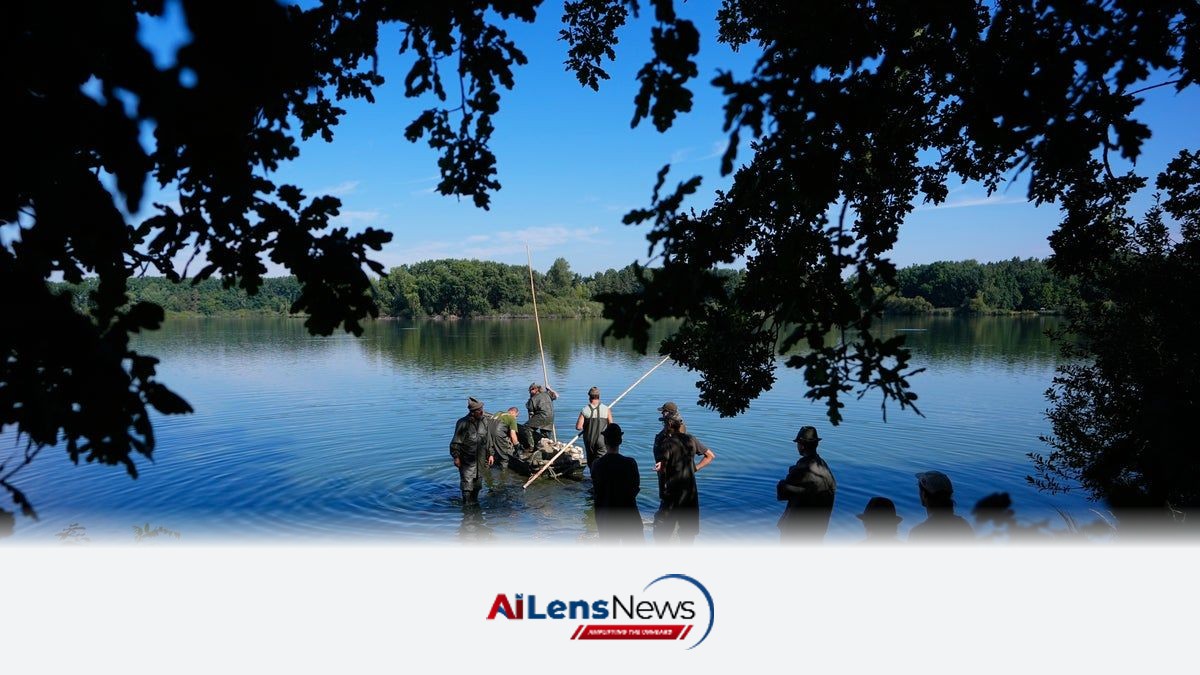



Persistent drought and extreme heat this summer have devastated ecosystems and fishing businesses across Europe, affecting lakes, rivers, and fish farms.
London, United Kingdom Aug 29, 2026 ALN: This summer, Europe has been grappling with severe drought conditions that have not only affected the environment but have also posed significant challenges for local economies, particularly in the fishing industry. The drought has been characterized by persistently low rainfall and extreme temperatures, which have taken a toll on various ecosystems across the continent. Areas such as Slovenia, Serbia, Bosnia, the Czech Republic, Romania, and Hungary have reported alarming decreases in water levels in their rivers and lakes, leading to dire consequences for fish populations and the livelihoods of local fishers.
The Danube River, one of Europe’s longest rivers and a critical waterway for numerous countries, has seen its side channels almost become unrecognizable due to the drought. This has severely impacted the habitats of various fish species, disrupting their breeding and feeding patterns. Fishers who rely on these waters for their daily catch are experiencing a significant decline in fish populations, which has made it increasingly difficult to sustain their livelihoods. Reports from local fishers indicate that their catch has diminished drastically, compelling them to either adapt to new fishing methods or face severe financial hardship.
In Slovenia, the drought has led to the drying up of critical fishing areas that have traditionally supported local fishers. These areas, which are vital for maintaining fish stocks, have become inhospitable due to the lack of water. Fish farms in Bosnia and the Czech Republic are also feeling the strain, as water shortages hinder their ability to maintain healthy fish populations. The situation is further exacerbated by the rising temperatures, which affect the oxygen levels in the water, making it even more challenging for fish to survive.
The implications of this crisis extend beyond just the fishers themselves. Local economies that depend on fishing and related industries, such as tourism and food supply, are also at risk. The decline in fish populations can lead to increased prices for consumers, reduced availability of fresh fish in local markets, and a potential loss of cultural heritage tied to fishing traditions. Communities that have relied on fishing for generations are now facing uncertainty about their future, as the environmental changes brought on by climate change threaten their way of life.
In response to the ongoing crisis, fishers and local communities have begun to call for urgent measures to address the water shortages and protect their livelihoods. They emphasize the need for sustainable water management practices that can help mitigate the effects of extreme weather events. Local governments are being urged to take action by implementing strategies that promote conservation and efficient use of water resources. This could include measures such as improved irrigation techniques, the restoration of wetlands, and the establishment of protected areas to safeguard critical habitats.
Experts warn that without immediate action, the long-term viability of fishing in these regions is at serious risk. The ongoing drought serves as a stark reminder of the interconnectedness of environmental health and economic stability. As communities grapple with the consequences of climate change, the plight of fishers highlights the urgent need for comprehensive policies that address both environmental and economic challenges.
Moreover, the situation calls for a broader discussion about climate resilience and adaptation strategies. As extreme weather events become more frequent and severe due to climate change, it is essential for governments and stakeholders to collaborate on creating frameworks that can help communities adapt to these changes. This includes investing in research and technology to better understand the impacts of climate change on aquatic ecosystems and developing innovative solutions that can enhance the resilience of fish populations and fishing communities.
In conclusion, the severe summer drought affecting European fishers is a multifaceted crisis that underscores the urgent need for sustainable practices and proactive measures. As local fishers continue to face declining catch rates and financial instability, the call for action becomes increasingly critical. The future of fishing in these regions hangs in the balance, and immediate efforts are necessary to ensure that both the ecosystems and the communities that depend on them can thrive in the face of ongoing environmental challenges.
To learn more about the latest developments in Climate Change, stay updated with our exclusive reports and analyses on AILensNews.

A recent study highlights the significant effects of climate change on agricultu…
The recent disaster in Nepal, triggered by a massive mountainside collapse, unde…
A recent study highlights the alarming effects of climate change on food securit…
Severe drought conditions across Europe, particularly in Hungary and Romania, ar…
Climate change poses significant risks to global food security, affecting crop y…