

More
Checking your session
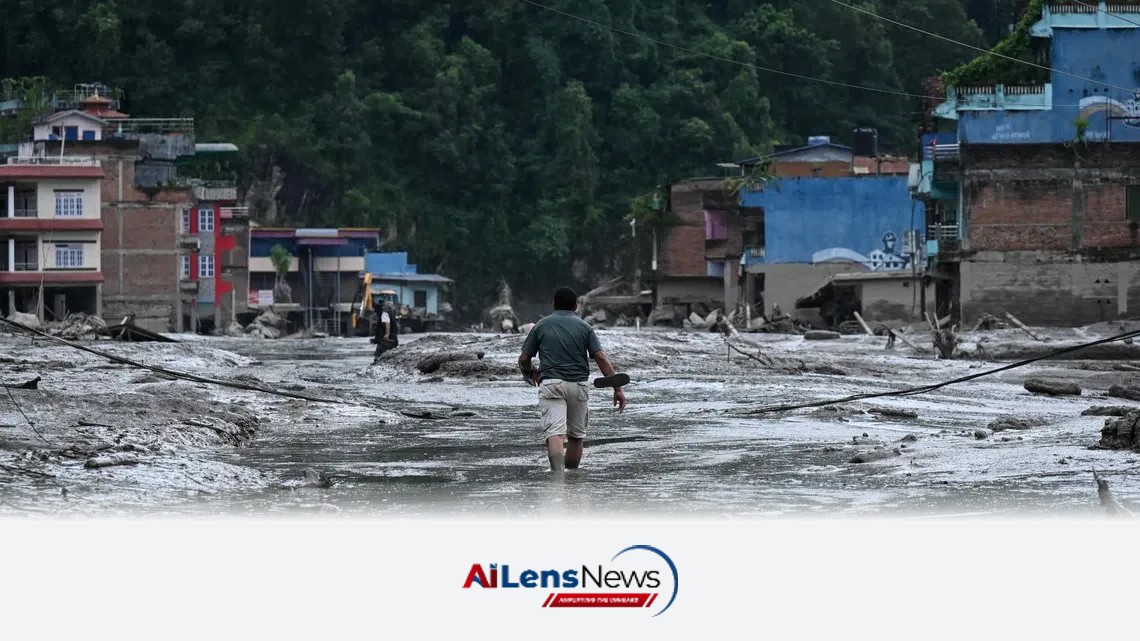



A glacier collapse in Nepal has triggered devastating flash floods, with experts citing climate change and seismic activity as contributing factors.
Singapore, Singapore Aug 27, 2026 ALN: NEW DELHI - A deadly flash flood near Nepal’s border with Tibet on August 26 may have been triggered when the lower part of a glacier broke off and crashed onto the valley floor hundreds of meters below, experts said, citing satellite imagery from Planet Labs. This catastrophic event has drawn attention not only for its immediate impact but also for the broader implications it holds regarding climate change and natural disaster preparedness in the Himalayas.
While the exact cause of the glacier collapse remains unclear, Nepali officials have pointed to an earthquake in the region just minutes prior as a potential factor. Earthquakes can destabilize glaciers, leading to calving events where chunks of ice break off and fall into the valley below. This specific region of Nepal has a history of seismic activity, which raises concerns about the interaction between geological and climatic factors that could lead to such disasters.
Authorities on both sides of the border fear that the total number of casualties will far exceed the nearly 100 bodies that have been recovered so far. The scale of the disaster has left local and national officials grappling with the immediate humanitarian needs while also considering the long-term implications for disaster response strategies in the region. More than 300 travelers are reported missing, according to Nepal’s government, which has prompted a massive search and rescue operation that includes local volunteers, military personnel, and international aid organizations.
Before-and-after satellite imagery reviewed by Reuters shows lush green mountainsides now buried under brown debris and sediment, illustrating the extent of the destruction. The visual evidence underscores the dramatic changes occurring in the landscape, which can be attributed to both the glacier collapse and the subsequent flooding. These changes can have lasting effects on local ecosystems, agriculture, and the livelihoods of those living in the affected areas.
“It’s confirmed that a substantial portion of that glacier snout collapsed to initiate the event, probably including or entraining a fair amount of rock and sediment,” said Vikram Gupta, an expert in engineering geology at Sikkim University in India. This statement highlights the complexity of glacier dynamics and the potential for cascading failures when environmental conditions shift rapidly, as they have been doing in recent years due to climate change.
Earth scientist Dan Shugar, an associate professor at the University of Calgary, noted that the imagery suggests a significant amount of snow had melted in the 24 hours leading up to the disaster. “Some of the glaciers in the valley were covered in snow yesterday, and today they are mostly bare ice. It was probably warm,” he stated. This observation is critical, as it points to the role of rising temperatures in the Himalayas, which have been observed to increase at a rate faster than the global average. Such warming can lead to increased glacier melt, further destabilizing these ice masses and heightening the risk of related natural disasters.
The United Nations reported in 2023 that Nepal’s snow-capped mountains had lost nearly one-third of their ice over the past 30 years due to global warming. The agency emphasized that glaciers in Nepal, situated between two major carbon-emitting countries, are particularly vulnerable to climate change. This loss of ice not only contributes to rising sea levels globally but also affects local water supplies, agriculture, and biodiversity, creating a complex web of challenges for communities dependent on these glaciers.
Experts are increasingly concerned about the rising risks of natural disasters in the Himalayas, particularly as climate change continues to exacerbate conditions. The flash flood has not only caused widespread destruction but has also raised alarm about the future stability of the region. The combination of melting glaciers, seismic activity, and changing weather patterns creates a precarious situation for the millions of people living in and around the Himalayas.
As rescue operations continue, the focus remains on locating the missing travelers and assessing the full extent of the damage. The situation underscores the urgent need for enhanced monitoring and disaster preparedness in vulnerable areas. This includes investing in early warning systems, improving infrastructure resilience, and fostering community awareness about the risks posed by climate change and geological instability.
The implications of this disaster extend beyond immediate recovery efforts. Policymakers and researchers are now faced with the challenge of addressing the underlying issues that contribute to such catastrophic events. There is a growing consensus that climate adaptation strategies must be prioritized, particularly in regions like the Himalayas that are on the front lines of climate change. This includes not only improving local infrastructure but also implementing sustainable land-use practices that can help mitigate the impacts of future disasters.
In conclusion, the recent flash flood in Nepal serves as a stark reminder of the vulnerabilities faced by mountainous regions in the context of global climate change. As the world grapples with the realities of a warming planet, the need for proactive measures to protect both people and the environment in these sensitive areas has never been more urgent. The lessons learned from this tragedy may help shape future policies and strategies aimed at reducing the risks associated with natural disasters in the Himalayas and beyond.
To learn more about the latest developments in Natural Disasters, stay updated with our exclusive reports and analyses on AILensNews.

Following a summer of drought, storms have led to significant flooding in Englan…
A devastating flash flood triggered by a glacial collapse in the Nepal-Tibet reg…

The unprecedented July 2026 floods in Upper Assam highlight the complex interpla…

As the UK experiences record temperatures of 38.1C, Greece battles wildfires fue…

As wildfires rage across England, experts call for government-led initiatives to…