

More
Checking your session
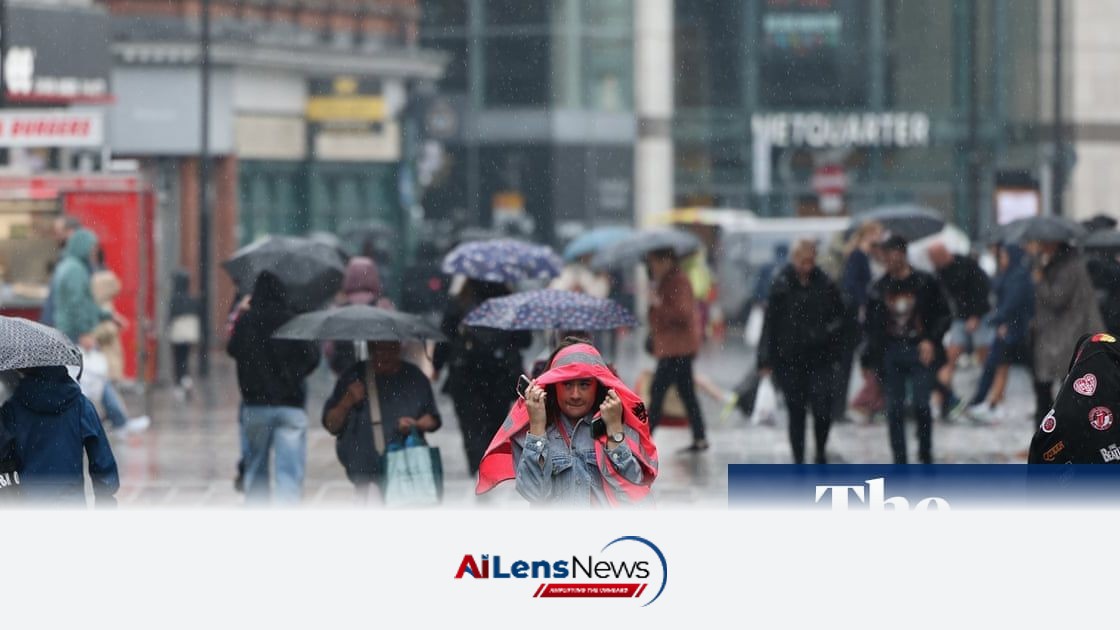



Following a summer of drought, storms have led to significant flooding in England and Wales, prompting multiple flood alerts and damage to homes.
New Delhi, India Aug 27, 2026 ALN: Severe storms have wreaked havoc across England and Wales, causing flooding that has damaged dozens of homes. This weather event follows a summer marked by drought conditions, with the Met Office issuing warnings for thunderstorms and heavy rain. The stark contrast between the heatwaves experienced over the summer and the sudden onset of severe storms highlights the increasingly unpredictable nature of weather patterns in the region.
The Met Office has predicted that thundery showers could result in as much as 75mm of rain falling within just 12 hours in certain areas. The Agency (EA) responded by issuing 40 flood alerts across the Midlands, Yorkshire, and the south-east of England, indicating that flooding is a possibility. These alerts serve as a precautionary measure to inform residents and local authorities about the potential for flooding, allowing them to prepare accordingly.
Among the areas affected, a flood alert was issued for the River Maun at Edwinstowe and Ollerton in Nottinghamshire. The EA reported that river levels at the Mansfield The Dykes gauging station were rising rapidly, putting Old Rufford Road at significant risk. Such alerts are crucial for communities that have previously experienced flooding, as they can help mitigate damage and ensure the safety of residents.
A yellow thunderstorm warning has been put in place for parts of the Midlands, east of England, south of England, the north-west, Yorkshire and Humber, and Wales, lasting until 10 PM on Thursday. Additionally, a second yellow warning will be effective from 5 PM Thursday to 7 AM Friday for Lincolnshire and parts of Yorkshire, Kent, and Medway. These warnings are part of the Met Office's efforts to keep the public informed about severe weather conditions that could lead to hazardous situations.
Climate scientists have consistently warned that global warming is contributing to increasingly volatile weather patterns in the UK. This summer alone has seen five recorded heatwaves, followed now by intense storms and flooding. The correlation between rising global temperatures and extreme weather events is an area of ongoing research, with many scientists emphasizing the need for urgent action to address climate change. The phenomenon of experiencing drought followed by heavy rainfall is a growing concern, as it challenges traditional understandings of seasonal weather patterns.
Residents in Birmingham experienced significant flooding on Wednesday night, with one man describing how he witnessed a “river coming around the corner” before his home was inundated. The EA had previously issued a flood warning for the Perry Barr area, where Staffordshire recorded 60mm of rainfall in just 12 hours. This rapid accumulation of rainwater can overwhelm drainage systems, leading to flash flooding that poses immediate risks to life and property.
The West Midlands fire service responded to flooding incidents at 32 properties near the Tame Valley canal, deploying seven fire engines to assist. Emergency services play a vital role in responding to such incidents, often working around the clock to ensure the safety of affected residents. Ryan Goodwin, a resident whose home was affected, reported that his conservatory was flooded with approximately 3 feet of water, damaging his living room and electrical systems. The impact of such flooding extends beyond physical damage; it disrupts lives and can lead to long-term psychological effects for those affected.
Goodwin recounted his experience, stating, “About 7:30 PM I got home, I was in the car with the kids and I thought I don’t want to get out yet, there’s too many puddles here. Then in a matter of about half an hour it was just a river coming round the corner, all the way down the road.” His account underscores the suddenness with which flooding can occur, catching residents off guard and complicating their ability to respond effectively. The rapid onset of flooding is a characteristic feature of severe weather events, often exacerbated by urban development that limits natural drainage.
He detailed the damage, saying, “It’s gone under the laminate flooring in the front room. The conservatory got flooded, the electrics went off. The conservatory had about 3ft of water – luckily that is below the house level.” The financial burden of repairs can be significant, leading to stress and hardship for families who may already be facing economic challenges. The insurance implications of flooding can also be complex, with many residents unsure of their coverage in the aftermath of such events.
Goodwin's father-in-law, Jay Patel, echoed the alarming speed of the flooding, stating, “[The water] was really, really fast. I couldn’t believe how fast it was.” Such testimonies are not uncommon in flooding events, as many residents express shock at the speed with which water levels can rise, often leaving little time for evacuation or preparation.
The EA reported that despite recent rainfall, 71.3% of England remains in drought, with only 34% of the expected rainfall for August recorded so far. This statistic highlights the ongoing challenges posed by climate variability, where regions may experience both drought and flooding within a short timeframe. Philip Duffy, the agency’s chief executive, emphasized that a few days of wet weather cannot reverse the impacts of several months of exceptionally dry conditions, highlighting the potential for simultaneous drought and flooding as heavy rain falls on compacted soils. This phenomenon is a growing concern for urban planners and al agencies, as it complicates efforts to manage water resources effectively.
As the UK grapples with the implications of climate change, the recent flooding serves as a stark reminder of the urgent need for comprehensive strategies to address both extreme weather events and long-term al sustainability. Policymakers are increasingly called upon to invest in infrastructure improvements, such as enhanced drainage systems and flood defenses, to better prepare for the challenges posed by climate change. Additionally, public awareness campaigns are essential to educate residents about the risks associated with severe weather and the importance of preparedness. The interplay between drought and flooding illustrates the complex challenges facing communities as they navigate an evolving climate landscape, underscoring the need for resilience and adaptability in the face of uncertainty.
To learn more about the latest developments in Natural Disasters, stay updated with our exclusive reports and analyses on AILensNews.

A devastating flash flood triggered by a glacial collapse in the Nepal-Tibet reg…

A glacier collapse in Nepal has triggered devastating flash floods, with experts…

The unprecedented July 2026 floods in Upper Assam highlight the complex interpla…

As the UK experiences record temperatures of 38.1C, Greece battles wildfires fue…

As wildfires rage across England, experts call for government-led initiatives to…