

More
Checking your session
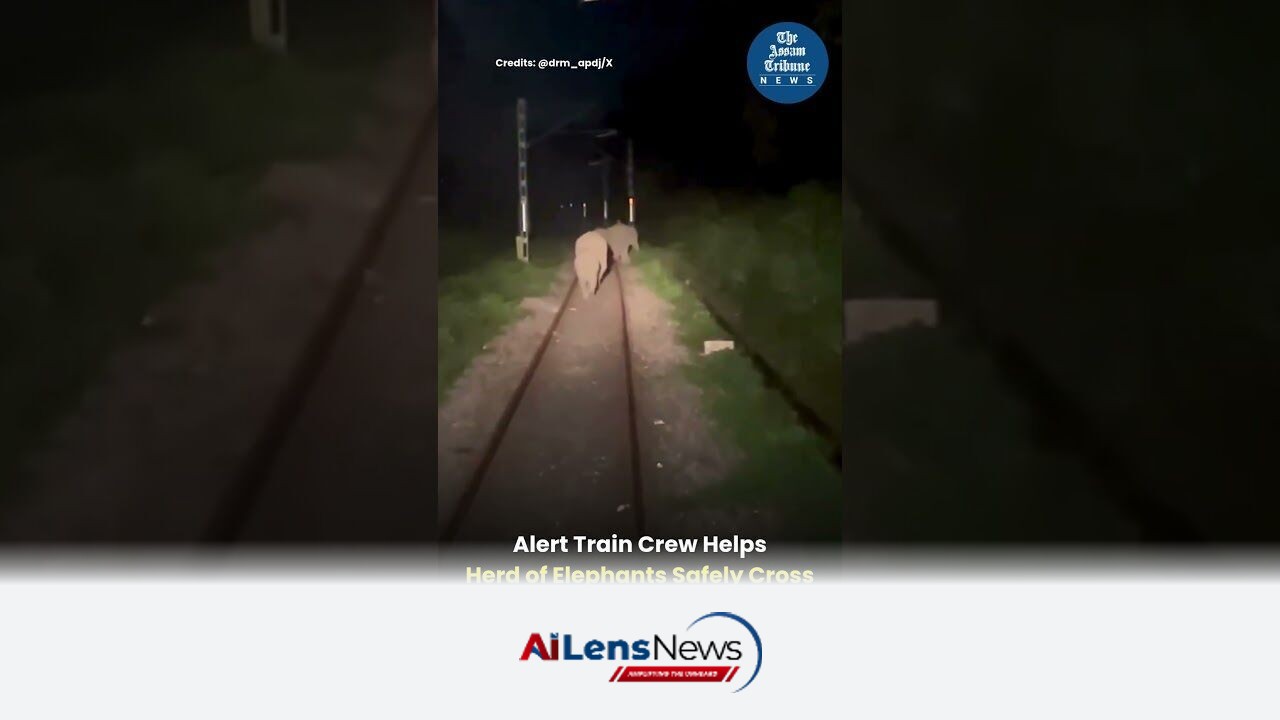



A train crew in West Bengal took swift action to ensure the safe passage of a herd of elephants crossing the railway tracks, preventing a potential disaster.
Kolkata, India Aug 23, 2026 ALN: In a remarkable display of quick thinking and compassion, a train crew in West Bengal successfully assisted a herd of elephants in crossing railway tracks, averting a potential disaster. The incident highlights the ongoing challenges faced by wildlife in areas where human infrastructure intersects with their natural habitats. This situation is not unique to West Bengal; it is a global issue where urban expansion and transportation networks increasingly encroach upon wildlife territories, leading to dangerous encounters between animals and humans.
Late at night, as the train approached a section of track known for frequent wildlife crossings, the crew spotted a herd of elephants making their way towards the railway line. Recognizing the potential danger, they immediately took action to halt the train and ensure the elephants could cross safely. This quick decision not only averted a potential tragedy but also demonstrated the crew's commitment to both passenger safety and wildlife protection.
The train crew's prompt response involved signaling to other trains in the vicinity to stop, thereby creating a safe environment for the elephants. This proactive measure not only protected the animals but also ensured the safety of passengers on board. The crew's actions reflect a growing awareness among railway personnel of the importance of wildlife conservation, particularly in regions where railways intersect with wildlife habitats. Such instances of human intervention can play a crucial role in mitigating the risks associated with wildlife crossings.
Such incidents underscore the importance of wildlife protection and the need for better infrastructure planning that considers animal migration patterns. Elephants, being large and often slow-moving, are particularly vulnerable to train collisions, which can result in fatal outcomes for both the animals and the train passengers. In India, where elephants are a protected species, the government has been urged to take stronger measures to safeguard these majestic creatures. This includes implementing wildlife corridors, creating underpasses or overpasses for animals, and enhancing railway signage to alert train operators of potential wildlife crossings.
The local community has expressed gratitude towards the train crew for their vigilance and care. Such positive feedback is essential in fostering a culture of wildlife conservation among the general public. Efforts to raise awareness about wildlife crossings and the implementation of warning signs near railway tracks are crucial steps in preventing similar incidents in the future. Local wildlife organizations often work alongside railway authorities to educate communities about the importance of respecting wildlife habitats and the need for coexistence.
Despite the goodwill demonstrated by the train crew and local communities, numerous challenges remain in the realm of wildlife conservation in India. Habitat loss due to urbanization, poaching, and climate change are significant threats that continue to endanger elephant populations and other wildlife. The Indian government has recognized these issues and has initiated various programs aimed at protecting endangered species and their habitats. However, the effectiveness of these initiatives often hinges on public support and collaboration between different stakeholders.
In recent years, technological advancements have provided new tools for wildlife protection. For instance, the use of drones for monitoring wildlife movements, and the installation of camera traps to study animal behavior, have become increasingly common. These technologies can help authorities better understand the patterns of wildlife movement and develop more effective strategies for preventing human-wildlife conflicts. Additionally, integrating technology into railway operations, such as automated warning systems that alert train operators of nearby wildlife, could further enhance safety.
This incident serves as a reminder of the delicate balance between human development and wildlife conservation. It emphasizes the need for ongoing collaboration between railway authorities, wildlife organizations, and local communities to ensure the safety of both wildlife and human beings. As infrastructure continues to develop, it is imperative that all stakeholders remain vigilant and proactive in their efforts to protect wildlife. The actions of the train crew in West Bengal exemplify how individual decisions can have a significant impact on the broader goal of wildlife conservation. By fostering a culture of awareness and respect for wildlife, society can work towards a future where both humans and animals can coexist safely and harmoniously.
To learn more about the latest developments in Environmental Policy, stay updated with our exclusive reports and analyses on AILensNews.

A National Trust estate is experiencing a significant hay shortage due to ongoin…

Meghalaya has intensified efforts against illegal industries, demolishing 72 cok…

The government has proposed an Integrated Zonal Waste Processing Centre at Xukiy…

The Indian carbon credit trading market is expected to commence between July and…

A surge in gas-fired power generation in the US, driven by AI datacenter constru…