

More
Checking your session
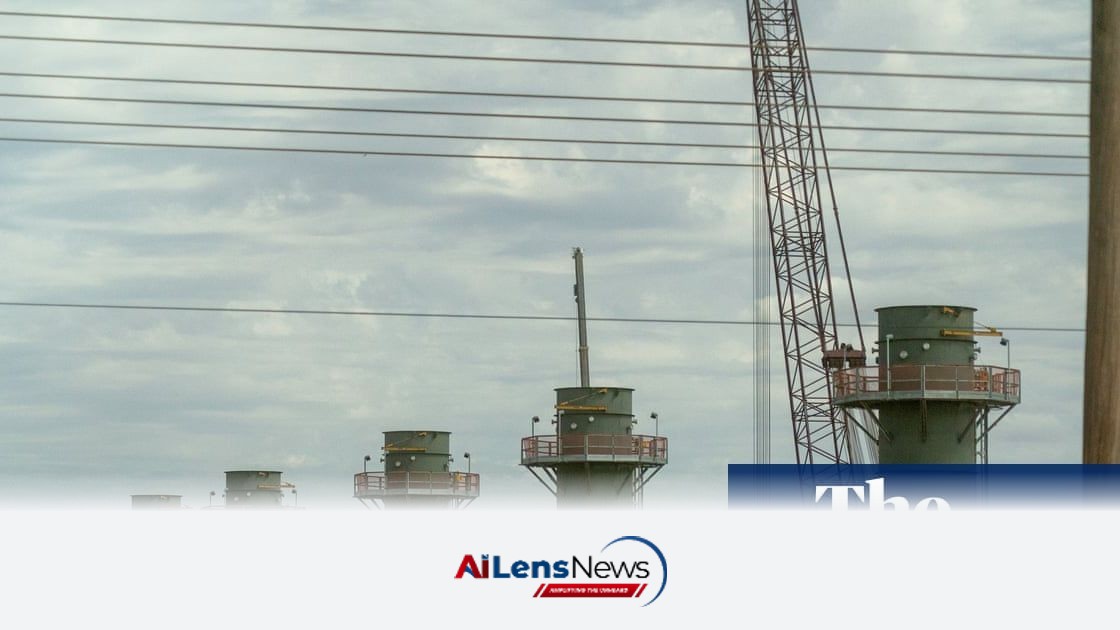



A surge in gas-fired power generation in the US, driven by AI datacenter construction, has led to a significant increase in emissions and capacity.
New Delhi, India Aug 25, 2026 ALN: The United States has recently taken the lead over China in the construction of new gas-fired power generation facilities, primarily driven by a surge in demand for energy from artificial intelligence (AI) datacenters. This trend poses significant al concerns, as it contributes to increased greenhouse gas emissions. The shift in energy production dynamics highlights the evolving landscape of global energy consumption and raises questions about the long-term implications for climate change and energy policy.
For many years, China has been the frontrunner in expanding its gas power generation capabilities, fueled by its rapid economic growth and urbanization. As the world's largest emitter of greenhouse gases, China has actively invested in various energy sources to meet the demands of its industrial sector and growing population. However, a new report from Global Energy Monitor (Gem) indicates that the US is now building gas-fired capacity at a rate twice that of China, marking a dramatic shift in the global energy landscape. This change reflects not only a competitive energy market but also the increasing reliance on gas as a transitional fuel in the face of climate commitments.
According to the report, the US has experienced a staggering 76% increase in gas-fired projects currently under construction in the first half of this year. This surge has resulted in the overall gas power capacity in the US rising from 252 gigawatts (GW) to 378 GW, accounting for approximately one-third of the global total. If all proposed projects are completed, the US could see its gas fleet expand by around two-thirds, with an estimated capital cost exceeding $647 billion. This substantial investment in gas infrastructure raises critical questions about the balance between economic growth, energy security, and al sustainability.
Nearly half of the new gas capacity is directly linked to the burgeoning demand from datacenters, which require substantial electricity to support AI operations. The reliance on gas, a fossil fuel known for its contribution to climate change, instead of renewable energy sources for powering these datacenters is projected to increase US power emissions by as much as 20%. The rapid expansion of AI technologies, which demand significant computational power and energy, has led to an unprecedented surge in datacenter construction. These facilities are often located in areas where energy is readily available, which in many cases means relying on gas-fired power.
Jenny Martos, a project manager at Global Energy Monitor, noted, “Six months ago, China had more gas plants under construction but that has now flipped. There has been an enormous surge in datacenter proposals powered by gas in the past year, and the climate implications of that are huge.” This shift not only emphasizes the growing importance of AI in shaping energy consumption patterns but also highlights the al risks associated with this growth. As AI continues to permeate various sectors, the energy demands are likely to escalate, further straining the existing power infrastructure.
The shift in gas capacity construction comes amid ongoing debates about climate policy and energy dependence. Former President Donald Trump and his administration have often pointed to China's fossil fuel expansion as a reason for the US to maintain its own energy production. However, the rapid growth of AI infrastructure in the US, coupled with the Trump administration's rollback of al regulations, has created a complex scenario where US spending on gas and coal power plants is expected to surpass that of China for the first time in decades, according to the International Energy Agency. This trend could have significant implications for global energy markets and international climate agreements.
As tech giants like Google, OpenAI, and Amazon rush to build new datacenters, there has been a notable backlog of efficient gas turbines. This has led some companies, including Elon Musk's xAI, to resort to using smaller, less efficient turbines, which contribute more to pollution. The reliance on outdated technology not only exacerbates emissions but also raises concerns about the sustainability of energy practices in the tech industry. The urgency to meet AI demands may overshadow the need for cleaner energy alternatives, potentially hindering progress toward a more sustainable energy future.
Growing concerns over climate change, rising energy costs, and water shortages have sparked local opposition to the construction of new datacenters. A recent poll revealed that three-quarters of Americans are opposed to living near a datacenter, a significant increase from previous years. This opposition is often fueled by fears of increased traffic, noise pollution, and the strain on local resources, particularly water, which is essential for cooling datacenters. In response to these concerns, several cities and counties have implemented restrictions on new datacenter projects, with New York becoming the first state to enact a temporary ban on hyper-scale datacenter permits. Such measures reflect a growing awareness of the al impact of energy-intensive facilities and the need for more sustainable development practices.
Despite this backlash, the Trump administration has continued to advocate for the rapid development of datacenters, arguing that they create jobs and generate tax revenue for local communities. Trump has stated, “Frankly, communities that don’t take a datacenter, they’re making a mistake because there’s plenty of communities that want them.” This perspective underscores the tension between local al concerns and the perceived economic benefits of datacenter construction. As communities weigh the pros and cons of hosting such facilities, the conversation around energy production and al responsibility is becoming increasingly critical.
As the US continues to expand its gas-fired power generation capacity, the al implications of this growth, particularly in relation to AI and datacenter construction, remain a critical issue for policymakers and communities alike. The balance between economic development and al stewardship will be pivotal in shaping the future of energy production. As the demand for AI technologies continues to rise, the energy strategies adopted today will have lasting effects on both the economy and the planet, making it imperative for stakeholders to consider the broader consequences of their energy choices.
To learn more about the latest developments in Environmental Policy, stay updated with our exclusive reports and analyses on AILensNews.