

More
Checking your session
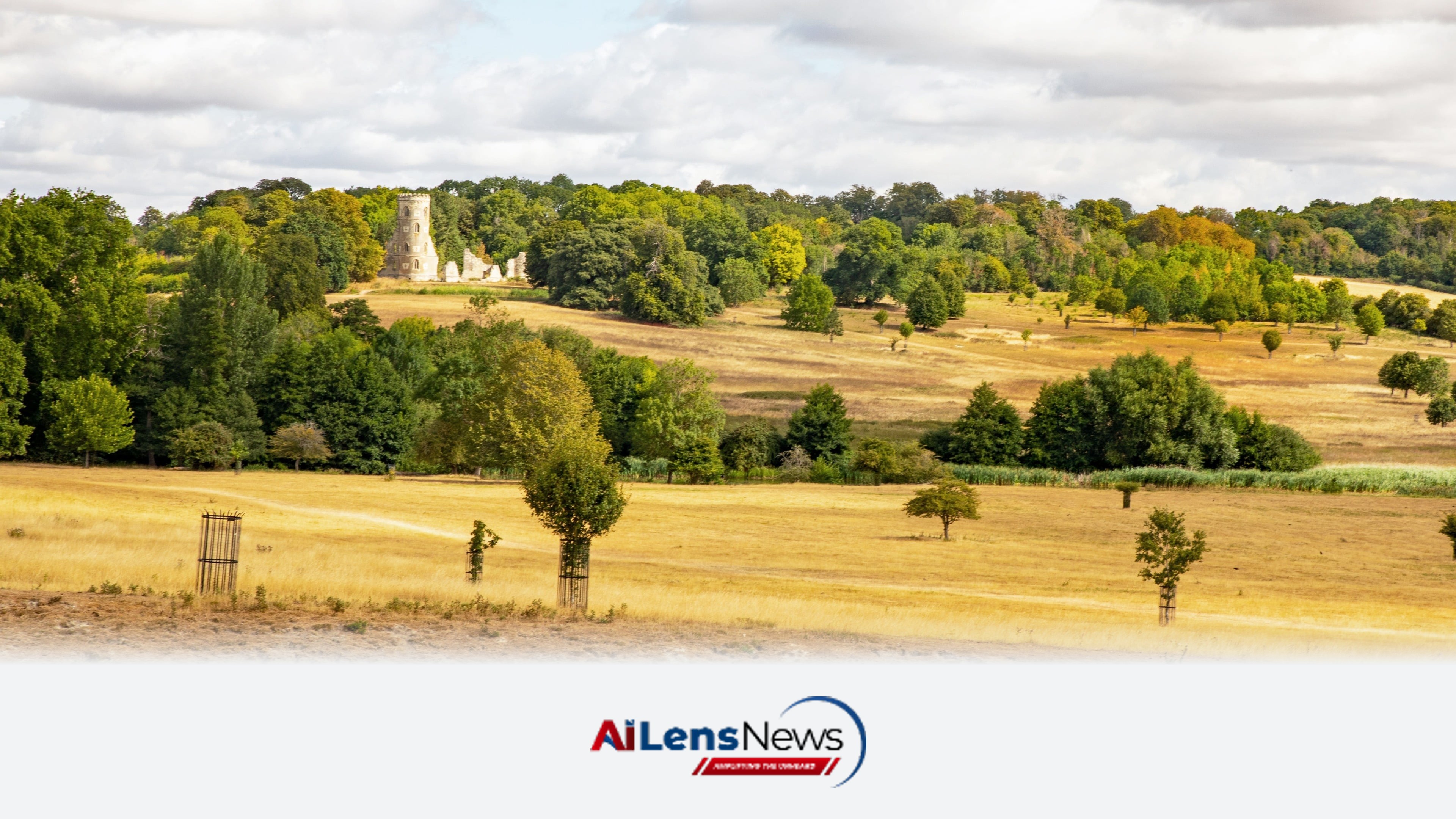



A National Trust estate is experiencing a significant hay shortage due to ongoing drought conditions, impacting livestock and conservation efforts.
London, United Kingdom Aug 27, 2026 ALN: The National Trust estate is currently facing a serious shortage of hay, a situation exacerbated by prolonged drought conditions affecting the region. This shortage poses a significant challenge for the estate's livestock management and conservation efforts. The interplay between agriculture and environmental stewardship is particularly pronounced in this scenario, as both sectors rely heavily on the availability of natural resources such as water and fertile land.
The lack of hay means that farmers and estate managers are struggling to provide adequate feed for their animals. This situation is particularly concerning for those who rely on hay as a staple part of their livestock's diet. The drought has severely limited grass growth, leading to reduced hay yields. Livestock such as cattle, sheep, and horses typically depend on hay during the winter months when fresh pasture is not available. Without sufficient hay, animals may face nutritional deficiencies, which can lead to health issues, decreased productivity, and in severe cases, mortality.
Furthermore, the hay shortage not only affects the immediate health of the livestock but also has economic implications for farmers. The cost of purchasing hay from distant suppliers is likely to rise due to increased demand and transportation costs. This situation can strain the finances of local farmers, many of whom are already dealing with the repercussions of the drought on their operations. The stress on livestock management is compounded by the need for farmers to make difficult decisions regarding culling or selling animals, which can have long-term impacts on their herds and livelihoods.
Beyond immediate livestock concerns, the hay shortage also threatens various conservation projects. The National Trust has been working on initiatives to maintain biodiversity and support local wildlife, which are now at risk due to the lack of resources. These projects often rely on healthy ecosystems, which are directly impacted by the availability of food sources for both domestic and wild animals. For instance, the decline in livestock health can lead to reduced grazing pressure, which may alter plant communities and affect the habitats of various species.
Moreover, many conservation efforts are intricately linked to agricultural practices. Sustainable farming techniques, such as rotational grazing and organic farming, can enhance biodiversity while also providing necessary resources for livestock. The current hay shortage may hinder these practices, leading to a potential decline in both agricultural productivity and ecological health. The National Trust is faced with the challenge of balancing immediate agricultural needs with long-term conservation goals, a task that requires careful planning and resource management.
Local farmers and community members are rallying to address the crisis. Some are sharing resources and collaborating to find alternative feeding solutions for livestock. This community-driven response highlights the resilience and solidarity often found in rural areas during times of crisis. Farmers are exploring various strategies, such as using alternative feed sources like silage or forage crops, which may be more readily available despite the drought conditions.
The National Trust is also exploring partnerships with neighboring farms to source hay and other feed options. By pooling resources and sharing knowledge, local farmers can better navigate the challenges posed by the drought. These collaborations may also foster a sense of community and shared responsibility, which can be vital for long-term sustainability. Additionally, community engagement in these efforts can raise awareness about the importance of sustainable agriculture and conservation practices, potentially leading to more robust support systems in the future.
As the drought continues, the National Trust is assessing the long-term implications of this hay shortage. They are considering strategies to improve water conservation and enhance soil health to mitigate future drought impacts. This proactive approach is essential, as climate change is expected to increase the frequency and severity of droughts in many regions. The organization emphasizes the importance of sustainable practices to ensure the resilience of both agriculture and conservation efforts.
Looking ahead, the National Trust may also explore innovative agricultural technologies and practices that can help farmers adapt to changing environmental conditions. For instance, implementing advanced irrigation systems, drought-resistant crop varieties, and soil management techniques can improve resilience against future droughts. Furthermore, engaging in research and development can provide valuable insights into sustainable practices that benefit both livestock and ecosystems.
The ongoing drought has created a challenging situation for the National Trust estate, highlighting the interconnectedness of agriculture and conservation. As the community comes together to address these challenges, the focus remains on finding sustainable solutions for the future. The current crisis serves as a critical reminder of the need for adaptive management strategies that consider both agricultural productivity and environmental health. By fostering collaboration and innovation, the National Trust and local communities can work towards a more sustainable future, ensuring that both livestock and wildlife thrive in harmony.
To learn more about the latest developments in Environmental Policy, stay updated with our exclusive reports and analyses on AILensNews.

Meghalaya has intensified efforts against illegal industries, demolishing 72 cok…
The government has proposed an Integrated Zonal Waste Processing Centre at Xukiy…

The Indian carbon credit trading market is expected to commence between July and…

A surge in gas-fired power generation in the US, driven by AI datacenter constru…

An analysis reveals that the climate damage from the Rosebank and Jackdaw oil fi…