

More
Checking your session
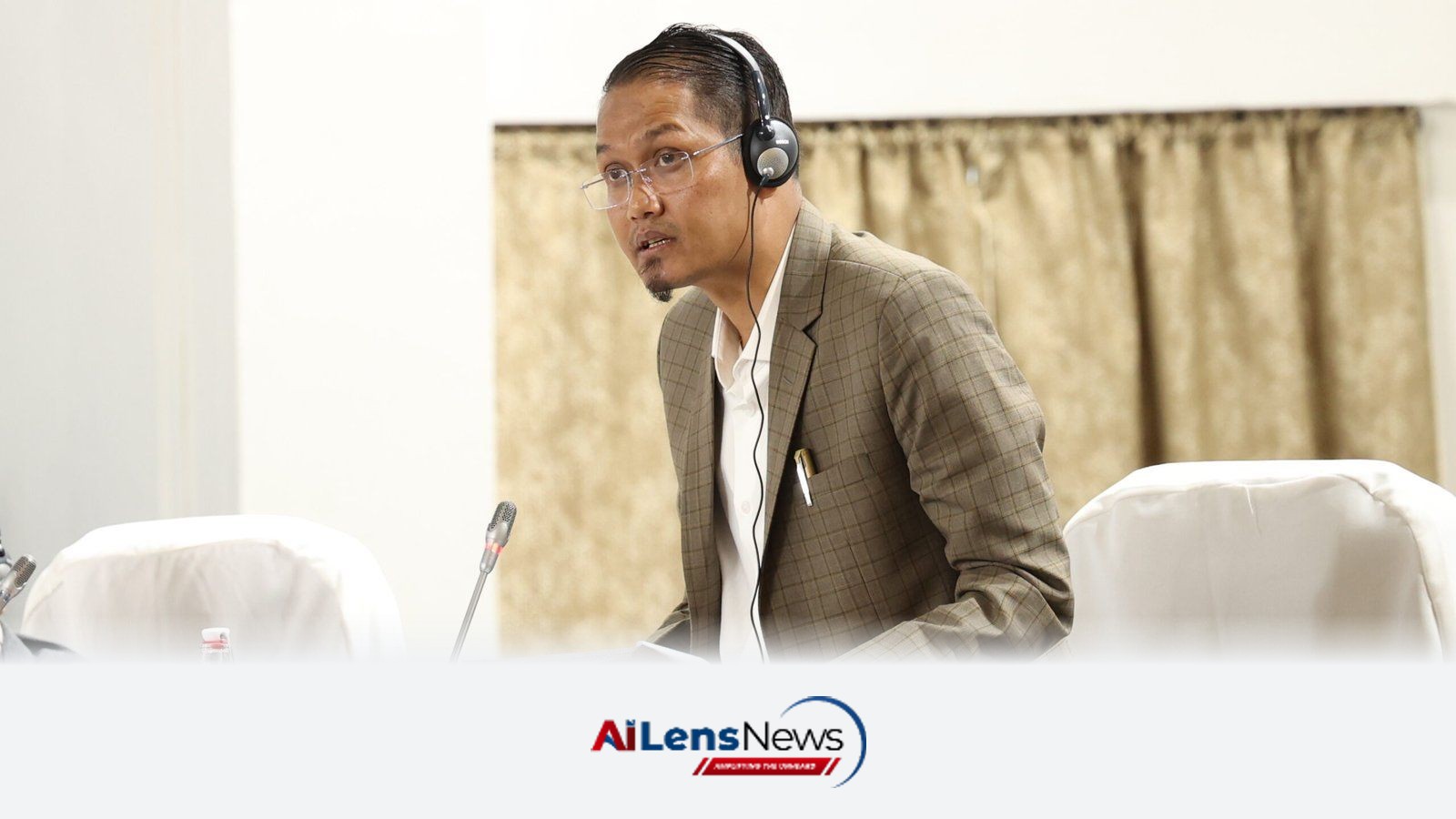



Tura Medical College has only 40 faculty members against a requirement of 97, delaying its first MBBS session. Health Minister Wailadmiki Shylla provided updates on the situation.
Shillong, India Aug 27, 2026 ALN: Tura Medical College, an institution that has been in the planning stages for several years, is currently facing a significant faculty shortage that threatens to delay the commencement of its first MBBS session. As of now, the college has only 40 faculty members out of the mandated strength of 97. This shortage has been brought to light in the Assembly, where Health and Family Welfare Minister Wailadmiki Shylla provided an update on the situation.
Minister Shylla emphasized that while the government is making efforts to operationalize Tura Medical College and Hospital as soon as possible, establishing a definitive timeline for the start of the MBBS program is challenging due to the ongoing faculty shortage. This situation raises concerns not only for prospective medical students but also for the community that has been anticipating the establishment of a medical college in Tura for several years.
The project for Tura Medical College was sanctioned by the central government during the 2017-18 fiscal year, with a budget allocation of Rs 189 crore. The funding structure is such that 90 percent of the financial support comes from the central government, while the remaining 10 percent is provided by the state government. A contract was signed with Telecommunications Consultants India Limited (TCIL) in December 2014 for the design, construction, and supervision of the medical college, which is intended to accommodate 100 MBBS seats. However, the total estimated cost prepared by TCIL was Rs 234 crore, which meant that the state would need to cover the additional expenses beyond the initial budget.
Minister Shylla outlined several challenges that have contributed to the delay in the operationalization of Tura Medical College. One of the primary issues has been land acquisition. The Tura Civil Hospital could not be upgraded due to encroachment issues, which complicated the planning process. An alternative site identified at Balagre was found to be over 17 kilometers away from the hospital, failing to meet the norms set by the Medical Council of India (now replaced by the National Medical Commission). Eventually, land was secured at Doldegre in 2017, and forest clearance was granted in January 2019. However, further progress was impeded by anti-Citizenship Amendment Act protests in 2019 and the Covid-19 pandemic the following year. As it stands, 83 percent of the physical progress of the project has been completed, but the faculty shortage remains a significant barrier to its operationalization.
To offer 50 MBBS seats, Tura Medical College requires a total of 97 faculty members, which includes a mix of professors, associate professors, assistant professors, and other teaching staff. The state government has approved 59 contractual teaching positions, which comprise 14 professors, 20 associate professors, and 25 assistant professors. Despite the urgency of the situation, three rounds of recruitment have been published in five national and three local newspapers, yet the response has not yielded the necessary number of qualified candidates. Additionally, the government has consulted in-service doctors in Garo Hills in an effort to enhance the faculty strength, but as of August 24, Tura Medical College has only managed to secure three professors, three associate professors, 16 assistant professors, 10 tutors or demonstrators, and eight senior residents, totaling just 40 faculty members.
Minister Shylla noted that this current faculty strength is insufficient to meet the National Medical Commission's requirements for operationalization. For context, Shillong Medical College, which also has 50 MBBS seats, currently employs 84 faculty members against the required 97. This disparity highlights the challenges faced by Tura Medical College in attracting and retaining qualified medical educators, which is critical for the successful launch of its MBBS program.
The implications of this faculty shortage extend beyond the immediate concern of delaying the MBBS program. The establishment of Tura Medical College is seen as a crucial step toward improving healthcare access and medical education in the region. The Garo Hills, where Tura is located, has historically faced healthcare challenges, and the introduction of a medical college is expected to address some of these issues by training local medical professionals who are more likely to serve in their communities. However, without a sufficient faculty to guide and educate these future doctors, the potential benefits of the medical college may not be realized.
In conclusion, the situation at Tura Medical College underscores the complexities involved in establishing medical education institutions in India, particularly in regions that may face infrastructural and human resource challenges. As the state government continues to explore solutions to the faculty shortage, stakeholders in the healthcare and education sectors will be watching closely, as the successful operationalization of Tura Medical College could have far-reaching implications for medical education and healthcare delivery in the Garo Hills and beyond.
To learn more about the latest developments in Higher Education, stay updated with our exclusive reports and analyses on AILensNews.

Fifty students have been admitted to the Shillong Government Medical College for…
In a recent discussion, MLA Mehtab Chandee emphasized the need for a broader foc…

Chief Minister Conrad K. Sangma responds to concerns over college deficits in , …
The government has introduced the Umbrella Post Matric Scholarship for Scheduled…
In a recent assembly discussion, MLA Paul Lyngdoh emphasized the urgent need for…