

More
Checking your session
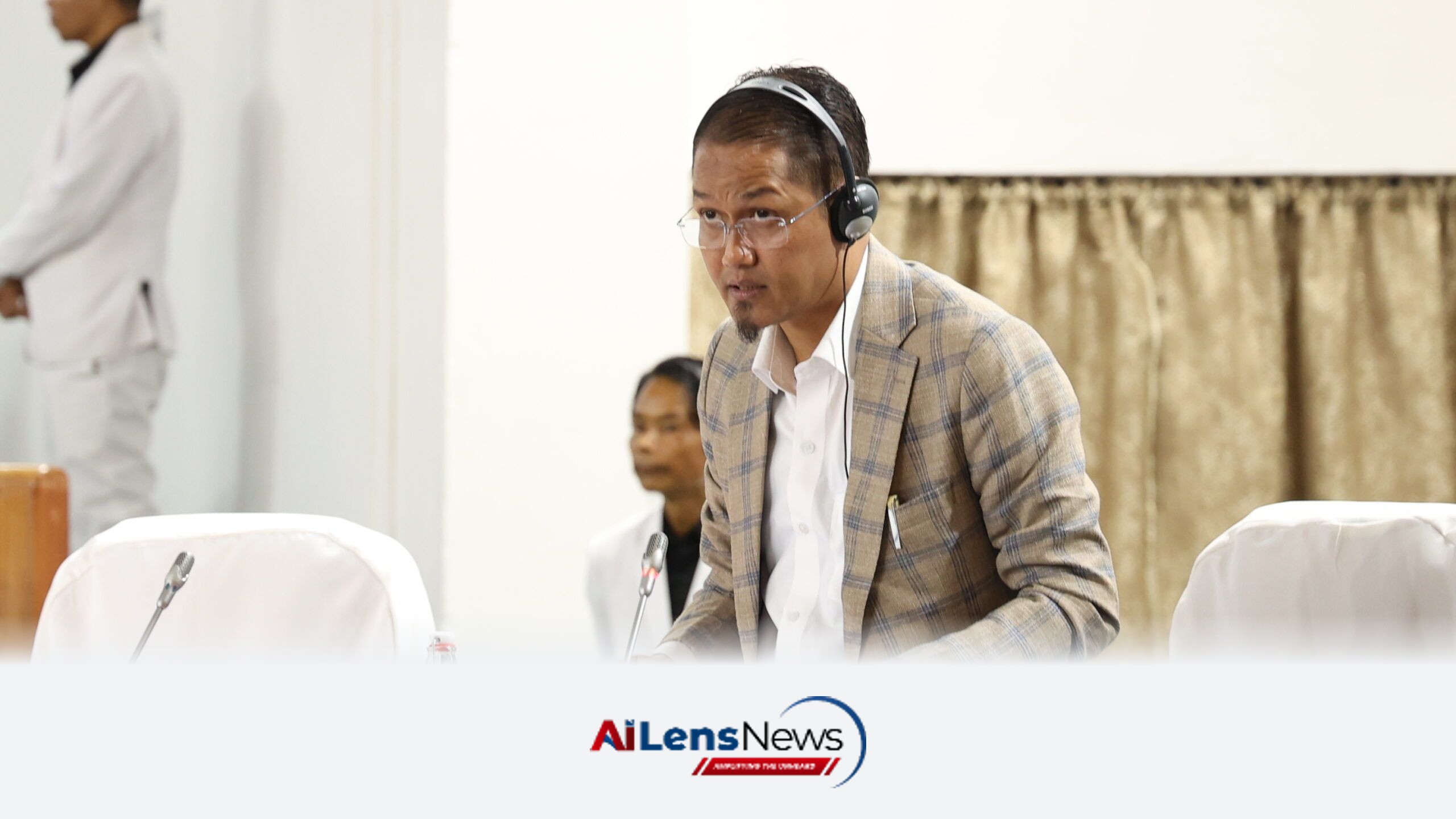



Fifty students have been admitted to the Shillong Government Medical College for its inaugural academic year, as confirmed by Health Minister Wailadmiki Shylla.
Shillong, India Aug 25, 2026 ALN: Fifty students have been admitted in the first academic year of Shillong Government Medical College.
In a reply to a question by Leader of Opposition Mukul Sangma in the Assembly, Health and Family Welfare Minister Wailadmiki Shylla on Tuesday stated that the intake is 50 students and the college is set to commence operations from the academic year 2025-26.
The minister elaborated that the government has sanctioned a total of 179 positions for the medical college. This includes key administrative roles such as Director, Dean, Medical Superintendent, Chief Administrative Officer, Clinical Psychologist, Statistician, and Chief Accounts Officer-cum-Financial Advisor.
In terms of faculty, the college will employ 17 Professors, 27 Associate Professors, 41 Assistant Professors, 40 Senior Residents, 22 Junior Residents, and 25 Tutors/Demonstrators.
This initiative marks a significant step in enhancing medical education in the region, aiming to address the growing demand for healthcare professionals.
The establishment of Shillong Government Medical College is part of a broader effort by the Indian government to improve healthcare education and services, especially in underserved areas. The northeastern region of India has historically faced challenges in healthcare accessibility and quality, which has been exacerbated by a shortage of trained medical professionals. By admitting 50 students in its inaugural year, the college aims to contribute to the local healthcare workforce, which is crucial for meeting the health needs of the population.
Medical colleges in India have become increasingly important as the country grapples with a rising population and a corresponding need for healthcare services. The World Health Organization recommends a minimum of 1 doctor for every 1,000 people to ensure adequate healthcare coverage. However, India currently faces a significant shortfall in this regard, particularly in rural and semi-urban areas. The introduction of Shillong Government Medical College is expected to help bridge this gap by training local students who are more likely to serve in their communities after graduation.
In addition to addressing the shortage of healthcare professionals, the establishment of this medical college is also anticipated to stimulate local economies. Medical colleges often serve as hubs of activity, generating employment not only for faculty and administrative staff but also for support services such as housing, food, and transportation. This can lead to improved infrastructure and increased investment in the region, further enhancing the quality of life for residents.
Furthermore, the college's faculty structure indicates a comprehensive approach to medical education. By employing a diverse range of educators, including Professors and Tutors, the college aims to provide a robust educational experience that combines theoretical knowledge with practical skills. This is essential in medical training, where hands-on experience is critical for developing competent healthcare providers.
Moreover, the inclusion of roles such as Clinical Psychologist and Statistician highlights the college's commitment to a holistic approach to healthcare education. Mental health is increasingly recognized as a vital component of overall health, and having trained professionals in this area will enhance the college's ability to produce well-rounded graduates who can address various aspects of patient care.
As the college prepares to open its doors in 2025-26, it will also need to establish partnerships with local hospitals and healthcare facilities. These partnerships are crucial for providing students with clinical exposure and practical training, which are essential components of medical education. Collaborations with existing healthcare institutions can facilitate internships and residencies, allowing students to gain real-world experience that will be invaluable in their future careers.
In conclusion, the admission of 50 MBBS students to Shillong Government Medical College represents a significant milestone in the region's journey towards improved healthcare education and services. As the college gears up for its inaugural academic year, it not only aims to train future healthcare professionals but also seeks to contribute positively to the local economy and community health outcomes. The implications of this initiative extend beyond immediate educational benefits, potentially transforming the healthcare landscape in Shillong and surrounding areas for years to come.
To learn more about the latest developments in Higher Education, stay updated with our exclusive reports and analyses on AILensNews.