

More
Checking your session
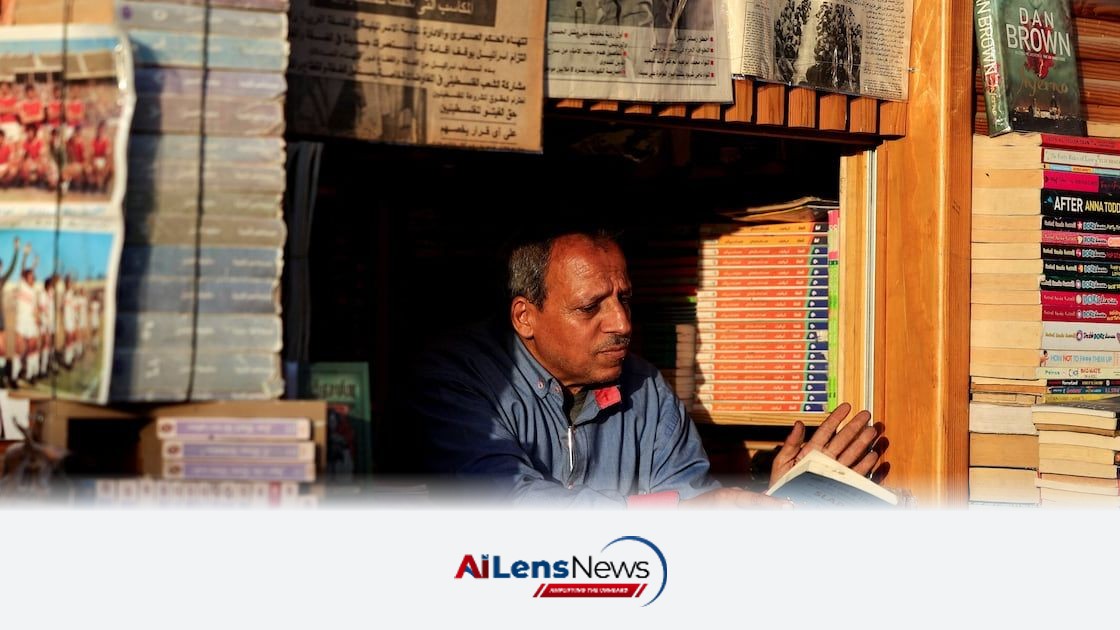



The popular cartoon character has become a vehicle for political satire in Egypt, raising questions about the motives behind online groups recreating his world.
Riyadh, Saudi Arabia Aug 27, 2026 ALN: SpongeBob SquarePants, the beloved animated character from the Nickelodeon franchise, has unexpectedly found himself at the center of a significant political debate in Egypt. This development has sparked discussions about the intersection of popular culture and political expression, particularly in an environment where free speech is often constrained. The animated series, which follows the adventures of SpongeBob and his friends in the fictional underwater city of Bikini Bottom, is being utilized by a Facebook group as a platform for political satire, reflecting the frustrations of many Egyptians regarding current socio-economic issues.
The controversy began when a Facebook group titled “Complaints of the People of Al Hamour Bottom” was created, rapidly amassing nearly two million members within a matter of days. This group employs AI technology to recreate SpongeBob SquarePants and his underwater world, allowing users to engage in a unique form of political commentary. By mirroring the aesthetics of popular simulation games like The Sims, participants can contribute their own narratives and criticisms, effectively transforming a playful setting into a space for serious discourse on pressing national issues.
The group's use of satire has struck a chord with many Egyptians, who are grappling with a myriad of challenges, including rising living costs, inflation, and social injustices. One notable post features an illustration of an agitated crowd surrounding city officials, holding banners that express their dissatisfaction with high rents and soaring prices. This imagery resonates deeply in a country where economic hardships have become a daily reality for many citizens. Other posts address issues such as the pervasive traffic congestion in urban areas and the rising costs of staple foods, like black-eyed beans, which are an essential part of the Egyptian diet.
Additionally, the group has not shied away from addressing sensitive social issues, including the harassment of women in public spaces and the skyrocketing prices of housing. By framing these serious topics within the context of a beloved children's show, the group has managed to capture the attention of a wide audience, encouraging discussions that might not occur in more traditional political forums.
In a video clip that has gained significant traction online, a teenage girl claiming to be one of the group's administrators defended their initiative. She expressed disbelief at the level of scrutiny directed at their group, insisting that they should not be held accountable for the political content shared by members in spin-off groups. Her call for freedom of expression and enjoyment in the face of political challenges resonates with many young Egyptians who seek outlets for their frustrations.
As the group's popularity surged, so did the scrutiny surrounding its motives. Pro-government commentators and social media users have raised suspicions about the underlying intentions of the group, suggesting that it may be linked to the Muslim Brotherhood, a political organization that was ousted from power in Egypt following the 2013 uprising. This narrative reflects the broader tensions in Egyptian society, where political dissent is often met with suspicion and allegations of extremism. The fear of political retribution has led many citizens to tread carefully when expressing their views, particularly in public forums.
The emergence of this Facebook group highlights the complex dynamics of political expression in Egypt, where satire and humor can serve as powerful tools for social commentary. However, it also underscores the risks involved in utilizing such platforms for political discourse. The government has historically viewed political satire with suspicion, often perceiving it as a challenge to authority. This has led to crackdowns on dissenting voices and increased censorship, raising concerns about the future of free expression in the country.
The ongoing discussions surrounding the SpongeBob SquarePants group reflect a broader trend in which popular culture intersects with political discourse. In many ways, the group serves as a microcosm of the frustrations felt by a generation of Egyptians who are grappling with economic hardships and seeking avenues for expression in an increasingly restrictive environment. As the national conversation continues to evolve, it remains to be seen how the government will respond to this form of political engagement and whether it will attempt to stifle or embrace the creativity of its citizens.
In conclusion, the phenomenon of SpongeBob SquarePants being used as a vehicle for political satire in Egypt illustrates the power of popular culture in shaping public discourse. It raises important questions about the role of humor and creativity in political expression, particularly in societies where traditional avenues for dissent are limited. As this situation unfolds, it will be crucial to monitor the reactions from both the public and the government, as they will likely have significant implications for the future of political dialogue in Egypt.
To learn more about the latest developments in Visual Arts, stay updated with our exclusive reports and analyses on AILensNews.
Yayoi Kusama, the avant-garde artist celebrated for her polka dots and pumpkin s…
Japanese artist Yayoi Kusama has passed away at 97, leaving behind a remarkable …

For the Rabha community in Assam, the Indian Black Earth Tiger Spider is not jus…
TEHRAN – The play “The Suicide Shop,” based on the book by French novelist Jean …
British artists in the 18th century portrayed India as an exotic land, reshaping…