

More
Checking your session
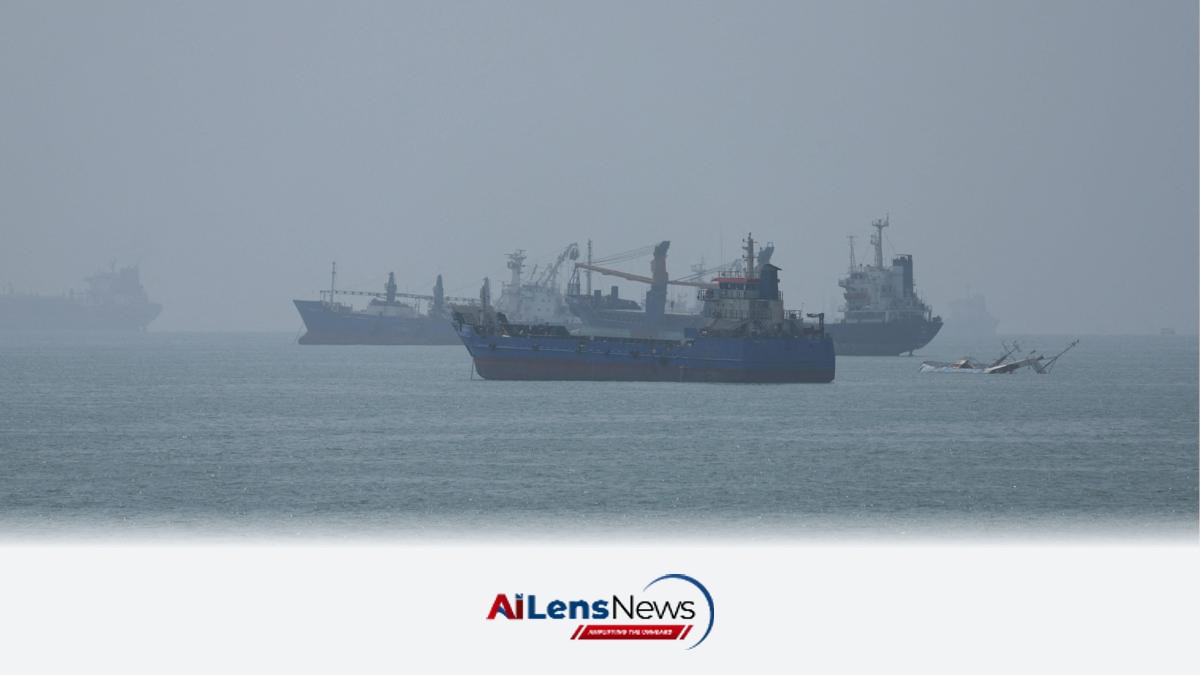



The US has conducted its first known strike on Iranian targets since July, targeting launchers on Larak Island, escalating tensions in the region.
New Delhi, India Aug 31, 2026 ALN: US forces have struck two Iranian launchers on Iran's Larak Island, a US official confirmed, marking the first known American strikes on Iran since late July.
According to US Central Command (Centcom) spokesman Cdr Tim Hawkins, "Islamic Revolutionary Guard Corps (IRGC) forces were observed preparing to launch rockets with sea mines into the Strait of Hormuz." This attack has raised significant concerns regarding the ongoing tensions in the region, particularly given the strategic importance of the Strait of Hormuz, which is one of the ’s most crucial maritime chokepoints for oil transportation.
The IRGC reported that the US strike resulted in casualties, claiming that several people were killed and wounded, and vowed to take "response and punishment." Following the attack, Iranian state media indicated that the IRGC had launched retaliatory strikes on US military targets in Jordan. This escalation is indicative of the increasingly hostile exchanges between the US and Iran, which have been marked by a series of confrontations over the past few years.
Jordan's military later confirmed that it had intercepted eight missiles aimed at its territory, stating, "Air defense systems intercepted eight missiles that breached the Kingdom's airspace at dawn today, Monday." This incident underscores the escalating military confrontations between the US and Iran, as well as the wider implications for regional stability. Jordan's involvement in this conflict highlights the broader geopolitical ramifications, as neighboring countries may find themselves drawn into the conflict due to their proximity and alliances.
The US strike is particularly notable as it is the first known attack on Iran since President Donald Trump paused military operations in late July. Larak Island, located near the strategic port of Bandar Abbas, is situated on the Strait of Hormuz, a crucial waterway for global shipping. The island's strategic location has made it a focal point for military activities and a potential flashpoint for conflict, especially given Iran's historical use of the area to exert control over maritime traffic.
Reports indicate that Iran has been enforcing checks on tanker traffic passing by Larak Island, allegedly demanding payments of $2 million for vessels to cross. This development has raised alarms among international shipping companies and governments, as it represents a significant escalation in Iran's tactics to challenge US presence in the region. Hossein Mohebbi, the IRGC's spokesman, condemned the US attack as a "strategic and fatal mistake by the Trump regime," warning that the "enemy will pay the consequences of this miscalculation in both the economic and military fields." This rhetoric reflects the deep-seated animosity that has characterized US-Iran relations since the 1979 Iranian Revolution and the subsequent US sanctions against Iran.
Iran's Tasnim agency, linked to the IRGC, reported that the US attack was carried out using drones, resulting in two fatalities and injuries to two others. In a swift response, Iranian media reported that the IRGC targeted US bases in Jordan, claiming to have inflicted "heavy damage" on technical infrastructure and maintenance facilities. This cycle of retaliatory strikes illustrates the precarious nature of military engagements in the region and raises concerns about the potential for a broader conflict that could draw in multiple nations.
President Trump had previously stated that all mines placed by Iran in the Strait of Hormuz had been detonated or removed, warning that any new mines would lead to destruction. Iran's Deputy Foreign Minister Kazem Gharibabadi dismissed Trump's claims as "propaganda" and a deceptive narrative. This exchange highlights the ongoing war of words between the two nations, with each side attempting to shape the narrative to bolster their domestic and international standing.
As tensions continue to escalate, the situation in the region remains precarious, with both sides preparing for potential further confrontations. The US military has maintained a significant presence in the Middle East, and recent events may lead to increased military readiness and strategic positioning in response to Iranian actions. Moreover, the implications of these developments extend beyond the immediate military engagements; they may also affect global oil prices, shipping routes, and diplomatic relations among regional powers.
Furthermore, the ongoing conflict poses a challenge for international diplomacy, as various countries attempt to mediate tensions while navigating their own interests in the region. The United Nations and other international bodies have expressed concern about the potential for conflict, urging both sides to exercise restraint and engage in dialogue. However, with each side seemingly entrenched in its position, the likelihood of a peaceful resolution appears increasingly distant.
In conclusion, the recent US strikes on Iranian launchers on Larak Island represent a significant escalation in the already fraught relationship between the two nations. As both sides prepare for potential retaliatory actions, the international community watches closely, aware that any miscalculation could lead to a wider conflict with far-reaching consequences for regional and global stability.
To learn more about the latest developments in International Politics, stay updated with our exclusive reports and analyses on AILensNews.
A ferry carrying nearly 270 people capsized off northern Cyprus, resulting in at…

Milo Yiannopoulos, the controversial right-wing commentator, has been deported f…

A Russian drone attack on a weapons depot near Kyiv has resulted in 37 fatalitie…

Sheikh Mohammed bin Abdulrahman Al Thani's visit to Iran marks a significant dip…

Sheikh Mohammed bin Abdulrahman bin Jassim Al Thani's visit to Tehran aims to ad…