

More
Checking your session
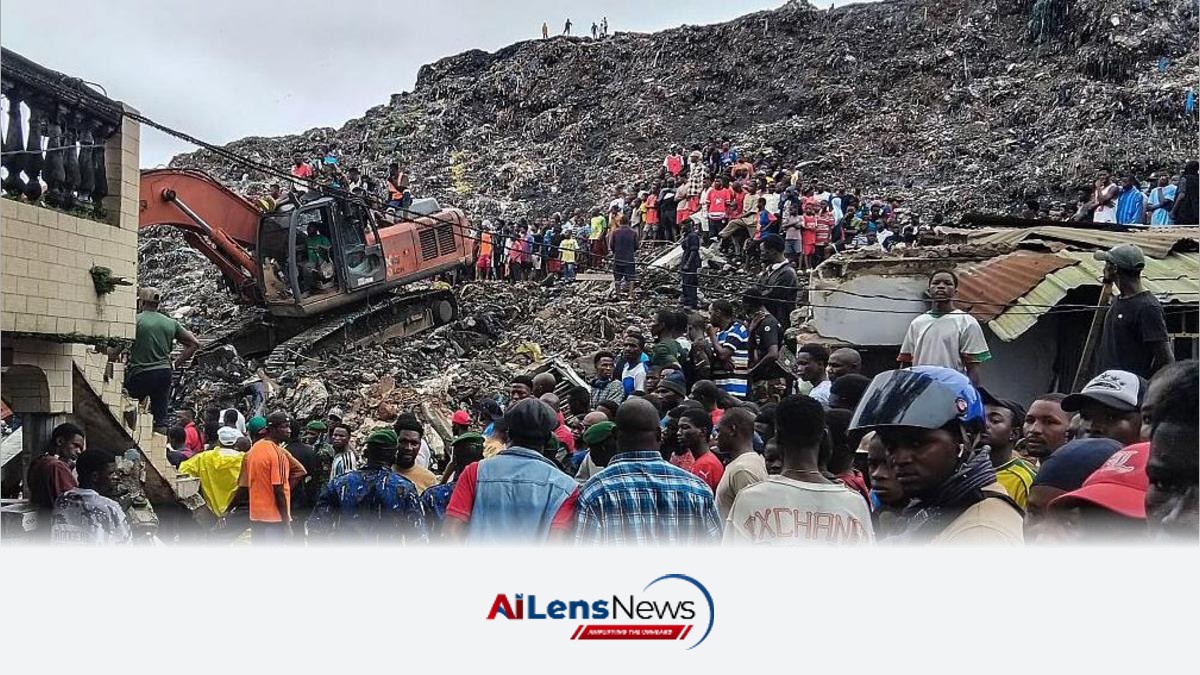



A rubbish mound in Conakry collapsed onto homes, resulting in at least 30 fatalities and numerous injuries. Rescue efforts are ongoing.
New Delhi, India Aug 23, 2026 ALN: At least 30 people have been killed after a mound of rubbish at a major waste site collapsed on to nearby homes in Guinea's capital Conakry, the government has said.
Another 22 people were injured, including six seriously, in the city's Dar-es-Salam area. The tragedy has drawn attention to the ongoing issues surrounding waste management and urban planning in Guinea, particularly in rapidly growing urban areas like Conakry.
The collapse occurred around 02:00 local time, following heavy rain that had fallen overnight. Such weather conditions can exacerbate the instability of improperly managed waste sites, making them prone to landslides. The government's response included deploying "significant" resources and personnel, including military units, to search for survivors amid the debris. This mobilization reflects the urgency of the situation and the potential for further casualties as rescue operations continue.
Eyewitness accounts from the scene have been harrowing. One woman, who spoke with local media, recounted the devastating loss of her five children in the disaster, illustrating the human cost of such tragedies. As rescue efforts progressed, there were fears that the death toll could rise, given the chaotic nature of the collapse and the number of individuals still unaccounted for.
Rescue teams were seen using excavators to sift through a mountain of scattered rubbish, while local residents gathered nearby, anxiously waiting for of missing loved ones. The emotional toll on the community is significant, as families grapple with the aftermath of this disaster. Neighbourhood leader Lancine Sylla expressed his concerns about the potential for a heavy death toll, stating, "We have pulled out 18 bodies that were taken to the morgue," a grim indication of the scale of the tragedy.
This incident is not an isolated one; it highlights a broader issue of waste management in Conakry, where rapid urbanization has outpaced the development of infrastructure to manage waste effectively. The city has struggled with inadequate waste disposal systems for years, leading to the accumulation of rubbish in areas that are often close to residential neighborhoods. The 2017 landslide at the same site, which resulted in the deaths of 10 people, serves as a stark reminder of the dangers posed by such waste sites and the urgent need for reform.
Guinea, like many countries in West Africa, faces challenges related to urban planning and environmental management. The lack of effective waste management systems not only poses risks to public health but also creates hazardous living conditions for residents, particularly in low-income areas where infrastructure is lacking. The government’s response to this incident may prompt discussions about improving waste management practices and investing in safer, more sustainable solutions.
In the wake of the collapse, officials are likely to face scrutiny regarding their preparedness for such disasters. Questions will arise about the regulatory measures in place to monitor waste sites and the effectiveness of emergency response plans. Local and international observers may call for a comprehensive review of waste management policies and urban planning strategies to prevent similar tragedies in the future.
As the search for survivors continues, the community is left to mourn the loss of life and grapple with the implications of this disaster. The emotional and psychological impacts on families who have lost loved ones will be profound, necessitating support and resources to help them cope in the aftermath.
In conclusion, the tragic landfill collapse in Conakry serves as a wake-up call regarding the urgent need for improved waste management and urban planning in Guinea. The loss of life is a stark reminder of the vulnerabilities faced by communities living in proximity to poorly managed waste sites. Moving forward, it will be crucial for the government and local authorities to take decisive action to address these systemic issues and ensure the safety and well-being of their citizens.
To learn more about the latest developments in Global Disasters & Emergencies, stay updated with our exclusive reports and analyses on AILensNews.

Massive floods and landslides have struck the Nepal-Tibet border, resulting in s…

Rescue teams in Indonesia are working tirelessly to locate survivors after a 7.7…

A powerful 6.8 magnitude earthquake has struck Kyushu, Japan, resulting in at le…

Over 330,000 people have been evacuated due to wildfires in France and Spain, wi…

Severe wildfires in France and Spain have forced over 250,000 people to flee, wi…