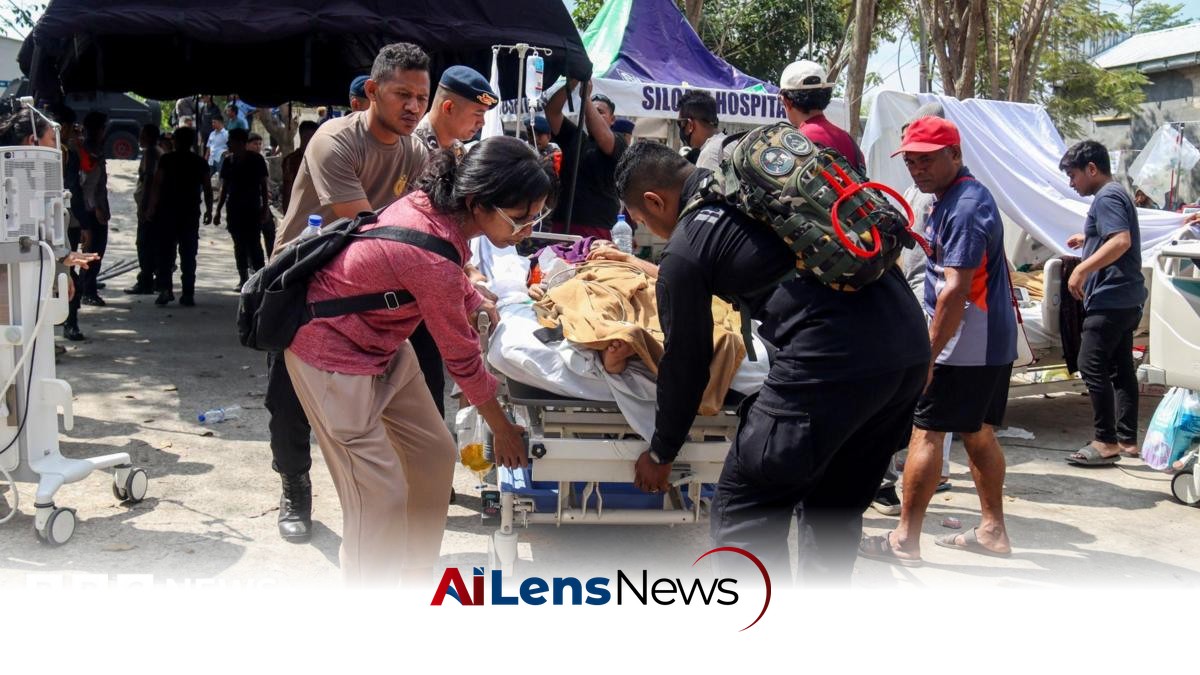


Rescue teams in Indonesia are working tirelessly to locate survivors after a 7.7 magnitude earthquake struck Flores, claiming at least 47 lives and causing extensive damage.
New Delhi, India Aug 16, 2026 ALN: Rescue teams in Indonesia have been searching for survivors of Saturday's major earthquake which left at least 47 people dead.
The magnitude 7.7 quake struck the island of Flores shortly before 05:00 (22:00 GMT on Friday) and had a depth of 15km, according to Indonesia's meteorology and geophysics agency. This earthquake is part of Indonesia's ongoing struggle with seismic activity, as the country is situated on the Pacific Ring of Fire, an area known for its high levels of tectonic activity, including earthquakes and volcanic eruptions.
Preliminary reports indicate that hundreds of buildings have been severely damaged by the quake and the dozens of aftershocks that followed. The aftershocks can often exacerbate the damage caused by the initial quake, complicating rescue efforts and increasing the risk to survivors and rescue teams alike. As rescue operations continue, the full scale of the disaster is still unclear, and a second earthquake of magnitude 6.9 at the other end of Indonesia served as a reminder of the region's geological volatility.
Tremors from Saturday's powerful earthquake were reportedly felt by residents as far west as Bima Regency and City, the National Disaster Management Agency (BNPB) stated. However, the Manggarai province is among the most affected areas, with initial assessments indicating that 24 fatalities had been recorded there. Meanwhile, 17 deaths were recorded in East Manggarai province, three in Sikka province, and at least one in each of the Ngada, Ende, and West Manggarai provinces. These figures reflect the widespread impact of the earthquake across multiple regions, highlighting the challenges of coordination in disaster response across different localities.
At least two others had been seriously injured and 11 slightly injured, according to the BNPB. The agency has been working diligently to assess the situation and provide aid to those affected. As part of this response, aid was being sent to the affected areas with 10,500 packages arriving at the base operations so far. The logistics of delivering aid to remote and mountainous regions, which often have limited access due to damaged infrastructure, poses significant challenges for rescue and recovery efforts.
It will take time to assess the full extent of the destruction in the region, which is remote and mountainous. Initial reports indicate that more than 150 houses had been severely damaged, as well as dozens of educational institutions, several healthcare facilities, places of worship, offices, and various other public facilities. The damage to educational and healthcare facilities is particularly concerning, as these are critical for the long-term recovery and well-being of the affected communities.
Video footage taken at the port in Maumere, the largest town in Flores, showed large chunks of concrete breaking off the terminal building onto passengers waiting to board an inter-island ferry. Some individuals were thrown into the sea when the gangway to a ship collapsed. This incident underscores the immediate dangers posed by earthquakes, not only through the tremors themselves but also through the potential for secondary disasters such as structural collapses.
Emanuel Melkiades Laka Lena, governor of East Nusa Tenggara province, reported that many victims were killed in their sleep by collapsing rubble. This tragic outcome highlights the unpredictable nature of earthquakes and the need for effective early warning systems. Others, like Arnold Welianto, who lives in Talibura, a village near the coastline in Sikka, East Nusa Tenggara, were shaken out of their beds. "I was startled awake and immediately went to my child's room," he recounted, illustrating the personal impact of such disasters on families.
In the aftermath of the earthquake, many residents fled into the hills due to fears of a tsunami, especially after the sea receded significantly. While a tsunami warning was initially issued, leading some 2,000 people to self-evacuate, it was lifted around three hours after the initial jolt when no significant sea level rise was detected. The quick lifting of the tsunami warning was a relief for many, but it also reflects the anxiety and uncertainty that earthquakes can instill in coastal communities.
Landslides, however, did block access to some villages, complicating rescue efforts. Experienced rescue teams worked tirelessly throughout the day to free those trapped under the rubble, demonstrating the resilience and commitment of local emergency services. In Ruteng, a temporary medical tent was assembled outside of a hospital to treat earthquake victims, highlighting the urgent need for medical assistance in the wake of such disasters.
The ongoing advice from the BNPB is for people to remain calm and to stay away from coastal areas and structures showing signs of damage. This guidance is crucial as residents navigate the aftermath of the quake and the potential for further seismic activity. Indonesia's susceptibility to natural disasters necessitates ongoing public education about safety measures and preparedness.
Indonesia is prone to earthquakes and volcanic activity, lying along the meeting point of three major tectonic plates. This geological setting not only makes the region vulnerable to earthquakes but also to volcanic eruptions, which can further complicate disaster response efforts. The Indonesian government has invested in improving disaster preparedness and response mechanisms, but the frequency and severity of seismic events continue to test these systems.
In light of this recent earthquake, discussions around disaster preparedness, infrastructure resilience, and community education are likely to intensify. As rescue operations continue and recovery efforts begin, the focus will shift to rebuilding and ensuring that communities are better equipped to handle future seismic events. The implications of this disaster extend beyond immediate rescue and recovery, prompting a reevaluation of policies and practices related to disaster management in Indonesia.
In conclusion, the recent earthquake in Indonesia serves as a stark reminder of the challenges faced by communities living in seismically active regions. The ongoing efforts to rescue survivors and provide aid to those affected underscore the resilience of the Indonesian people in the face of natural disasters. As the nation grapples with the aftermath, there will be a critical need for comprehensive strategies to enhance disaster preparedness and response, ensuring that communities are safeguarded against the unpredictable forces of nature.
To learn more about the latest developments in Global Disasters & Emergencies, stay updated with our exclusive reports and analyses on AiLensNews.

