

More
Checking your session
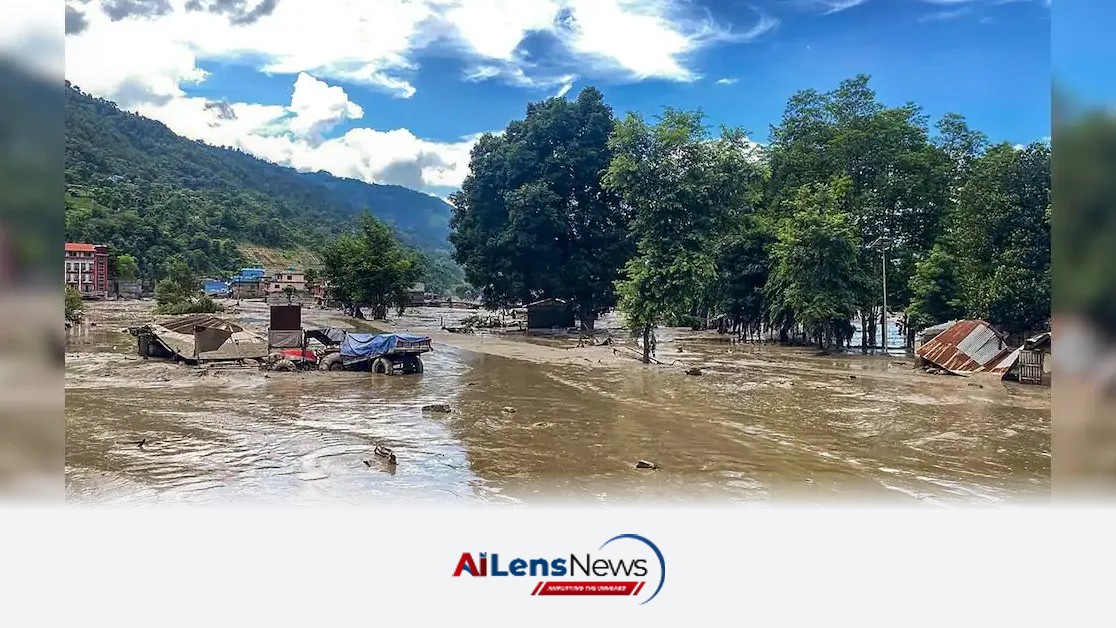



In response to devastating floods in Nepal, China has pledged emergency financial assistance and relief efforts, as the death toll surpasses 650.
New Delhi, India Aug 29, 2026 ALN: The recent catastrophic flash floods in Nepal have prompted an urgent response from China, which has offered emergency financial assistance and aid to the neighboring country. The floods have wreaked havoc, claiming over 650 lives and leaving nearly 2,400 individuals unaccounted for. This disaster has not only impacted the local population but has also raised concerns about the broader implications for regional stability and humanitarian efforts.
On Saturday, the Chinese Foreign Minister Wang Yi reached out to his Nepalese counterpart, Shisir Khanal, to announce a comprehensive assistance package aimed at alleviating the challenges posed by the floods, particularly those affecting areas along the Tibet-Nepal border. This communication underscores the close diplomatic ties between China and Nepal, which have been historically characterized by mutual support and cooperation, especially in times of crisis.
Wang Yi characterized the current flooding situation as the most significant cross-border calamity in recent years, highlighting the unprecedented complexities and difficulties that accompany the relief efforts. The severity of the disaster has raised alarms not only in Nepal but also in neighboring countries, as such natural calamities can have far-reaching effects on regional security, economic stability, and humanitarian assistance capabilities.
As part of its emergency response, China has mobilized relief supplies that are expected to arrive in Kathmandu shortly. These supplies are crucial for immediate humanitarian needs, including food, water, medical supplies, and shelter for those displaced by the floods. Furthermore, two specialized teams of tunnel rescue experts from China are en route to assist in the affected regions, showcasing a commitment to providing technical expertise in addition to material support.
In addition to physical aid, China has also shared critical information with Nepal, which is vital for effective disaster management. This includes satellite imagery of the impacted areas, hydrological data, and early-warning alerts regarding an upstream barrier lake that could pose additional risks. Such information is invaluable for Nepalese authorities as they navigate the complexities of rescue and recovery operations in the wake of the flooding.
Wang Yi also emphasized the importance of facilitating the return of Nepalese citizens stranded on the Chinese side of the border, ensuring their safe passage back to Nepal as soon as possible. In a spirit of cooperation, he expressed gratitude for Nepal's efforts in rescuing and evacuating Chinese citizens currently in Nepal, reinforcing the notion that both nations are facing the repercussions of this disaster together.
In a poignant statement, Wang remarked, "In the face of this disaster, the two countries should stand firmly together, work hand in hand to respond, and overcome the difficulties together, demonstrating through concrete actions the traditional friendship that transcends the Himalayas." This sentiment reflects a broader understanding of the interconnectedness of nations in times of crisis, where solidarity and mutual assistance can significantly impact recovery efforts.
In response, Shisir Khanal conveyed heartfelt condolences from the Nepalese leadership to the Chinese government and people, as well as to the families of the victims on the Chinese border. Khanal's expression of appreciation for the timely humanitarian assistance from China indicates a recognition of the importance of international support in disaster situations. It also highlights the close relationship between the two countries, which has been cultivated over many years through various diplomatic and economic engagements.
Despite facing its own challenges, including the ongoing impacts of natural disasters and economic pressures, China has prioritized extending support to Nepal. This decision not only reflects a commitment to humanitarian principles but also underscores the enduring friendship between the two nations during this critical time. The willingness of China to assist its neighbor is likely to reinforce diplomatic ties and foster greater collaboration in future initiatives.
Furthermore, the implications of this disaster extend beyond immediate humanitarian needs. The flooding may have long-term effects on Nepal’s infrastructure, economy, and social fabric. Recovery efforts will require significant resources and coordination not only from the Nepalese government but also from international partners and organizations. The support from China could serve as a catalyst for broader international engagement in Nepal, as other countries and organizations may be inspired to contribute to recovery efforts.
As the situation continues to develop, it will be essential for both China and Nepal to work collaboratively, ensuring that the needs of affected communities are met effectively. This disaster has highlighted the vulnerabilities faced by both countries in the face of climate change and extreme weather events, emphasizing the need for enhanced disaster preparedness and resilience-building measures in the region.
To learn more about the latest developments in Culture & Society, stay updated with our exclusive reports and analyses on AILensNews.

Prime Minister Narendra Modi participated in a yoga event in Tashkent, highlight…

Iranian President Masoud Pezeshkian emphasizes the benefits of the peace MoU wit…

The devastating flash floods in central Nepal have claimed 724 lives, with nearl…
The devastating floods and landslides in Nepal and China have resulted in 633 co…

The UAE has expressed solidarity with China, offering condolences for the victim…