

More
Checking your session
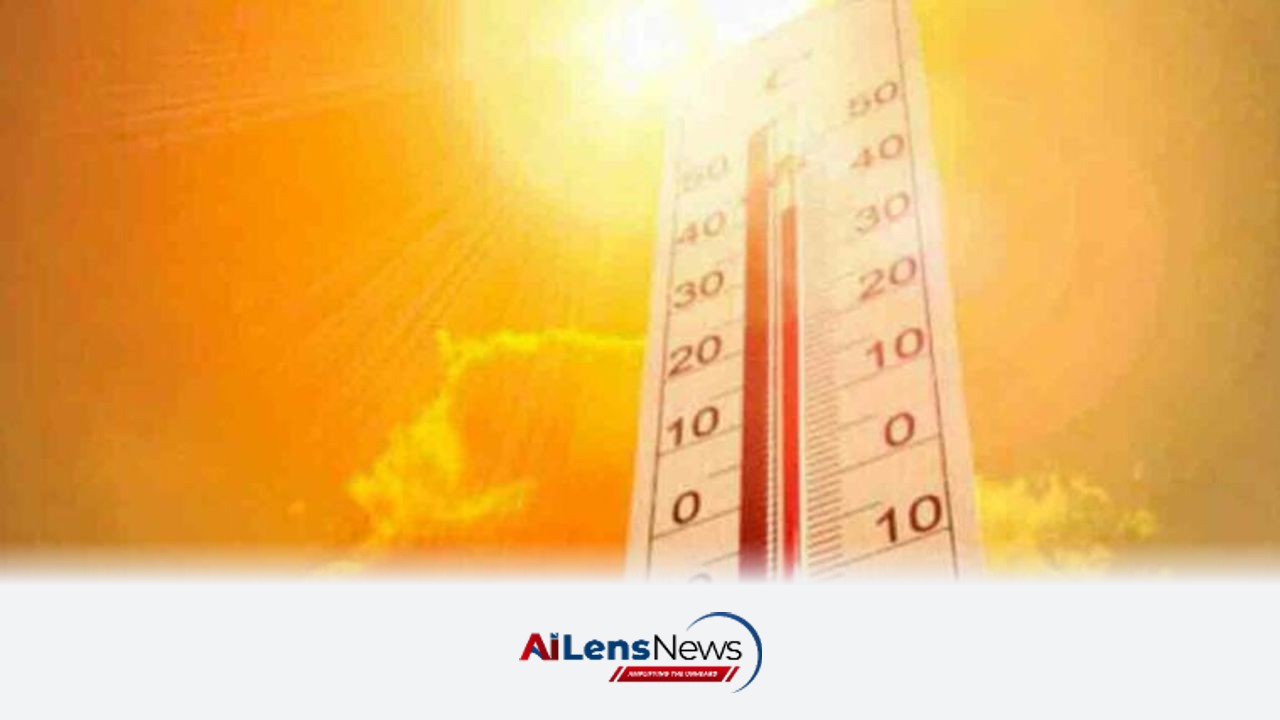



Recent research indicates that El Nino events are intensifying due to climate change, with a notable increase in strength over the past decades.
New Delhi, India Aug 28, 2026 ALN: Washington: A new study suggests that El Ninos – the natural climatic chaos agent that pops up periodically and spikes global temperatures – are getting stronger because of human-caused climate change.
El Ninos are more than 36% stronger than they were before the industrial age began in the mid-1800s, with a 16% jump in just the last 40 years showing that the increase is accelerating, according to a study published in the journal Science. This increase in strength is particularly concerning given the significant role that El Nino events play in global climate variability and their potential to exacerbate weather extremes.
The findings come as a strong El Nino that formed a couple of months ago is forecast to be the biggest on record in coming months. El Ninos, which are a temporary warming of parts of the equatorial Pacific, warp weather worldwide and increase extreme events, including heat waves, floods in some places, and droughts in others. They can cost trillions in damage, impacting agriculture, water resources, and infrastructure, while also affecting public health and safety.
“That’s important because strong El Ninos have much stronger impacts on climate hazards and extremes worldwide. When we set out to answer the question of why this might be happening, we set our data up against a record of global temperature, and we found that the increase in El Nino’s strength closely parallels the rise in global temperature that is due to human causes such as the burning of fossil fuels,” said study lead author Julia Cole, a paleoclimate scientist at the University of Michigan. This observation underscores the interconnectedness of climate systems and the influence of anthropogenic factors on natural climate variability.
Her study looks back at El Ninos going back 900 years or so, providing a long-term perspective on these climatic phenomena. By analyzing historical climate data, scientists can better understand the patterns and impacts of El Nino events over centuries, which is crucial for predicting future occurrences and mitigating their effects.
“El Nino is the most violent aspect of climate variability worldwide, with effects ranging from local fisheries collapse to widespread coral die-offs to severe droughts and food shortages around the world,” said Dalhousie University marine scientist Boris Worm, who wasn’t part of the study. This statement highlights the wide-reaching implications of El Nino events, which can disrupt ecosystems and economies on a global scale.
Worm quoted the late climate scientist Wallace Broecker who warned, “the climate system is an angry beast and we are poking it with sticks.” He added: “Human emissions are the stick and El Nino is one of the angry outbursts that can be so threatening to our collective safety.” This metaphor emphasizes the precarious balance of the climate system, where human activities are triggering increasingly severe natural events.
An El Nino’s strength is determined by measuring water temperature in a region of the central Pacific around the equator and comparing a three-month average to normal. If it’s 0.5 degrees Celsius (0.9 degrees Fahrenheit) warmer than normal, it becomes an El Nino. The top of the scale is 2 degrees Celsius (3.6 degrees Fahrenheit) and is called “very strong.” The most recent weekly El Nino figure is at 2.7 degrees (4.9 degrees Fahrenheit) and is expected to keep growing for another two to four months, according to Columbia University’s El Nino tracker. This data indicates that we may be entering a period of heightened climate volatility, with potential consequences for weather patterns across the globe.
Scientists have long theorized that as the world warms, El Ninos would get stronger because they are based on ocean temperature differences compared to average. However, observational records only go back about 75 years, so scientists have previously said the data is too spotty for a trend. The recent study, which incorporates a longer historical perspective, provides new insights into the relationship between climate change and El Nino events.
To find clues indicating an El Nino without measuring water temperatures directly, scientists have looked back at historical records of changes in weather around the world and figured out past El Ninos – such as the super-sized one in 1877 – due to the changes they cause across the globe. This method of reconstructing past climate events allows researchers to build a more comprehensive understanding of how El Ninos have evolved over time and how they may continue to change in response to ongoing climate change.
The implications of these findings are significant. As El Nino events continue to strengthen, the potential for extreme weather events increases, which could have dire consequences for food security, water availability, and disaster preparedness. Governments and organizations around the world may need to adapt their climate strategies and policies to account for these changes in El Nino behavior, focusing on resilience and adaptation measures to mitigate the impacts of future climatic extremes.
Furthermore, the research highlights the importance of global collaboration in addressing climate change. As the effects of stronger El Nino events are felt worldwide, it becomes critical for nations to work together in developing strategies to manage the risks associated with these phenomena. This includes investing in research, enhancing early warning systems, and improving infrastructure to withstand the impacts of climate variability.
In summary, the study serves as a stark reminder of the urgent need to address climate change and its far-reaching effects on natural systems. The strengthening of El Nino events is not just a scientific curiosity; it is a pressing global challenge that requires immediate attention and action from policymakers, scientists, and communities alike.
To learn more about the latest developments in Environment & Climate, stay updated with our exclusive reports and analyses on AILensNews.

A new plant species, Ophiorrhiza assamensis, has been identified in Assam, enhan…

Research indicates that a glacial collapse and ice-rock avalanche may have cause…

Qatar will experience a lunar eclipse on August 28, 2026, visible in Doha before…

The clean-up of a significant illegal waste site in Oxfordshire has cost taxpaye…