

More
Checking your session
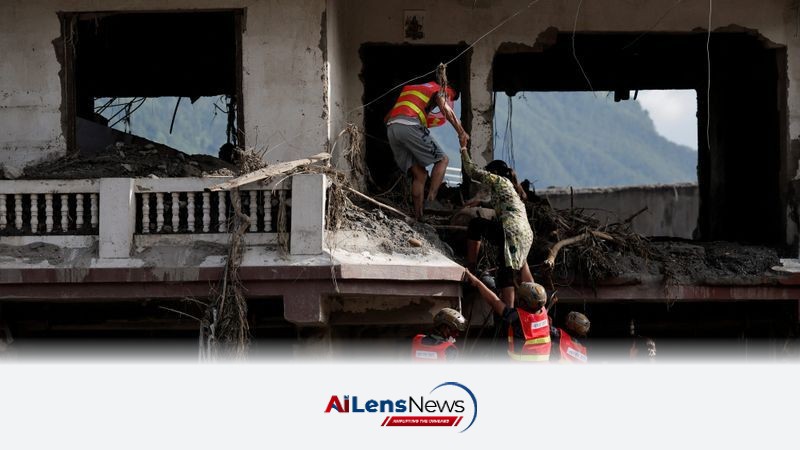



Research indicates that a glacial collapse and ice-rock avalanche may have caused recent devastating floods in Nepal, affecting the Bhote Koshi River.
New Delhi, India Aug 28, 2026 ALN: In a significant development, scientists are investigating the potential causes behind the recent devastating floods that struck the Bhote Koshi River in Nepal. Preliminary assessments suggest that a glacial collapse, coupled with an ice-rock avalanche, may have triggered these catastrophic events. The Bhote Koshi River, known for its rapid flow and challenging terrain, has historically been prone to flooding, but the recent incident appears to have been particularly severe, prompting urgent scientific inquiry.
Reports indicate that the debris from the glacial collapse might have temporarily blocked the Lhende River, creating a landslide dam. This dam, unfortunately, did not hold, leading to a sudden release of water that exacerbated the flooding in the region. The dynamics of such events are complex and involve the interplay of geological and hydrological factors. Glaciers, which act as natural reservoirs, can release large volumes of water when they collapse, especially if they are destabilized by rising temperatures or seismic activity.
The Lhende River, which flows into the Bhote Koshi, plays a crucial role in the hydrology of the area. When the glacial collapse occurred, the resulting landslide debris created a temporary blockage that caused water levels to rise significantly upstream. This situation is often referred to as a glacial lake outburst flood (GLOF), a phenomenon that has been observed in other regions with similar glacial environments. The sudden release of water from such blockages can lead to catastrophic flooding downstream, as witnessed in this incident.
The floods have had a profound impact on local communities, causing extensive damage to infrastructure and homes. Initial reports indicate that several villages along the Bhote Koshi River have been affected, with homes swept away and vital infrastructure such as roads and bridges severely damaged. The region, which relies heavily on agriculture and tourism, faces significant challenges as recovery efforts begin.
Rescue operations are currently underway, with teams working tirelessly to assist those affected by the disaster. Local authorities, along with national and international aid organizations, are mobilizing resources to provide immediate relief to displaced families. Efforts include distributing food, clean water, and medical assistance to those in need. The long-term recovery will likely involve rebuilding homes and infrastructure, which could take months or even years, depending on the extent of the damage.
Scientists are conducting detailed studies to understand the dynamics of the glacial collapse and its implications for future flood risks. The research aims to provide insights that could help in disaster preparedness and mitigation strategies in the region. Understanding the triggers and processes behind the glacial collapse is essential for developing effective early warning systems and risk assessment models.
This investigation includes analyzing satellite imagery, conducting field surveys, and utilizing hydrological modeling to assess the impact of the floods. By studying past incidents and current conditions, researchers hope to identify patterns that could predict similar events in the future. The findings will be crucial not only for Nepal but also for other regions around the world that are experiencing the effects of climate change and glacial retreat.
This incident raises concerns about the effects of climate change on glacial stability. As temperatures rise, the likelihood of glacial collapses and related disasters may increase, necessitating urgent attention from both local and global communities. The rapid melting of glaciers, particularly in the Himalayas, has been linked to rising global temperatures, which are expected to continue impacting the region's hydrology.
Climate change is altering precipitation patterns, leading to more intense rainfall events and increasing the risk of flash floods. In addition to the immediate impacts on human populations, these changes can have long-term effects on water resources, agriculture, and ecosystems. The situation underscores the need for comprehensive climate adaptation strategies that can help vulnerable communities prepare for and respond to such disasters.
As investigations continue, the focus remains on understanding the full scope of the events that led to the floods. The findings will be crucial in shaping future policies and strategies to safeguard vulnerable regions from similar disasters. Enhanced monitoring of glacial systems, improved land-use planning, and community education on disaster preparedness are all vital components of a comprehensive approach to managing the risks associated with glacial collapse and flooding.
In light of this incident, it is imperative for governments and organizations to prioritize research and investment in climate resilience. The integration of scientific research into policy-making can help mitigate the impacts of future disasters, ultimately protecting lives and livelihoods in vulnerable regions like Nepal. As the global community grapples with the realities of climate change, incidents like the recent floods in Nepal serve as a stark reminder of the urgent need for action.
To learn more about the latest developments in Environment & Climate, stay updated with our exclusive reports and analyses on AILensNews.

A new plant species, Ophiorrhiza assamensis, has been identified in Assam, enhan…

Qatar will experience a lunar eclipse on August 28, 2026, visible in Doha before…

Recent research indicates that El Nino events are intensifying due to climate ch…

The clean-up of a significant illegal waste site in Oxfordshire has cost taxpaye…