

More
Checking your session
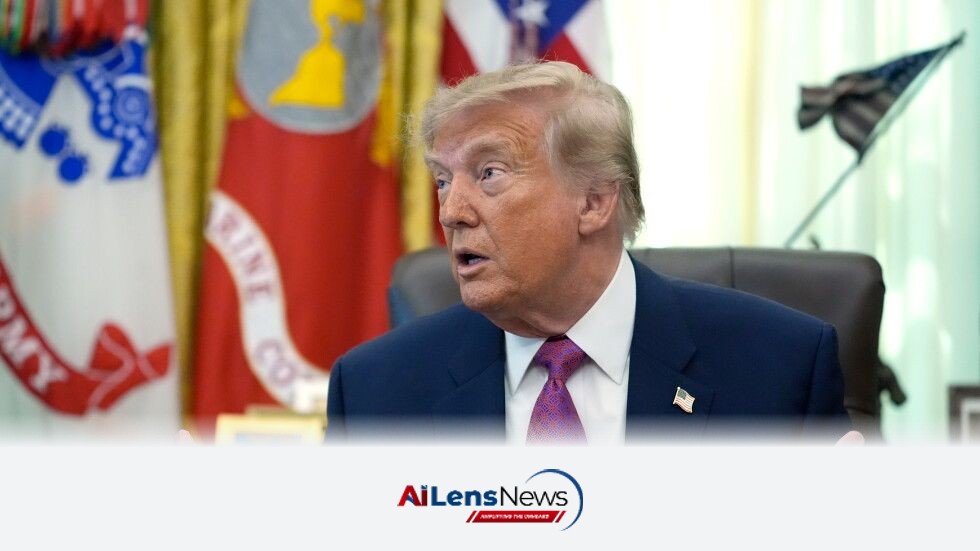



As the U.S.-Israel conflict with Iran reaches the six-month mark, President Trump reflects on his earlier predictions of a swift resolution, now expressing no urgency.
Washington DC, United States Aug 29, 2026 ALN: As the ongoing U.S.-Israel conflict with Iran marks its six-month milestone, President Donald Trump finds himself in a precarious position, reflecting on his earlier assertions of a quick resolution. Initially, Trump had projected optimism, suggesting that the conflict would conclude swiftly. However, his recent comments indicate a significant shift in tone, as he now claims there is no rush to end the hostilities.
In the early stages of the conflict, Trump expressed confidence that military actions would lead to a rapid conclusion. His administration's strategy appeared focused on decisive actions aimed at curbing Iranian influence in the region. This optimism resonated with many of his supporters, who believed that a strong stance would yield quick results. Trump's approach included a mix of military posturing and economic sanctions, which he argued would weaken Iran's ability to project power in the Middle East.
Moreover, Trump's administration emphasized the importance of deterring Iran's nuclear ambitions, which had been a focal point of U.S. foreign policy for years. The 2015 Joint Comprehensive Plan of Action (JCPOA), from which Trump withdrew the U.S. in 2018, was often cited as a failed attempt to curb Iran's nuclear program. Trump's initial optimism was rooted in a belief that re-engaging in a more aggressive strategy would bring about a more favorable outcome.
Fast forward six months, and the reality of the situation has set in. Trump’s recent statements reveal a more cautious approach. He acknowledges the complexities of the conflict and the challenges faced by U.S. forces and their allies. This change in rhetoric has raised eyebrows among political analysts and supporters alike, as it contrasts sharply with his earlier predictions. The situation on the ground has proven to be more volatile and unpredictable than anticipated, with various factions within Iran and across the region complicating the U.S.'s strategic calculations.
Furthermore, the conflict has drawn in various regional players, including proxy groups aligned with Iran, which have engaged in asymmetric warfare against U.S. and allied forces. This has forced the Trump administration to reassess its military strategy, weighing the risks of escalation against the potential benefits of a more measured approach. The acknowledgment of a prolonged conflict suggests a pivot towards a strategy that may prioritize diplomatic channels alongside military readiness.
The prolonged conflict has sparked significant public outcry. Protests have erupted across various cities, with demonstrators voicing their opposition to U.S. military involvement in Iran. Notably, a recent demonstration in Austin, Texas, organized by the Austin for Palestine Coalition, highlighted the growing dissent among citizens regarding the administration's foreign policy. These protests reflect a broader sentiment among segments of the American public who are increasingly skeptical of military interventions abroad, particularly in the Middle East, where past conflicts have led to prolonged instability.
The protests have also been fueled by concerns over the humanitarian implications of military action in Iran and the surrounding region. Activists argue that the conflict exacerbates existing tensions and contributes to civilian suffering, raising ethical questions about U.S. involvement. The public's response underscores a critical dialogue within the U.S. about the role of military power in achieving foreign policy objectives and the need for a more nuanced approach to international conflicts.
The ongoing conflict has not only affected U.S. domestic politics but has also had far-reaching implications internationally. Allies and adversaries alike are closely monitoring the situation, as the U.S. navigates its role in the Middle East. The lack of a clear resolution raises questions about future diplomatic relations and the potential for escalation. Countries such as Russia and China have been vocal in their opposition to U.S. military actions, viewing them as destabilizing and detrimental to regional security.
Additionally, the conflict has implications for U.S. relations with its traditional allies in the region, particularly Israel and Saudi Arabia, who have vested interests in curbing Iranian influence. The dynamic between these nations and the U.S. is complex, as they rely on American support while also pushing for a more aggressive stance against Iran. The administration's shifting rhetoric may lead to uncertainty among these allies regarding U.S. commitments and strategies moving forward.
Furthermore, the potential for a broader regional conflict looms large. Iran's response to U.S. actions has included threats of retaliation and increased military capabilities, which could escalate tensions further. The involvement of other regional actors, including Turkey and various militia groups, adds layers of complexity to the situation, making any resolution increasingly challenging.
As President Trump grapples with the realities of the Iran conflict, his shifting stance reflects the complexities of modern warfare and international relations. The next steps will be crucial in determining the future of U.S. involvement in the region and the broader implications for global stability. The administration faces the dual challenge of addressing domestic dissent while managing international expectations and relationships. Moving forward, the approach taken by the Trump administration will likely be scrutinized not only for its effectiveness but also for its ethical implications and impact on long-term peace in the Middle East.
To learn more about the latest developments in Political Controversies, stay updated with our exclusive reports and analyses on AILensNews.

In a provocative move, President Trump has ordered Lake Ontario to be renamed 'L…

Nitin Nabin has summoned three BJP MPs for visiting the family of Sajjan Kumar, …

In response to a recent incursion by the Chinese PLA into Taksing, the APCC has …

Karnataka Chief Minister D.K. Shivakumar announced he will send Minister B. Nage…
The Seneca Nation's leader condemns President Trump's renaming of Lake Ontario, …