

More
Checking your session
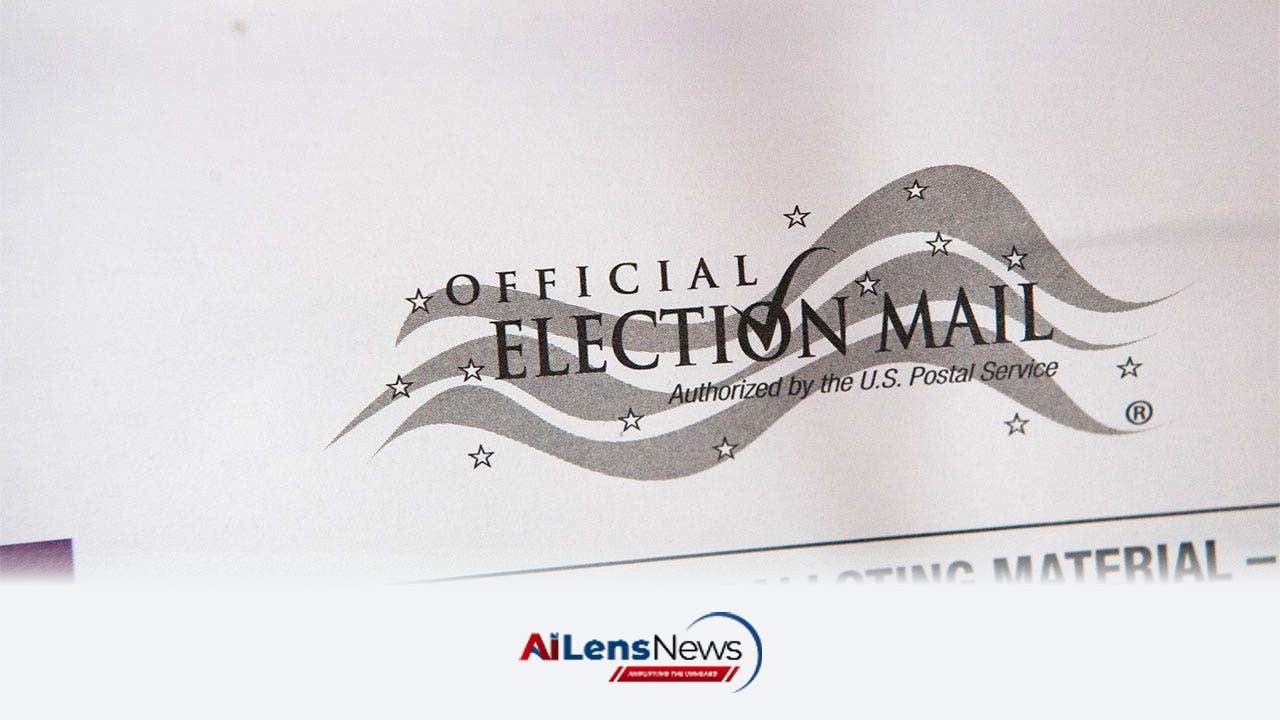



A federal judge has temporarily halted President Trump's mail-in voting restrictions, impacting upcoming midterm elections as states prepare for ballots.
Washington DC, United States Aug 28, 2026 ALN: A federal judge on Thursday again blocked President Donald Trump's executive order limiting mail-in voting, halting the directive, at least for now, for a second time with only about a week before the first mail ballots are expected to be sent out for the upcoming midterm elections. This ruling comes at a critical juncture, as the midterm elections are pivotal in determining the balance of power in Congress and shaping the legislative agenda for the following years.
U.S. District Court Judge Indira Talwani issued a 14-day temporary restraining order blocking enforcement of the new U.S. Postal Service rule implementing the order. This decision reflects ongoing legal battles surrounding voting rights and election procedures in the United States, particularly as they relate to mail-in voting, which has become increasingly important in the context of public health concerns and accessibility.
The ruling is likely to be quickly appealed and could soon make its way back to the Supreme Court, days after the nation's highest court handed down a procedural decision that allowed the administration to move forward. The Supreme Court's involvement indicates the high stakes of the issue, as decisions made by the court can have far-reaching implications on voting rights and election integrity.
Thursday's ruling comes after Democrats and voting rights groups refiled their lawsuits to comply with the recent Supreme Court decision. The high court did not address the legality of Trump’s order, only finding that Talwani had acted too soon. This legal back-and-forth underscores the complexities involved in election law and the contentious nature of voting rights debates in the United States.
The administration has now issued a formal rule governing how states must prepare and submit mail ballots for USPS acceptance, effectively taking the legal fight back to square one. This new rule has raised concerns among election officials, as nearly one-third of Americans vote by mail, and many fear that there is insufficient time to amend their systems to comply with the new directives.
The Postal Service said it will not accept outbound mail ballots if states do not submit required recipient information through its portal and meet the rule’s envelope and barcode requirements. This requirement has been met with criticism, as election officials argue that the new regulations could disenfranchise voters who rely on mail-in ballots, particularly those who may face challenges in meeting the new criteria.
"Plaintiff states have neither time nor funds to design new mail ballots, seek approval of the new designs, order production of mail ballots, update their own election management systems, train election officials to use the USPS portal and upload citizen data to the portal, all before the midterms," Talwani wrote in Thursday's ruling. This statement highlights the logistical challenges states are facing as they navigate the complicated landscape of election administration amid changing federal directives.
A hearing in the case is scheduled for Sept. 3, which will likely provide further clarity on the legal arguments surrounding the case and the implications for the upcoming elections. The outcome of this hearing could set a significant precedent for how mail-in voting is regulated in the future.
Democrats and voting rights groups argue that the Postal Service rule and Trump’s order are unconstitutional. They assert that the Constitution grants states, as well as Congress in some cases, the authority to establish election rules, noting that the president and Postal Service do not have that power. This argument reflects a broader concern among voting rights advocates about federal overreach into state-administered elections.
USPS, however, maintains that the rule does not determine voter eligibility or compare submissions with state voter rolls, and that states retain control over who may vote by mail. This distinction is critical, as it suggests that the Postal Service's intent is not to infringe upon states' rights but rather to implement operational standards that ensure the integrity and efficiency of mail processing.
"This rule is a clear attempt by the federal government to interfere in elections it has no power to control. Today, a federal court halted it before this administration could wreak havoc on our elections," New York Attorney General Letitia James, one of two dozen Democrat attorneys general who filed one of the lawsuits, said in a statement. This sentiment reflects a growing concern among Democratic leaders and activists about the potential for federal policies to disrupt established voting processes.
Trump’s first executive order, which was issued last year, was blocked on similar grounds. The order attempted to change election procedures, including by requiring additional physical documentation to register to vote, such as a U.S. passport, a REAL ID or military ID indicating U.S. citizenship or a government-issued photo ID accompanied by proof of citizenship. These requirements have been criticized for potentially disenfranchising voters, particularly those from marginalized communities who may face barriers in obtaining such documentation.
Trump has long criticized mail-in voting, which he falsely attributes to his 2020 election loss to former President Joe Biden. His claims have been widely debunked by experts and independent organizations, which have found no evidence of widespread fraud in mail-in voting. In fact, according to a 2025 report by the Brookings Institution, mail-in voting fraud was recorded in only about four cases out of every 10 million mail ballots cast, contradicting claims by Trump and his allies that election fraud is widespread. This data highlights the importance of basing election policies on factual evidence rather than unfounded assertions.
The ongoing legal battles surrounding mail-in voting and the implications of Trump's executive orders underscore the heightened tensions in American politics, particularly as the nation approaches a critical election cycle. As states prepare for the midterms, the outcomes of these legal challenges will likely play a significant role in shaping the future of voting rights and electoral processes in the United States.
To learn more about the latest developments in Elections, stay updated with our exclusive reports and analyses on AILensNews.

Prime Minister Shehbaz Sharif emphasized the significance of the Makkah Joint De…

During recent talks in Tehran, Qatar's Prime Minister called on Iran to advance …

Chief Minister C Joseph Vijay argues that unproven claims cannot invalidate his …

A federal judge has halted a Postal Service regulation aimed at controlling mail…

In an exclusive interview, Japanese Ambassador Tamaki Tsukada reflects on Japan-…