

More
Checking your session
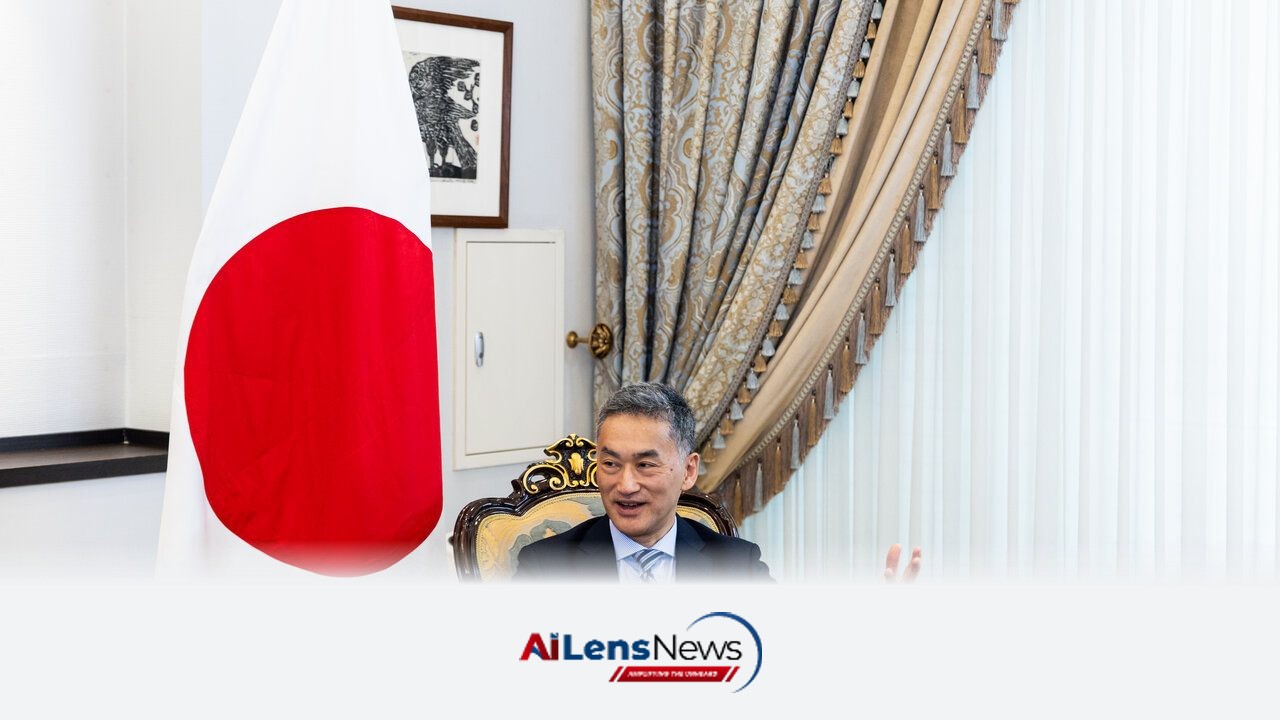



In an exclusive interview, Japanese Ambassador Tamaki Tsukada reflects on Japan-Iran relations during ongoing conflicts, emphasizing the importance of dialogue.
Tehran, Iran Aug 28, 2026 ALN: TEHRAN - The Tehran Times recently engaged with Japanese Ambassador to Tehran, Tamaki Tsukada, to discuss the state of bilateral ties between Japan and Iran amidst ongoing conflicts. This dialogue comes at a time when the geopolitical landscape in the Middle East is marked by various tensions, particularly involving the United States and its allies, which have implications for countries like Japan that are seeking to maintain diplomatic relations in the region.
Ambassador Tsukada, who took office in October 2023, has a rich background in diplomacy, having spent three decades in various roles within Japan's Ministry of Foreign Affairs. His extensive experience includes significant assignments in international relations, trade negotiations, and environmental issues. He is particularly known for advocating cooperation on the restoration of Lake Urmia in northwestern Iran, a project that highlights Japan's commitment to environmental sustainability and regional cooperation.
During the interview, Tsukada shared insights about his experiences as a diplomat in Iran, especially during periods of heightened U.S.-Israeli aggression. The ongoing conflicts in the region have not only affected the political landscape but have also had a direct impact on the lives of diplomats and their families. He highlighted how these conflicts have impacted both his personal life and diplomatic mission, providing a human perspective to the often abstract discussions surrounding international relations.
Reflecting on the challenges faced, Tsukada noted, "The war has undoubtedly had a profound impact on both our work and our personal lives." He recounted a personal anecdote about returning to Tehran amidst escalating tensions, emphasizing the urgency of his role during crises. The situation in the region has forced many diplomats to reassess their safety and operational strategies, leading to heightened security measures and travel advisories.
"Given the level of risk, we decided to raise our travel advisory to the maximum level, which meant advising immediate departure from the country," he explained. This led to the evacuation of embassy dependents, leaving only essential staff in Tehran. The decision to evacuate was not taken lightly; it reflects the gravity of the security situation and the responsibility diplomats have for the safety of their personnel. Despite these challenges, Tsukada mentioned that the embassy has nearly returned to normal operations since July, underscoring the resilience of diplomatic missions even in turbulent times.
Despite the external pressures, Tsukada expressed optimism about the resilience of Japan-Iran relations. "We have managed to maintain dialogue at all levels, including the highest," he stated, referencing a recent productive conversation between Japan's Prime Minister and Iran's President Pezeshkian. This high-level communication is crucial as it demonstrates a commitment to maintaining diplomatic channels open, even when tensions are high.
He acknowledged that while economic ties may take time to recover, the traditional relationship of trust between the two nations positions them favorably for future collaboration. Japan and Iran have a long history of cultural and economic exchanges, which can serve as a foundation for rebuilding trust and cooperation in various sectors, including trade, technology, and environmental initiatives.
Regarding Japan's stance on the ongoing wars, Tsukada noted that the Japanese government was quick to denounce military actions and has consistently called for de-escalation. Japan's post-World War II pacifist constitution shapes its foreign policy, emphasizing diplomacy and conflict resolution over military intervention. He emphasized Japan's role as a responsible member of the international community, advocating for restraint among conflicting parties.
On a domestic level, the ambassador pointed out that rising prices in Japan, particularly for energy and essential goods, reflect the interconnectedness of global economies and the impact of regional conflicts on daily life. The economic implications of international conflicts often ripple across borders, affecting everything from energy prices to food security. This reality underscores the importance of diplomatic efforts to resolve conflicts and stabilize the region.
When asked about Japan's historical role as a mediator in international disputes, Tsukada acknowledged the sensitivity of such discussions. Japan has historically positioned itself as a neutral party in international conflicts, leveraging its economic power and diplomatic relations to facilitate dialogue. He expressed appreciation for Iran's expectations regarding Japan's potential mediating role but cautioned that trust between the conflicting parties is currently low.
"For mediation to be meaningful, there must first be a minimum level of trust between the conflicting parties," he explained. "At this point, trust between Iran and the United States is very low—perhaps not zero, but certainly minimal." This lack of trust complicates the prospect of mediation and highlights the need for gradual confidence-building measures before any effective dialogue can take place.
In conclusion, Ambassador Tsukada's insights shed light on the complexities of maintaining diplomatic relations in a turbulent geopolitical landscape. His commitment to fostering dialogue underscores the importance of communication in navigating international conflicts. As Japan continues to navigate its role in the region, the emphasis on dialogue and cooperation remains a central tenet of its foreign policy, reflecting a broader commitment to peace and stability in the Middle East. The ongoing challenges faced by diplomats like Tsukada illustrate the delicate balance required to manage international relations amidst conflict, and the potential for future collaboration remains contingent on rebuilding trust and fostering mutual understanding.
To learn more about the latest developments in Elections, stay updated with our exclusive reports and analyses on AILensNews.

Prime Minister Shehbaz Sharif emphasized the significance of the Makkah Joint De…

During recent talks in Tehran, Qatar's Prime Minister called on Iran to advance …

Chief Minister C Joseph Vijay argues that unproven claims cannot invalidate his …

A federal judge has halted a Postal Service regulation aimed at controlling mail…

A federal judge has temporarily halted President Trump's mail-in voting restrict…