

More
Checking your session
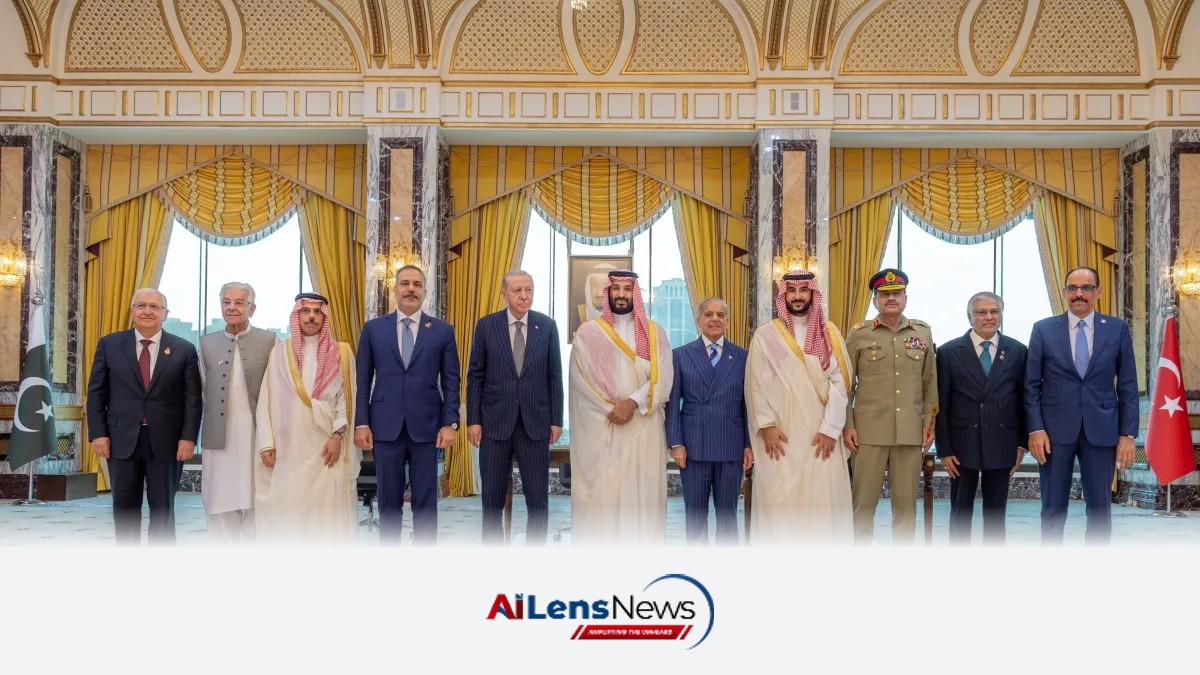



Saudi Arabia, Türkiye, and Pakistan will convene in Istanbul for the inaugural meeting of the Strategic Political and Defense Committee under the Makkah Joint Defense Pact.
Riyadh, Saudi Arabia Aug 31, 2026 ALN: The first meeting of the Strategic Political and Defense Committee established under the Makkah Joint Defense Pact between Saudi Arabia, Türkiye, and Pakistan is set to take place in Istanbul on Monday, as confirmed by sources from the Turkish Foreign Ministry. This meeting marks a significant step in the trilateral defense cooperation among these nations, which have a long history of diplomatic and military relations.
The Makkah Joint Defense Pact, signed earlier this month, is a landmark agreement aimed at enhancing the security and defense capabilities of the participating countries. The pact is particularly noteworthy as it reflects a growing recognition of the need for collaborative security measures in an increasingly complex geopolitical landscape. The meeting in Istanbul will see the foreign and defense ministers, along with the chiefs of general staff from the three nations, convene to set the strategic direction for implementing this pivotal agreement.
The establishment of the Strategic Political and Defense Committee is a crucial aspect of the Makkah Joint Defense Pact. Its primary objective is to provide strategic guidance and oversight for defense cooperation among Saudi Arabia, Türkiye, and Pakistan. This committee is expected to play a vital role in coordinating various defense initiatives, ensuring that the goals of the pact are met effectively and efficiently.
During the meeting, officials are anticipated to engage in discussions regarding international security developments that pose challenges to the region. The focus will likely be on identifying emerging threats and devising strategies to enhance joint defense capabilities. One of the key aspects of the committee's agenda will be to improve interoperability among the armed forces of the three countries, enabling them to operate cohesively in joint operations.
In addition to addressing immediate security concerns, the meeting is expected to delve into expanding cooperation in the defense industry. This includes exploring opportunities for joint production, technology transfers, and collaborative research and development projects. Such initiatives could not only bolster the defense capabilities of the three nations but also stimulate economic growth and technological advancement within their respective defense sectors.
Counterterrorism cooperation will also be a significant topic of discussion. Given the shared security challenges faced by Saudi Arabia, Türkiye, and Pakistan, particularly in relation to extremist groups, the committee is likely to explore mechanisms for enhanced intelligence sharing, joint training exercises, and coordinated operations against terrorist threats.
The meeting is poised to establish a framework for a secretariat and other mechanisms responsible for coordinating the various areas of joint activity identified by the committee. This organizational structure is essential for ensuring that the objectives of the Makkah Joint Defense Pact are pursued systematically and with accountability.
Moreover, participants are expected to develop a roadmap for the implementation of the pact, outlining specific initiatives and timelines for advancing trilateral defense cooperation in the months and years ahead. This roadmap will serve as a guiding document, helping to align the efforts of the three countries in pursuit of their shared security goals.
As the meeting unfolds, it is expected to underscore the importance of the Makkah Joint Defense Pact in promoting regional security, peace, and stability through a cooperative security framework. The pact is designed to be inclusive, remaining open to other countries that respect international law and share a vision of peaceful cooperation. This aspect is particularly significant in a region characterized by diverse political dynamics and varying security interests.
The signing of the Makkah Joint Defense Pact by Crown Prince and Prime Minister Mohammed bin Salman of Saudi Arabia, Turkish President Recep Tayyip Erdogan, and Pakistani Prime Minister Shehbaz Sharif on August 7, was a momentous occasion that highlighted the commitment of these leaders to strengthening their nations' defense ties. At the heart of the pact is a collective defense provision, which stipulates that an attack against any one of the three countries will be considered an attack against all. This mutual defense clause is designed to deter potential aggressors and enhance the overall security posture of the signatory nations.
The implications of the Makkah Joint Defense Pact extend beyond the immediate military collaboration. It represents a strategic alignment of three influential Muslim-majority countries, each with significant regional clout. This partnership could reshape the security landscape in the Middle East and South Asia, potentially influencing the balance of power and the dynamics of international relations in these regions.
As the world faces a myriad of security challenges, including terrorism, cyber threats, and geopolitical tensions, the formation of such defense alliances may become increasingly common. The Makkah Joint Defense Pact serves as a model for other countries seeking to enhance their security through collaborative frameworks. The outcomes of the Istanbul meeting will be closely watched, both by regional stakeholders and by global powers interested in the evolving security dynamics of the region.
To learn more about the latest developments in Elections, stay updated with our exclusive reports and analyses on AILensNews.
Top officials from Pakistan, Saudi Arabia, and Turkiye convene in Istanbul to di…

One Nation's decisive victory in the Secret Harbour by-election signals a shift …
In a meeting with AJK's new leadership, Nawaz Sharif emphasized urgent reforms i…
Syed Mohammad Altaf Bukhari urges residents of Shehr-e-Khaas to recognize their …

Icelanders voted against resuming EU membership negotiations, with 52.8% rejecti…