

More
Checking your session
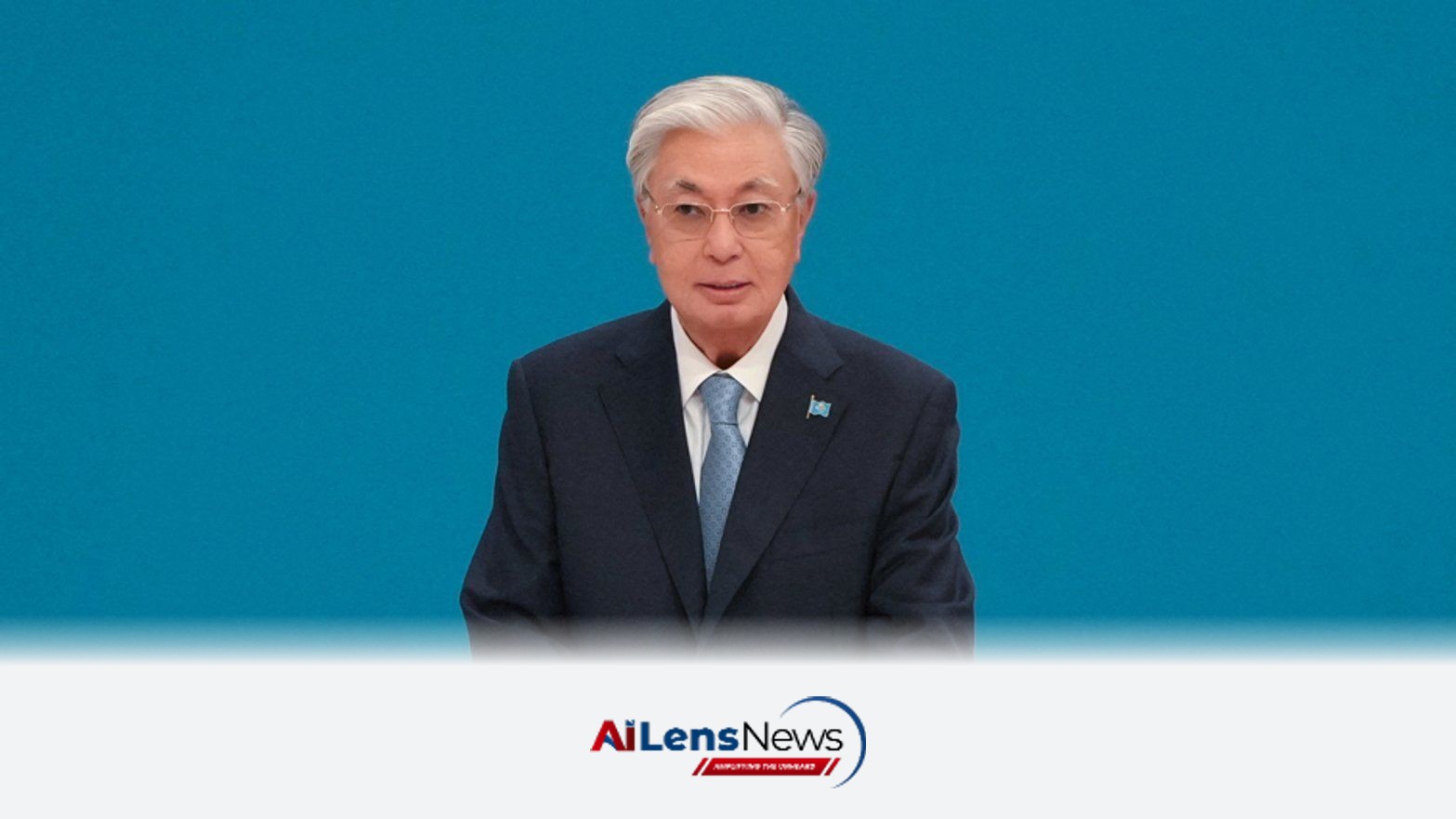



Kazakhstan's Adilet party, aligned with President Tokayev, claims approximately 70% of the vote in recent parliamentary elections, solidifying his power.
Doha, Qatar Aug 24, 2026 ALN: In a significant political development, Kazakhstan's pro-Tokayev Adilet party has emerged victorious in the recent parliamentary elections, securing around 70 percent of the vote according to exit polls. This outcome is expected to further strengthen President Kassym-Jomart Tokayev's grip on power in the country, which is a major exporter of oil, uranium, and minerals. The elections, held in a context of increasing global economic uncertainty and regional tensions, have drawn attention not only for their immediate results but also for their potential long-term implications on Kazakhstan's governance and international relations.
The elections come at a time when Kazakhstan is navigating complex geopolitical relationships, particularly with Russia and China. These two nations have significant influence over Kazakhstan's economy and political landscape. Tokayev's administration has been keen on maintaining close ties with these nations, which are crucial for Kazakhstan's economic stability and growth. The country's strategic position as a landlocked nation rich in natural resources makes it a key player in regional trade and energy supply chains. However, this also places Kazakhstan in a delicate position as it balances its relationships with these powerful neighbors while seeking to assert its sovereignty and independence.
In the context of these elections, the pro-Tokayev Adilet party's victory is viewed as a continuation of a trend that has seen Tokayev consolidating power since he took office in 2019, following the resignation of long-time leader Nursultan Nazarbayev. The political landscape in Kazakhstan has been marked by a gradual shift towards greater centralization of authority, with Tokayev implementing a series of reforms aimed at stabilizing the economy and addressing social discontent. These reforms have included measures to improve governance, enhance transparency, and combat corruption, although critics argue that more substantial changes are needed to address the underlying issues facing the nation.
The overwhelming support for the Adilet party reflects a consolidation of power that has been underway since Tokayev assumed the presidency. His leadership has been characterized by a focus on economic reforms and a commitment to enhancing Kazakhstan's international standing. The election results indicate a level of public approval for Tokayev’s governance, which has been marked by promises of modernization and development. However, the high level of support for the ruling party also raises questions about the state of political pluralism in Kazakhstan, as opposition parties have struggled to gain traction in a system that has been criticized for its lack of competitiveness.
Moreover, the political environment in Kazakhstan is shaped by a history of state control over media and civil society, which can limit public discourse and the ability of opposition voices to be heard. This election cycle has seen allegations of voter suppression and manipulation, which have cast a shadow over the legitimacy of the electoral process. Observers have noted that while the elections were conducted, the environment in which they took place did not allow for a truly free and fair competition. Thus, the results, while indicative of support for the ruling party, must be interpreted with caution in light of these concerns.
As the results are confirmed, analysts will be watching closely to see how Tokayev's administration will navigate the challenges ahead, including economic diversification and social reforms. Kazakhstan's economy has been heavily reliant on its energy sector, particularly oil and gas exports, which makes it vulnerable to fluctuations in global markets. The government has recognized the need to diversify its economic base to ensure sustainable growth and reduce dependence on a single industry. This includes investing in sectors such as agriculture, manufacturing, and technology, which could provide new opportunities for employment and innovation.
Social reforms will also be a critical area of focus for Tokayev's government. Issues such as income inequality, access to education, and healthcare remain pressing concerns for many citizens. The government's ability to address these issues will be essential for maintaining public support and ensuring social stability. Furthermore, the success of these reforms may also influence Kazakhstan's international reputation and its relationships with foreign partners.
The election results are likely to impact Kazakhstan's domestic policies and its foreign relations. As Tokayev continues to strengthen his position, there may be an expectation for more assertive foreign policy moves, particularly in relation to regional security and economic cooperation. The geopolitical landscape in Central Asia is evolving, with increasing competition among global powers for influence in the region. Kazakhstan's ability to navigate these dynamics will be crucial for its long-term stability and prosperity.
The landslide victory of the Adilet party marks a pivotal moment in Kazakhstan's political landscape, reinforcing Tokayev's authority and setting the stage for future governance strategies. The implications of this election will resonate not only within Kazakhstan but also in the broader regional context. As Tokayev's government embarks on its new mandate, the eyes of both domestic and international observers will be keenly focused on how it addresses the pressing challenges of economic diversification, social reform, and maintaining a delicate balance in its foreign relations. The outcome of these efforts will ultimately shape the future trajectory of Kazakhstan as it seeks to position itself as a stable and prosperous nation in a rapidly changing world.
To learn more about the latest developments in Elections, stay updated with our exclusive reports and analyses on AILensNews.

The Scottish Government has introduced a draft bill for a second independence re…

The SNP Government has published a draft bill for a second independence referend…

Prime Minister Narendra Modi is set to enhance India's strategic partnerships in…

On the 63rd anniversary of Martin Luther King Jr.'s iconic speech, thousands gat…
Prime Minister Modi begins a two-nation visit to Uzbekistan and Kyrgyzstan, focu…