

More
Checking your session
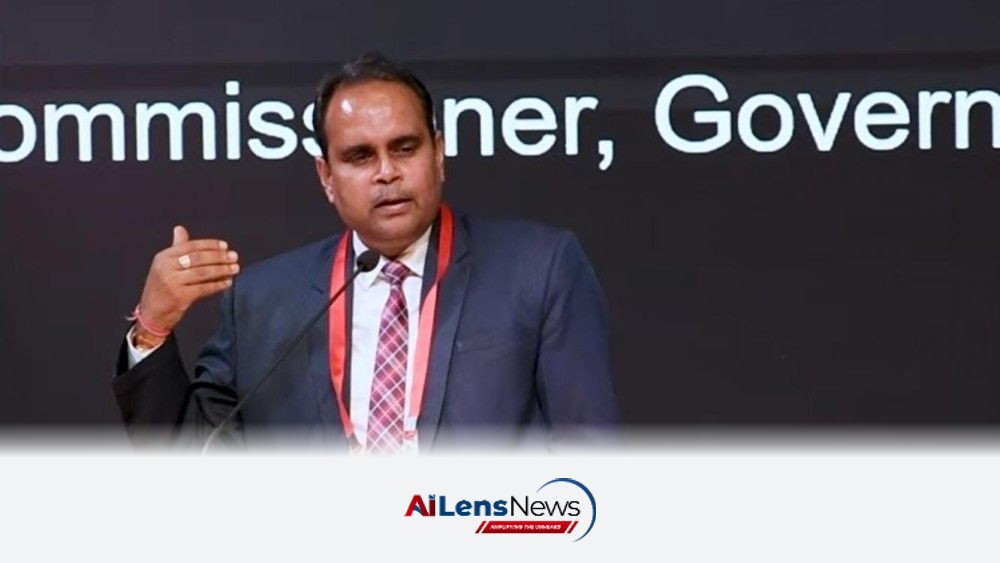



The recent seminar on the Inner Line Permit regime highlights the ongoing debate over its regulatory nature versus protectionist implications amidst rising nativist sentiments.
Kohima, India Aug 28, 2026 ALN: The Inner Line Permit (ILP) regime, established under the Bengal Eastern Frontier Regulation (BEFR) of 1873, serves as a travel document specifically for Indian citizens who are not indigenous to certain northeastern states of India. These states, which include Arunachal Pradesh, , and Mizoram, have enacted the ILP to regulate the entry of non-indigenous individuals, thereby preserving the cultural identity and demographic integrity of the local populations. This system has become increasingly contentious in recent years, as it reflects growing protectionist sentiments among local communities and raises concerns regarding the enforcement of regulations by government authorities.
In light of these challenges, the Inner Line Regulation Commission-Naga Students' Federation (ILRC-NSF) organized a two-day seminar focused on the BEFR, which took place at the Town Hall in Dimapur starting August 28. The seminar featured notable speakers, including Home Commissioner Abhijit Sinha, who was a special invitee, alongside representatives from the North East Students' Organisation (NESO) and All Assam Students’ Union (AASU) Chief Advisor Samujjal Bhattacharyya. The gathering aimed to facilitate a comprehensive discussion on the legal foundations and practical realities surrounding the ILP regime.
During the seminar, Home Commissioner Sinha addressed the ongoing transition to a digitized ILP system, which has reportedly improved application turnaround times for permits. He emphasized the importance of local vigilance, urging citizens—particularly those in the hospitality sector such as hoteliers and homeowners—to report the arrival of non-indigenous individuals to the authorities. This call for community engagement highlights the state's reliance on local cooperation to enforce the ILP effectively.
Enforcement of the ILP in Dimapur presents unique challenges, primarily due to its geographic location as a border hub with Assam. This strategic position complicates regulatory efforts, as the movement of people across state lines can often occur without adequate monitoring. The ILP regime was extended to cover the undivided Dimapur district on December 9, 2019, in an effort to strengthen regulatory oversight. However, in September 2024, the state government introduced exemptions for non-indigenous residents based on their settlement dates, further complicating the regulatory landscape and raising questions about the criteria for these exemptions.
Commissioner Sinha referenced a significant judgment from the Gauhati High Court on June 16, 2024, which upheld the state's authority to extend the ILP. However, he also cautioned against overly restrictive measures, emphasizing that the ILP should not create barriers that could stifle the state's economic growth. This statement reflects a broader concern among policymakers about balancing the need for regulatory frameworks with the imperatives of economic development in a region that has historically faced economic challenges.
ILRC-NSF Chairperson Senchumo NSN Lotha voiced criticism of the current enforcement system, labeling it ineffective and advocating for a shift from a facilitative to a more regimented model, similar to the approach taken by Mizoram. Lotha emphasized the historical context of the ILP, noting that it was originally designed to protect British imperial interests but has since evolved into a protective measure for the Naga people. This historical perspective underscores the complexities of the ILP's role in contemporary society, where it is viewed both as a regulatory mechanism and a safeguard for indigenous rights.
In an effort to substantiate his claims, Lotha presented data obtained through the Right to Information (RTI) Act, revealing a significant gap between policy and practice. For instance, in Kohima district, a total of 226,563 ILPs were issued from 2003 to 2020, yet there were no recorded prosecutions for violations of the ILP, and only 36 official deportations were documented during that period. Similarly, Mokokchung district issued approximately 25,000 permits and generated substantial revenue, but lacked any records of penalization or deportation. This data raises critical questions about the effectiveness of the enforcement mechanisms currently in place and suggests that the ILP may not be achieving its intended objectives.
Samujjal Bhattacharyya, representing NESO and AASU, called for the implementation of both the ILP and a National Register of Citizens (NRC) across northeastern states. He characterized the influx of undocumented migrants as a significant threat to local identity and cultural heritage. Bhattacharyya also emphasized that the Citizenship Amendment Act (CAA) of 2019, which exempts Sixth Schedule and ILP-covered states, serves as a vital safeguard for indigenous populations. He further criticized the Union government's decision to abolish ILP provisions for Assam, describing it as an injustice that undermines the protective measures that have been established to preserve local identities.
In summary, the ongoing discourse surrounding the Inner Line Permit regime underscores the delicate balance between regulatory frameworks and protectionist measures. It reflects broader socio-political dynamics in the region, where issues of identity, migration, and economic development intersect. As the ILP continues to be a focal point of debate, it raises important questions about the future of governance and community relations in northeastern India. Policymakers, local leaders, and citizens alike must navigate these complexities to ensure that the ILP serves its intended purpose while fostering a climate of cooperation and mutual respect among diverse communities.
To learn more about the latest developments in Political Controversies, stay updated with our exclusive reports and analyses on AILensNews.

Prashant Bhushan discusses the complexities of the Inner Line regime at a semina…

Chief Minister Neiphiu Rio emphasizes the need for a balanced approach to the In…

Uttar Pradesh Assembly Speaker Satish Mahana faces backlash for leaving the dais…

The Naga Students’ Federation calls for a dedicated authority to enforce the Inn…

The BJP has criticized the Congress for its decision to sing only two stanzas of…