

More
Checking your session
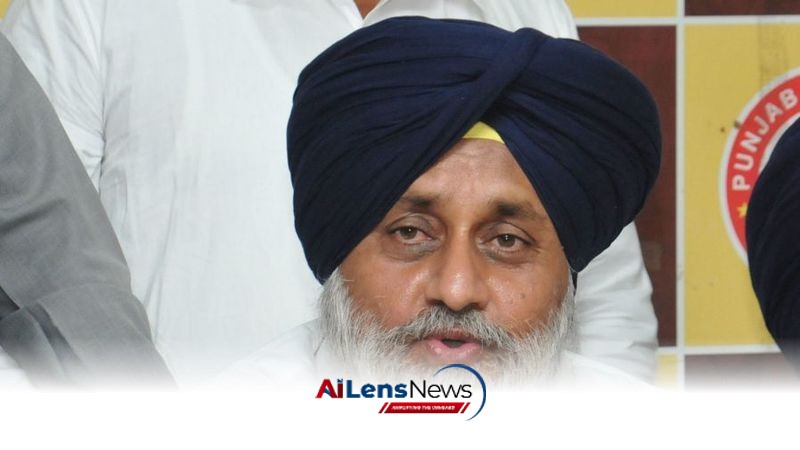



The Shiromani Akali Dal (SAD) calls for a reunion with the BJP, emphasizing the desire of Punjab's people for peace and harmony.
Chandigarh, India Aug 22, 2026 ALN: In a significant political shift, the Shiromani Akali Dal (SAD) has expressed its intention to reunite with the Bharatiya Janata Party (BJP), marking the first time since their split from the National Democratic Alliance (NDA) in September 2020. This move comes in response to what SAD leaders describe as a growing demand from the people of Punjab for peace and harmony in the state. The political landscape in Punjab has been tumultuous in recent years, with various parties vying for influence and control amidst a backdrop of social unrest and economic challenges.
The SAD's call for a reunion is rooted in the belief that collaboration with the BJP could foster stability and address the pressing issues facing Punjab. Party leaders have articulated that the public sentiment is leaning towards a partnership that prioritizes the welfare of the state. The alliance is seen as a potential means to unify various factions within Punjab's diverse political fabric, which has been marked by regionalism and differing ideologies.
During a recent press conference, SAD leaders highlighted that the people of Punjab are eager for a political alliance that can effectively tackle the challenges they face. They emphasized that the reunion with the BJP is not just a political maneuver but a response to the voices of the constituents who seek a united front for the betterment of the region. The sentiment among the electorate is increasingly leaning towards stability, especially in light of recent events that have shaken the state, including farmer protests and economic downturns. The SAD's leadership has acknowledged the need for a collaborative approach to governance, which they believe could be achieved through a renewed partnership with the BJP.
The SAD and BJP had previously collaborated under the NDA umbrella, but their partnership ended amid differing political ideologies and strategies. The split was marked by tensions over various issues, including agricultural policies and community relations. The farmers' protests against the central government's agricultural laws in 2020 played a significant role in the deterioration of their relationship. The SAD, traditionally seen as a party representing the interests of the Sikh community and farmers, found itself at odds with the BJP's policies, which were perceived as favoring corporate interests over those of local farmers.
However, the current political climate has prompted the SAD to reconsider its stance, focusing on the potential benefits of rekindling their alliance. The BJP, with its significant national presence and resources, could provide the SAD with the necessary support to address local issues more effectively. Furthermore, a reunion might help both parties consolidate their positions in Punjab, where electoral competition has intensified in recent years.
While the SAD's call for a reunion has garnered attention, it also faces challenges. Critics within the political landscape question whether such an alliance can effectively address the complexities of Punjab's socio-political environment. Concerns regarding the BJP's influence in Punjab and its implications for local governance remain a topic of debate. Many observers point to the BJP's national policies, which some argue do not always align with the regional aspirations of Punjab's populace.
Moreover, the SAD must navigate the sentiments of its traditional voter base, which may be skeptical of a renewed alliance with the BJP. There are fears that aligning with the BJP could alienate some constituents who view the party as being responsible for the unrest during the farmers' protests. The SAD will need to address these concerns head-on to maintain its credibility and support among its core voters.
As the SAD navigates this potential reunion, the party is expected to engage in discussions with the BJP to outline a framework for collaboration. The focus will likely be on shared goals that resonate with the electorate, particularly in areas of economic development, social harmony, and community welfare. The parties may also explore joint initiatives aimed at addressing pressing issues such as unemployment, agricultural distress, and infrastructure development, which are critical for Punjab's growth and stability.
In conclusion, the Shiromani Akali Dal's advocacy for a reunion with the BJP reflects a strategic response to the evolving political landscape in Punjab. With the voices of the people at the forefront, the party aims to forge a path towards stability and progress in the state. The implications of this potential alliance could be profound, not only for the SAD and BJP but also for the broader political dynamics in Punjab, as they seek to address the needs and aspirations of the state's diverse population. The coming months will be crucial as both parties work to define their partnership and respond to the expectations of their constituents.
To learn more about the latest developments in Political Controversies, stay updated with our exclusive reports and analyses on AILensNews.

Dr. Gurpreet Kaur Mann, wife of Punjab CM Bhagwant Mann, refutes claims of solic…

Tensions within the Punjab Congress escalated over the weekend as supporters of …

The Kisan Mazdoor Morcha has announced protests across Punjab in response to PM …

The Election Commission of India publishes Punjab's draft electoral roll for the…

Punjab Chief Minister Bhagwant Mann is optimistic about Jagtar Singh Hawara's pa…